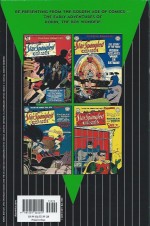
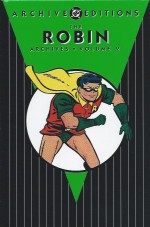
Robin Archives volume 2


By Bob Kane, Bill Finger, Win Mortimer, Jim Mooney & various (DC Comics)
ISBN: 978-1-4012-2625-1

Created by Bob Kane, Bill Finger & Jerry Robinson, Robin the Boy Wonder debuted in Detective Comics #38 (April 1940), which introduced a juvenile circus acrobat whose parents were murdered by a mob boss.

The story of how Batman took the orphaned Dick Grayson under his scalloped wing and trained him to fight crime has been told, retold and revised many times over the decades and still regularly undergoes tweaking to this day.

In the original comics continuity Grayson fought beside his mentor until 1970 when, as an indicator of those turbulent times, he flew the nest, becoming a Teen Wonder, college student and eventually leader of a team of fellow sidekicks and young justice seekers – the Teen Titans.

He graduated to his own solo spot in the back of Detective Comics from the end of the 1960s, alternating with Batgirl, and held a similar spot throughout the 1970s in Batman. The college-based wonder won a starring feature in the anthology comic Batman Family and a run of Giant Detective Comics Dollar Comics before becoming a star all over again in the 1980s as leader of the New Teen Titans, first in his original costumed identity and eventually in the reinvented guise of Nightwing. He even re-established a turbulent working relationship with his dark, driven and dangerous former senior partner.

Robin’s creation as a junior hero for younger readers to identify with inspired an incomprehensible number of costumed kid crusaders and Grayson continues in similar innovative vein for the older, more worldly-wise readership of America’s increasingly rebellious contemporary youth culture… but his star potential was first realised much earlier in his eternally young career…

From 1947 to 1952, (issues #65-130) Robin, the Boy Wonder had a solo series – and cover spot – in Star Spangled Comics at a time when the Golden Age superhero boom was fading, its gaudy bravos gradually being replaced by more traditional heroes in genres such as crime, westerns and boys’ adventure stories.

The exploits herein contained blended in-continuity action capers with more youth-oriented fare, frequently reducing adults Batman, Alfred and Commissioner Gordon to minor roles or rendering them entirely absent, allowing the kid crusader to display not just his physical accomplishments but also his brains, ingenuity and guts.

This second sturdy deluxe hardback Archive Edition re-presents more tales from Star Spangled #86-105 (covering November 1948 to June 1950) recapturing the dash, verve and universal appeal of one of fantasy literature’s greatest youth icons – albeit with a greater role for Batman – and opens with a fascinating Foreword by Bill Schelly who adds a layer of historical perspective and canny insight to the capers to come.

Every beautiful cover is included – although most of the later ones feature colonial-era frontier sensation Tomahawk – and are lovingly rendered by Jim Mooney, Win Mortimer, Charles Paris, Bob Kane and Fred Ray.

Although unverified, writers Bill Finger, Don Cameron, David Vern Reed and Jack Schiff are considered by most comics historians to be the authors of the stories in this volume and I’m going to happily concur here with that assessment until informed otherwise. Easier to ascertain is Mooney as penciller of almost all and inker of the majority, with other pencil and penmen credited as relevant…

The action-packed relatively carefree high jinks commence with Star Spangled Comics #86 and ‘The Barton Brothers!’ (inked by Win Mortimer, who remained until #90) as the Boy Wonder took up the lone vengeance trail to hunt down a trio of killers whose crime spree culminated in gunning down the mighty Batman, after which racketeer Benny Broot discovered he was related to the aristocracy and patterned all his subsequent vicious predations on medieval themes as ‘The Sinister Baron!’…

Robin went AWOL in defiance of his mentor to clear the father of a schoolmate in ‘The Man Batman Refused to Help!’ but his good intentions in clearing the obviously framed felon almost upset a cunning plan to catch the real culprit, after which SSC #89 saw ingenious hoods get hold of ‘The Batman’s Utility Belt!’ and start selling customised knock-offs until the Dynamic Duo crushed the racket.

The murder of a geologist sent the partners in peril out west in #90 to solve ‘The Mystery of Rancho Fear!’, going undercover as itinerant cowboys to deal with a gang of extremely contemporary claim-jumpers whilst, with Mooney now handling all the art-chores, issue #91 found the Boy Wonder instigating a perplexing puzzle to stump his senior partner in ‘A Birthday for Batman!’

It would have all been the perfect gift if not for the genuine gangsters who stumbled upon the anniversary antics…

The crimebusting kid played only a minor role in #92’s ‘Movie Hero No. 1’ wherein Batman surreptitiously replaced and eventually redeemed an action film actor who was a secret coward, but resumed star status in ‘The Riddle of the Sphinx!’ when a mute, masked mastermind seemingly murdered the Dark Knight and supplanted Gotham’s criminal top dog Red Mask.

Entertainment motifs abounded in those days and Star Spangled Comics #94 heralded ‘The End of Batman’ when the Dynamic Duo stumbled on a film company crating movie masterpieces tailored to the unique tastes and needs of America’s underworld after which greed and terror gripped the streets when a crook employed an ancient artefact to apparently transform objects – and even the Boy Wonder – to coldly glittering gold in #95’s ‘The Man with the Midas Touch!’

An indication of changing times and tastes came with the September 1949 Star Spangled as Fred Ray’s Tomahawk took over the cover-spot from #96 onwards whilst inside, Robin’s solo tale ‘The Boy Who Could Invent Miracles!’ was pencilled by Sheldon Moldoff with Mooney inking.

The story saw the kid crusader working alone whilst Batman recovered from gunshot wounds, encountering a well-meaning bright spark whose brilliantly conceived conceptions revolutionised the world – but almost exposed the masked avenger’s secret identity…

First seen in Star Spangled Comics #70, The Clock was an anonymous criminal time-and-motion expert who became the closest thing to an Archenemy Robin had. ‘The Man Who Stole Time!’ returned yet again in #97 (with Mooney back on full art), determined to publicly humiliate and crush his juvenile nemesis through a series of suitably-themed crimes… but with the same degree of success as always…

In #98 a classmate of Dick Grayson’s briefly became ‘Robin’s Rival!’ after devising a method of travelling on phone lines as Wireboy. Sadly his ingenuity was far in excess of his fighting ability or common sense and he was wisely convinced to retire, after which gambling gangster Sam Ferris broke jail and turned his obsession with turning circles into a campaign of ‘Crime on Wheels!’ until Robin set him straight again…

SSC #100 offered a powerfully moving tale as the Boy Wonder gave shelter to ‘The Killer-Dog of Gotham City!’ and proved that valiant Duke could shake off his criminal master’s training to become a boon to society.

In #101 High School elections were being elaborately suborned by ‘The Campaign Crooks!’ with a bizarre scheme to make an illicit buck from students, whilst in #102 ‘The Boy with Criminal Ears!’ developed super-hearing: making his life hell and ultimately bringing him to the attention of sadistic thugs with an eye to the main chance…

Star Spangled Comics #103 saw the introduction of ‘Roberta the Girl Wonder!’ as class polymath Mary Wills decided to follow her heart and try to catch the ideal boyfriend by becoming his crime-fighting rival, whilst #104’s ‘Born to Skate’ revealed how classmate Tommy Wells‘ freewheeling passion led Robin to a gang using a roller-skate factory to mask crimes as varied as smuggling, kidnapping and murder…

The wholesome all-ages action ends with a rewarding tale blending model-making and malfeasance as a guilt-wracked Robin comes to the aid of a police pilot who had been crippled – and worse – whilst assisting on a case.

As part of his rehabilitation the Junior Manhunter devises high-tech models for Bill Cooper‘s aviation club but when ‘The Disappearing Batplanes!’ are purloined by cunning air pirates the scene is set for a terrifying aerial showdown…

Beautifully illustrated, wittily scripted and captivatingly addictive, these rousingly traditional superhero escapades are a perfect antidote to teen-angst and the strident, overblown, self-absorbed whining of contemporary comicbook kids.

Fast-paced, infinitely inventive and ferociously fun, here are superb yarns no young-at-heart Fights ‘n’ Tights fan will want to miss…
© 1948, 1949, 1950, 2010 DC Comics. All Rights Reserved.
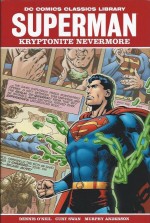
Superman: Kryptonite Nevermore – DC Comics Classic Library


By Denny O’Neil, Curt Swan, Murphy Anderson, Dick Giordano & various (DC Comics)
ISBN: 978-1-4012-2085-3

Superman is the comicbook crusader who started the whole genre and in the decades since his debut in 1938 has probably undertaken every kind of adventure imaginable. With this in mind it’s tempting and very rewarding to gather up whole swathes of his inventory and periodically re-present them in specific themed collections, such as this hardback commemoration of one his greatest extended adventures originally released just as comics fandom was becoming a powerful – if headless – lobbying force reshaping the industry to its own specialised desires .

When Julie Schwartz took over the editorial duties of the Man of Steel in 1970, he was expected to shake things up with nothing less than spectacular results. To that end he incorporated many key characters and events that were developing as part of fellow iconoclast Jack Kirby’s freshly unfolding “Fourth World”.

That bold experiment was a breathtaking tour de force of cosmic wonderment which introduced a staggering new universe to fans; instantly and permanently changing the way DC Comics were perceived and how the entire medium could be received.

Schwartz was simultaneously breathing fresh life into the all-powerful but moribund Superman franchise and his creative changes were just appearing in 1971. The new direction was also the vanguard and trigger for a wealth of controversial and socially challenging material unheard of since the feature’s earliest days: a wave of tales described as “relevant”…

Here the era and those changes are described and contextualised – after ‘A Word from the Publisher’ – in Paul Levitz’s ‘Introduction’ after which the first radical shift in Superman’s vast mythology begins to unfold.

With iconic covers by Neal Adams, Carmine Infantino and Murphy Anderson this titanic tome collects Superman #233-238 and #240-242, originally running from January to September 1971.

Almost all the groundbreaking extended epic was crafted by scripter Denny O’Neil, veteran illustrator Curt Swan and inker Murphy Anderson – although stand-in Dick Giordano inked #240. The willing and very public abandonment of super-villains, Kryptonian scenarios and otherworldly paraphernalia instantly revitalised the Man of Tomorrow and began a period of superb human-scaled stories which made him a “must-buy” character all over again.

The innovations began in ‘Superman Breaks Loose’ (Superman #233) when a government experiment to harness the energy of Kryptonite goes explosively wrong. Closely monitoring the test, the Action Ace is blasted across the desert surrounding the isolated lab but somehow survives the supposedly fatal radiation-bath.

In the aftermath reports start to filter in from all over Earth: every piece of the deadly green mineral has been transformed to common iron…

As he goes about his protective, preventative patrols, the liberated hero experiences an emotional high at the prospect of all the good he can do now and isn’t even phased when the Daily Planet‘s new owner Morgan Edge (a key Kirby character) shakes up his civilian life: summarily ejecting Clark Kent from the print game and overnight remaking him into a roving TV journalist…

Meanwhile in the deep desert, the site of his recent crashlanding offers a moment of deep foreboding when Superman’s irradiated imprint in the sand shockingly grows solid and shambles away in ghastly parody of life…

The resurgent suspense resumes in #234’s ‘How to Tame a Wild Volcano!’ as an out-of-control plantation owner refuses to let his indentured native workforce flee an imminent eruption.

Handicapped by misused international laws, the Man of Tomorrow can only fume helplessly as the UN rushes towards a diplomatic solution, but his anxiety is intensified when the sinister sand-thing inadvertently passes him and agonisingly drains him of his mighty powers.

Crashing to Earth in a turbulent squall storm the de-powered hero is attacked by bossman Boysie Harker‘s thugs and instantly responds to the foolish provocation, relying for a change on determination rather than overwhelming might to save the day…

The ‘Sinister Scream of the Devil’s Harp’ in #235 gave way to weirder ways (the industry was enjoying a periodic revival of interest in supernatural themes and stories) as mystery musician Ferlin Nyxly reveals that the secret of his impressive and ever-growing aptitudes is a archaic artefact which steals gifts, talents and even Superman’s abilities.

The Man of Steel is initially unaware of the drain as he’s trying to communicate with his eerily silent dusty doppelganger, but once Nyxly graduates to a full-on raving super-menace dubbed Pan, the taciturn homunculus unexpectedly joins its living template in trouncing the power thief…

The next issue offered a science fictional morality play as cherubic aliens seek Superman’s assistance in defeating a band of devils and rescuing Clark Kent’s best friends from Hell. However the ‘Planet of the Angels’ proves to be nothing of the kind and the Caped Kryptonian has to pull out all the stops to save Earth from a very real Armageddon…

Superman #237 has the Metropolis Marvel save an astronaut only to see him succumb to a madness-inducing mutative disease. After another destructive confrontation with the sand-thing further debilitates him, the harried hero is present when more mortals fall to the contagion and, believing himself the cause and an uncontrollable ‘Enemy of Earth’, considers quarantining himself to space…

As he is deciding Lois Lane stumbles into another lethal situation and Superman’s instinctive intervention seemingly confirms his earlier diagnosis, but another clash with his always-close sandy simulacrum on the edge of space heralds an incredible truth.

Pathetically debilitated, Superman nevertheless saves Lois and again meets the ever-more human creature. Now able to speak, it gives a chilling warning and the Man of Steel realises exactly what it is taking from him and what it might become…

A mere shadow of his former self, the Man of Tomorrow is unable to prevent a band of terrorists taking over a magma-tapping drilling rig and endangering the entire Earth in #238’s ‘Menace at 1000 Degrees’.

With Lois one of a number of hostages and the madmen threatening to detonate a nuke in the pipeline, he desperately begs his doppelganger to assist him, before its cold rejection forces the depleted hero to take the biggest gamble of his life…

Superman #239 was an all-reprint giant featuring the Action Ace in his incalculably all-powerful days – and thus not included here – but the much-reduced Caped Kryptonian returned in #240 (Giordano inks) to confront his own lessened state and seek a solution in ‘To Save a Superman’.

The trigger was his inability to extinguish a tenement fire and the wider world’s realisation that their unconquerable champion was now vulnerable and fallible…

Especially interested were his old enemies in the Anti-Superman Gang who immediately allocated all their resources to destroying their nemesis. After one particularly close call Clark is visited by an ancient Asian sage who somehow knows of his other identity and offers an unconventional solution…

From 1968 onwards superhero comics began to decline and publishers sought new ways to keep audience as tastes changed. Back then, the entire industry depended on newsstand sales, and if you weren’t popular, you died.

Editor Jack Miller, innovating illustrator Mike Sekowsky and relatively new scripter Denny O’Neil stepped up with a radical proposal and made a little bit of funnybook history with the only female superhero then in the marketplace.

They revealed that the almighty mystical Amazons were forced to leave our dimension, and took with them all their magic – including Wonder Woman‘s powers and all her weapons…

Reduced to mere humanity she opted to stay on Earth, assuming her own secret identity of Diana Prince, resolved to fighting injustice as a mortal. Tutored by blind Buddhist monk I Ching she trained as a martial artist, and quickly became a formidable enemy of contemporary evil.

Now this same I Ching claims to be able to repair Superman’s difficulties and dwindling might, but evil eyes are watching. Arriving clandestinely, Superman allows the adept to remove all his Kryptonian powers as a precursor to restoring them, allowing the A-S Gang the perfect opportunity to strike.

In the resultant melee the all too human hero triumphs in the hardest fight of his life…

The saga continues with “Swan-derson” back on the art in #241 as Superman overcomes a momentary but nearly overwhelming temptation to surrender his oppressive burden and lead a normal life…

Admonished and resolved he then submits to Ching’s resumed remedy ritual and finds his spirit soaring to where the sand-being lurks before explosively reclaiming the stolen powers. Leaving the golem a shattered husk, the phantom brings the awesome energies back to their true owner and a triumphant hero returns to saving the world…

Over the next few days however it becomes clear that something has gone wrong. The Man of Tomorrow has become arrogant, erratic and unpredictable, acting rashly, overreacting and even making stupid mistakes.

In her boutique Diana Prince discusses the problem with Ching and the sagacious teacher soon deduces that during his time of mere mortality whilst fighting the gangsters, Superman received a punishing blow to the head. Clearly it has resulted in brain injury that did not heal when his powers returned…

When the hero refuses to listen to them Diana and Ching have no choice but to track down the dying sand-thing and request its aid. Ching recognises it as a formless creature from the other-dimensional realm of Quarrm and listens to the amazing story of its entrance into our world. He also suggests a way for it to regain some of what it recently lost…

Superman meanwhile has blithely gone about his deranged business until savagely attacked by the possessed and animated statue of a Chinese war-demon. Also able to steal his power, this fugitive from Quarrm has no conscience and wears ‘The Shape of Fear!

The staggering saga concludes in ‘The Ultimate Battle’ as the Quarrmer briefly falls under the away of a brace of brutal petty thugs who put the again de-powered Superman into hospital…

Rushed into emergency surgery the Kryptonian fights for his life as the sand-thing fights the war-demon in the streets, but events take a bizarre turn once the latter drives off its foe and turns towards the hospital to finish off the flesh-&-blood Superman.

Recovering consciousness – and a portion of his power – the Metropolis Marvel battles the beast to a standstill but needs the aid of his silicon stand-in to drive the thing back beyond the pale…

With the immediate threat ended Man of Steel and Man of Sand face each other one last time, each determined to ensure his own existence no matter the cost…

The stunning conclusion was a brilliant stroke on the part of the creators, one which left Superman approximately half the man he used to be. Of course all too soon he returned to his unassailable, god-like power levels but never lost the tension-free smug assurance of his 1950s-1960s self.

A fresh approach, snappy dialogue and more terrestrial, human-scaled concerns to shade the outrageous implausible fantasy elements, wedded to gripping plots and sublime artwork make Kryptonite Nevermore! One of the very best Superman sagas ever created

Also included here is the iconic ‘House Ad’ by Swan & Vince Colletta which proclaimed the big change throughout the DC Universe and a thoughtful ‘Afterword by Denny O’Neil’ wraps things up with some insights and reminiscences every lover of the medium will appreciate.
© 1971, 2009 DC Comics. All Rights Reserved.

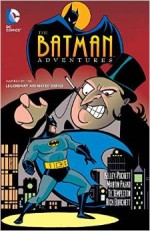
Batman Adventures volume 1


By Kelly Puckett, Marty Pasko, Ty Templeton, Brad Rader, Mike Parobeck & Rick Burchett (DC Comics)
ISBN: 978-1-4012-5229-8

Batman: The Animated Series aired in America from September 5th 1992 until September 15th 1995. The TV cartoon show – ostensibly for kids – was devised and designed by Paul Dini and Bruce Timm and quickly revolutionised the image of the Dark Knight, subsequently resulting in some of the absolute best comicbook tales in the Dark Knight’s decades-long publishing history as the series spawned a comicbook spinoff.

By employing a timeless visual tone (dubbed “Dark Deco”) the TV episodes mixed iconic elements from all iterations of the character and, without diluting the power and mood of the premise, perfectly honed the grim avenger and his team into a wholly accessible, thematically memorable form that the youngest of readers could enjoy, whilst adding shades of exuberance and style that only most devout and obsessive Batmaniac could possibly find fault with.

Naturally the comicbook version became a cast-iron certainty for collection in the newly-emergent trade paperback market which stormed into and out of shops in the mid-1990s. Now those titanic all-ages tales have been rediscovered and gathered here are the first ten titanic tales epics The Batman Adventures comicbook (first seen from October 1992 to July 1993) in a smashing, straightforward sampler of Fights ‘n’ Tights fantasy.

The moody magnificence action begins with ‘Penguin’s Big Score’ by Kelly Puckett, Ty Templeton & Rick Burchett. Each story was divided into three chapters and ‘Charm School Dropout!’ found the Bird of Ill Omen taking tips on how to rehabilitate his nefarious reputation from The Joker, whilst in ‘Top of the World, Ma!’ the Foul Fowl’s new standing as a philanthropist had all Gotham agog.

The sinister scheme was finally exposed by Batman in the climactic third act ‘Power of the Press’, but the hero had no idea that the real winner was the Clown Prince of Crime…

In issue #2, ‘Catwoman’s Killer Caper’ (Puckett, Templeton & Burchett) kicked off with a gem heist before, on Joker’s insistent urging, sultry Selina Kyle visited England’s Tower of London to swipe ‘The Family Jewels!’

In hot pursuit, the Gotham Gangbuster headed across The Pond to quell ‘Panic over Londontown’ and solved the mystery of a seemingly impossible theft in ‘Midnight Madness’ – but not before the Harlequin of Hate snatched the real prize…

All that crafty conniving culminated in ‘Joker’s Late-Night Lunacy!’ from #3 by Puckett, Templeton & Burchett, with Gotham’s airwaves hijacked and Commissioner Gordon kidnapped by the larcenous loon who made himself literally unmissable viewing in ‘A Star is Born!’

‘I Want My JTV!’ saw District Attorney Harvey Dent make it onto the Joker’s inhospitable guest list, but Batman was again one step ahead of the game and lowered the boom in the explosive ‘Flash in the Pan!’

Writer Marty Pasko and penciller Brad Rader joined inker Burchett for a gripping two-issue tale of terror guest starring Robin as ‘Riot Act’ describes ‘Panic in the Streets’ after a strange plague caused citizens to lose the ability to read.

Even with utter chaos gripping the city the Teen Wonder’s ‘Help on the Wing’ results in a huge step forward but when ‘Robin Takes a Fall’ the mastermind reveals himself and the drama intensifies in #4 with ‘Riot Act: Johnny Can’t Read!’ as the Scarecrow steps up his campaign to teach all the slackers of the modern world a harsh lesson….

However, the Dynamic Duo are well aware of the ‘Hi-Fi Hijinx’ at the root of the problem and, with the help of a repentant henchman, end the crisis in ‘Those Who Can’t Do!’

Next comes a crafty change of pace as Bruce Wayne is arrested for murder in ‘The Third Door!’ Crafted by Puckett, Rader & Burchett, the cunning locked-room mystery opens with ‘The Party’s Over’ as the prime suspect details the facts of the case to young Dick Grayson, before being locked up with a mob of dangerous thugs in ‘Crime and Punishment’, leaving the wonder kid to ferret out the real killer in tense conclusion ‘War and Peace’…

After a mere half-dozen superb stories the comicbook adventures took a step towards utter perfection when then-rising star Mike Parobeck assumed the pencilling duties.

Although his professional comics career was tragically short (1989 to 1996 when he died, aged 31, of complications from Type 1 Diabetes) Parobeck’s gracefully fluid, exuberant and magically kinetic fun-fuelled animation-inspired style revolutionised superhero action drawing and sparked a resurgence of kid-friendly comics and merchandise at DC and everywhere else in the comics publishing business.

His timeless tenure began with ‘Raging Lizard!’ which sees shady pro wrestler Killer Croc face a long dark night of the soul in ‘Requiem for a Mutant!’ when he’s scheduled to fight Masked Marauder – a grappler who had humiliated and broken him in their last match…

Batman meanwhile is searching for Chicago mobster Mandrake who’s planning on taking over Gotham by ousting reigning crime czar Rupert Thorne in ‘Eye of the Reptile!’ Naturally all those trajectories converge in the third act for a major throw-down ‘Under the Waterfront!’…

From issue #8 ‘Larceny, My Sweet’ begins with the hunt for an unstoppable thief who can ‘Break the Bank!’ with his bare hands, whilst TV reporter Summer Gleeson divides her time between chasing scoops and being romanced by a dashing stranger in ‘Love’s Lost Labours’. Sadly when the Gotham Gangbuster crushes the crime-wave he also exposes monstrous old muck menace Clayface and ends the affair of ‘Beauty and the Beast!’

In #9 ‘The Little Red Book’ everyone is chasing holds all Thorne’s dirty secrets and Commissioner Gordon is presiding over a ‘Gangster Boogie!’ With the cops and entire underworld looking to win out over ‘The Big Boss’, it takes all Batman’s energy and wits to bring the diary to DA Dent for the beginning of ‘Rupert’s Reckoning!’…

Wrapping up the all-ages action is‘The Last R?ddler Story’ which describes ‘Nygma’s Nadir!’ as the perpetually frustrated Prince of Puzzlers considers retirement. Dispirited and despondent because the Caped Crusader always solves his felonious games, the villain grudgingly accedes to his faithful hench-persons’ pleas to give it one more try in ‘Days of Wine and Riddles!’

How upset would Eddie Nygma be if he knew Batman isn’t even aware of him, absorbed as he is in apprehending infamous trio Mastermind, Mr. Nice and The Perfesser in ‘Triumph or Tragedy …?’

Breathtakingly written and iconically illustrated, these stripped-down rollercoaster-romps are quintessential Bat-magic, and this long-awaited compilation is a treasure every fan of any age and vintage will adore.

Pure, unadulterated delight!

© 1992, 1993, 2014 DC Comics. All Rights Reserved.

Superman: the World’s Finest Comics Archives volume 2


By Jerry Siegel, Don Cameron, Alvin Schwartz, Joe Samachson, Sam Citron, Ed Dobrotka, Ira Yarbrough, John Sikela, George Roussos, Stan Kaye & various (DC Comics)
ISBN: 978-1-4012-2470-7

The debut of Superman rapidly propelled National Comics to the forefront of their fledgling industry and in 1939 the company was licensed to produce a commemorative extra-length comicbook celebrating the opening of the New York World’s Fair. With the Man of Tomorrow prominently featured on the appropriately titled New York World’s Fair Comics, the premium also featured such four-colour stars as Zatara, Butch the Pup, Gingersnap and The Sandman.

The experiment generated another such titanic tome a year later, and since the prodigious card-covered 96 page anthologies were a tolerable hit, the editors were inclined to further test the waters through another oversized anthology starring only their own pantheon of characters with market-leaders Superman and Batman prominently featured.

The format was retained for a wholly company-owned, quarterly high-end package, retailing for the then hefty price of 15¢. Launching as World’s Best Comics #1 (Spring 1941), the book transformed into the somehow-deemed-classier World’s Finest Comics from #2, beginning a stellar 45 year run which only ended as part of the massive clear-out and decluttering exercise that was Crisis on Infinite Earths.

Until a cost-cutting exercise in 1954 reduced the page count, the first 70 issues of World’s Finest only saw Superman, Batman and Robin united on the covers. From #71 (cover-dated July) onwards, however, the three began a long-lived partnership that lasted more or less until the title was cancelled.

This deliciously deluxe hardback Archive edition collects the Action Ace’s solo exploits from World’s Finest Comics #16-32 (Winter 1945 to January/February 1948) in gleaming, seductive full-colour and also includes an incisive Foreword by fan, historian, and comics creator Jim Amash as well as the now-traditional creator biographies.

With stunning, eye-catching covers from Jack Burnley, Dick Sprang and Win Mortimer, this fabulously exuberant compendium opens with the regrettably anonymous ‘Music for the Masses!’ illustrated by Sam Citron & George Roussos wherein Clark Kent and Lois Lane help a starry-eyed hick songwriter escape the machinations of arch conman J. Wilbur Wolfingham to find stardom and true love, and World’s Finest Comics #17 provided thrills and spills in Don Cameron, Citron & Roussos’ ‘The Great Godini!’, wherein a reformed convict struggles to escape his notorious past whilst attempting to forge a career as a stage magician and escapologist…

‘The Junior Reporters!’, by Alvin Schwartz & Ed Dobrotka, sees a young newsboy prove his grit and integrity in a journalism competition, scoring his first major scoop by exposing the crooked schemes of his older brother’s gang, after which WFC #19 details Cameron & Ira Yarbrough’s ‘The Battle of the Zodiac!’ as Lois’ investigation of a shady swami leads to a spectacular, phantasmagorical clash between the Man of Steel and animatedly aggressive astrological embodiments.

After swiping advanced electronic and atomic components, creepy Winslow Schott becomes ‘The Toyman: Super-Scientist!’ (Cameron, Dobrotka & Stan Kaye), bedevilling the Metropolis Marvel with lethally devious devices, whilst from #21, ‘The Plane of Tomorrow!’ (Joe Samachson, Yarbrough & Roussos) finds Superman feeling uncharacteristically jealous when Lois seemingly switches her fickle attentions to a dashing jet designer targeted by a dodgy industrialist…

When Lois and Clark are despatched north to cover radium mining they uncover a strange mystery. Aging prospector John Borealis seems to be just a crazy old man handing out gold to his struggling fellows but he harbours a dangerous secret which draws out an army of bandits in ‘The Siege of Aurora Roost!’ (Schwartz, Yarbrough & Kaye in #22)…

When a handful of silent screen stars attempt a comeback they begin dotting the city with vast imitations of the Seven Wonders of the World. As the poorly built edifices begin to crumble, Superman steps in to save the day as ‘The Colossus of Metropolis!’ (Cameron, Yarbrough & Kaye from World’s Finest Comics #23), after which those artists delineate the again-anonymously-scripted ‘Impossible But True!’ wherein the presenter of a new TV show tells more and more blatant lies on camera.

What nobody knows is that poor Olga Olmstead is being fed false info by ruthless kidnappers and the Man of Tomorrow is biding his time until he can strike…

‘Mad Weather in Metropolis!’ from WFC #25 (Cameron, Yarbrough & Kaye) follows similar themes when Lois is appointed Daily Planet meteorologist and resentfully fabricates impossible forecasts which Superman makes come true. What she doesn’t know is that the Caped Crimebuster is using her potty prognostications to help out an ailing sporting goods store and catch a gang of racketeers…

Co-creator Jerry Siegel returned after war service in 1946 and ‘The Confessions of Superman!’ (art by John Sikela & Kaye) saw him on top form as the promise of a huge charity donation convinces the Man of Might to pen his (somewhat expurgated) autobiography and then have to prove to his publisher that he did indeed perform the feats he described…

World’s Finest #27’s featured ‘The Man who Out-Supered Superman!’ (Siegel, Sikela & Kaye again ) wherein downtrodden love sick schnook Nelson Swayne devised numerous sharp ways of outdoing the Man of Steel to win back his flighty, star-struck girlfriend…

Paramount mad scientist Lex Luthor returned with a “life-ray” to plunder and pillage Metropolis, galvanising a giant statue into becoming ‘Superman’s Super-Self!’ (Cameron, Yarbrough & Kaye) whilst ‘The Books that Couldn’t be Bound!’ (Schwartz, Sikela & Kaye in #29) found Clark and Lois following a harried bookbinder as he strove to fulfil three all-but-impossible commissions. Naturally the Caped Kryptonian also turned up to assist as a unique apprentice…

‘Sheriff Clark Kent’ (Cameron, Win Mortimer & Dobrotka) took the Man of Steel to the Wild West but it was his meek alter ego and feisty little lad Roaring Pete who caught the cunning crook ramrodding the fearsome Rockdust Bandits…

Sheer whimsy guided ‘Superman’s Super-Rival!’ (Schwartz, Yarbrough & Kaye) as punchy boxer Dan the Dunce swipes an experimental sedative which turns him into a mighty muscled mauler able to mangle the Man of Steel and seduce away his girl Lois… The last tale in this volume – from World’s Finest Comics #32, Fall 1944 – is ‘The Seventh Wonder of the World!’ by Siegel, Yarbrough & Kaye, astoundingly detailing how Superman briefly visits ancient Egypt just in time to smash an army of proto-Nazis, liberate Pharaoh’s slaves and complete the Pyramid of Cheops. All in a day’s work, really…

These blockbusting yarns provide a perfect snapshot of the Caped Kryptonian’s amazing development from unstoppable, outlaw social activist to trusted and omnipotent paragon of American virtues in timeless tales which have never lost their edge or their power to enthral and beguile.

This is raw comicbook wonderment at its most primal and perfect.
© 1945, 1946, 1947, 1948, 2009 DC Comics. All Rights Reserved.

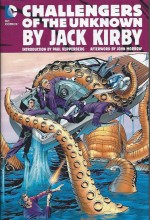
Challengers of the Unknown by Jack Kirby


By Jack Kirby, Dave Wood, France “Ed” Herron, Roz Kirby Wally Wood, Marvin Stein, George Klein & various (DC Comics)
ISBN: 978-1-4012-3474-4

The Challengers of the Unknown were a bridging concept between the fashionably all-American human trouble-shooters who monopolised comicbooks for most of the 1950s and the costumed mystery men who would soon return to take over the industry.

As superheroes were being revived in 1956 here was a super-team – the first of the Silver Age – with no powers, the most basic and utilitarian of costumes and the most dubious of motives – Suicide by Mystery.

Yet they were a huge hit and struck a chord that lasted for more than a decade before they finally died… only to rise again and yet again. The idea of them was stirring enough, but their initial execution made their success all but inevitable.

Jack Kirby was – and still is – the most important single influence in the history of American comics. There are quite rightly millions of words written (such as Paul Kupperberg’s enthusiastic Introduction and John Morrow’s pithy Afterword in this superb hardback compilation) about what the man has done and meant, and you should read those if you are at all interested in our medium.

I’m going to add a few words to that superabundance in this review of one of his best and most influential projects which, like so many others, he perfectly constructed before moving on, leaving highly competent but never quite as inspired talents to build upon.

When the comic industry suffered a witch-hunt-caused collapse in the mid-50’s, Kirby returned briefly to DC Comics where he worked on mystery tales and Green Arrow (then simply a back-up strip in Adventure Comics) whilst creating the newspaper strip Sky Masters of the Space Force.

He also re-packaged for Showcase (a try-out title that launched the careers of many DC mainstays) an original super-team concept that had been kicking around in his head since he and long-time collaborator Joe Simon had closed their innovative but unfortunately ill-timed Prize/Essankay/Mainline Comics ventures.

After years of working for others Simon & Kirby had finally established their own publishing company, producing comics with a much more sophisticated audience in mind, only to find themselves in a sales downturn and awash in public hysteria generated by an anti-comicbook pogrom spearheaded by US Senator Estes Kefauver and pop psychologist Dr. Frederic Wertham.

Simon quit the business for advertising, but Kirby soldiered on, taking his skills and ideas to a number of safer, if less experimental, companies.

The Challengers were four ordinary mortals; explorers and adventurers who walked away unscathed from a terrible plane crash. Already obviously what we now call “adrenaline junkies”, pilot Ace Morgan, diver Prof Haley, acrobat/mountaineer Red Ryan and wrestler Rocky Davis summarily decided that since they were all living on borrowed time, they would dedicate what remained of their lives to testing themselves and fate. They would risk their lives for Knowledge and, naturally, Justice.

The series launched with ‘The Secrets of the Sorcerer’s Box!’ in Showcase #6 (cover-dated January/February 1957 – so it was on spinner-racks and news-stands in time for Christmas 1956).

Kirby and scripter Dave Wood, plus inkers Marvin Stein and Jack’s wife Roz, crafted a creepily spectacular epic wherein the freshly introduced doom-chasers were hired by the duplicitous magician Morelian to open an ancient container holding otherworldly secrets and powers.

This initial story roars along with all the tension and wonder of the B-movie thrillers it emulates and Jack’s awesome drawing resonates with power and dynamism, which grew even greater for the sequel, a science fiction drama instigated after an alliance of leftover Nazi technologies and contemporary American criminality unleashes a terrible robotic monster.

‘Ultivac is Loose!’ (Showcase #7, March/April 1957) introduced a necessary standard appendage of the times and the B-movie genre in the form of brave, capable, brilliant and beautiful-when-she-took-her-labcoat-off boffin Dr. June Robbins, who became the fifth Challenger at a time when most comics females had returned to a subsidiary status in that so-conservative era.

The uncanny exploits then paused for a sales audit and the team didn’t reappear until Showcase #11 (November/December 1957) as The Flash and Lois Lane got their respective shots at the big time. When the Challengers returned it was in alien invasion epic ‘The Day the Earth Blew Up’.

Uniquely engaging comics realist Bruno Premiani (a former associate and employee from Kirby’s Prize Comics days) came aboard to ink a taut doomsday chiller that keeps readers on the edge of their seats even today, and by the time of their last Showcase issue (#12, January /February 1958) the Questing Quartet were preparing to move into their own title.

‘The Menace of the Ancient Vials’ was defused by the usual blend of daredevil heroics and inspired ingenuity (with the wonderful inking of George Klein adding subtle clarity to the tale of an international criminal who steals an ancient weapons cache that threatens the entire world if misused), but the biggest buzz would come two months later with the first issue of their own magazine.

Challengers of the Unknown #1 (May 1958) was written and drawn by Kirby, with Stein on inks and presented two complete stories plus an iconic introductory page that would become almost a signature logo for the team. ‘The Man Who Tampered with Infinity’ pitted the heroes against a renegade scientist whose cavalier dabbling loosed dreadful monsters from the beyond onto our defenceless planet, before the team were actually abducted by aliens in ‘The Human Pets’ and had to win their freedom and a rapid rocket-ship (sphere actually) ride home…

The same creators were responsible for both stories in the second issue. ‘The Traitorous Challenger’ is a monster mystery, with June returning to sabotage a mission in the Australian Outback for the very best reasons , after which ‘The Monster Maker’ finds the team seemingly helpless against super-criminal Roc who can conjure and animate solid objects out of his thoughts.

Issue #3 features ‘Secret of the Sorcerer’s Mirror’ with Roz Kirby and Marvin Stein again inking The King’s mesmerising pencils, as the fantastic foursome pursue a band of criminals whose magic looking-glass can locate deadly ancient weapons, but undoubtedly the most intriguing tale for fans and historians of the medium is ‘The Menace of the Invincible Challenger’ wherein team strongman Rocky Davis is rocketed into space only to crash back to Earth with strange, uncanny powers.

For years the obvious similarities of this group – and especially this adventure – to the origin of Marvel’s Fantastic Four (FF #1 was released in November 1961) have fuelled speculation. In all honesty I simply don’t care. They’re both similar but different and equally enjoyable so read both. In fact, read them all.

With #4 the series became artistically immaculate as the sheer brilliance of Wally Wood’s inking elevated the illustration to unparalleled heights. The scintillant sheen and limpid depth of Woody’s brushwork fostered an abiding authenticity in even the most outrageous of Kirby’s designs and the result is – even now – simply breathtaking.

‘The Wizard of Time’ is a full length masterpiece of the art form as a series of bizarre robberies lead the team to a scientist with a time-machine. By visiting oracles of the past rogue researcher Darius Tiko found a path to the far future. When he got there he intended robbing it blind, but the Challengers found a way to follow and foil him…

‘The Riddle of the Star-Stone’ (#5) is a full-length contemporary thriller, wherein an archaeologist’s assistant uncovers an alien tablet which bestows various super-powers when different gems are inserted into it. The exotic locales and non-stop action are intoxicating, but Kirby’s solid characterisation and ingenious writing are what make this such a compelling read.

Scripter Dave Wood returned for #6’s first story. ‘Captives of the Space Circus’ has the boys kidnapped from Earth to perform in a interplanetary show, but the evil ringmaster is promptly outfoxed and the team returns for France “Ed” Herron’s mystic saga ‘The Sorceress of Forbidden Valley’, wherein June becomes an amnesiac puppet in a power struggle between a fugitive gangster and a ruthless feudal potentate.

Issue #7 is another daring double-feature both scripted by Herron. First up is relatively straightforward alien-safari tale ‘The Beasts From Planet 9’, followed by a much more intriguing yarn on the ‘Isle of No Return’ as the team face a scientific bandit whose shrinking ray has left them all mouse-sized.

Issue #8 (July 1959) offered a magnificent finale to a superb run as Kirby & Wally Wood went out in stunning style with a brace of gripping thrillers – both of which introduced menaces who would return to bedevil the team in future tales.

‘The Man Who Stole the Future’ by Dave Wood, Kirby and the unrelated Wally Wood, introduces Drabny – an evil mastermind who steals mystic artefacts and conquers a small nation before the team dethrones him. This is a tale of spectacular battles and uncharacteristic, if welcome, comedy, but the real gem here is space opera tour-de-force ‘Prisoners of the Robot Planet’, (probably) written by Kirby & Herron. Petitioned by a desperate alien, the Challs travel to his distant world to liberate the population from bondage to their own robotic servants, who have risen in revolt under the command of the fearsome autonomous automaton, Kra…

These are classic adventures, told in a classical manner. Kirby developed a brilliantly feasible concept with which to work and heroically archetypical characters. He then tapped into an astounding blend of genres to display their talents and courage in unforgettable exploits that informed and affected every team comic that followed – and certainly influenced his successive landmark triumphs with Stan Lee.

But then Jack was gone…

The Challengers would follow the Kirby model until cancellation in 1970, but due to a dispute with Editor Jack Schiff the writer/artist resigned at the height of his powers. The Kirby magic was impossible to match, but as with all The King’s creations, every element was in place for the successors to run with. Challengers of the Unknown #9 (September 1959) saw an increase in the fantasy elements favoured by Schiff, and perhaps an easing of the subtle tension that marked previous issues (Comics Historians take note: the Challs were bitching, bickering and snarling at each other years before Marvel’s Cosmic Quartet ever boarded that fateful rocket-ship).

But that’s meat for another different book…

Challengers of the Unknown is sheer escapist wonderment, and no fan of the medium should miss the graphic exploits of these perfect adventurers in that ideal setting of not-so-long-ago in a simpler, better galaxy than ours.

© 1957, 1958, 1959, 2004, 2012 DC Comics. All Rights Reserved

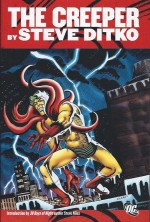
The Creeper by Steve Ditko


By Ditko, Don Segall, Denny O’Neil/Sergius O’Shaughnessy, Michael Fleisher, Mike Peppe, Jack Sparling & various (DC Comics)
ISBN: 978-1-4012-2592-6

Steve Ditko is one of our industry’s greatest talents and amongst America’s least lauded. His fervent desire has always been to just get on with his job, tell stories the best way he can and let his work speak for him.

Whilst the noblest of aspirations, that attitude has been and will always be a minor consideration – or even actual stumbling block – for the commercial interests which for so long controlled all comics production and still exert an overwhelming influence upon the mainstream bulk of Funnybook output.

After Ditko’s legendary disagreements with Stan Lee led to his quitting Marvel – where his groundbreaking work made the reclusive genius (at least in comicbook terms) a household name – he found work at Warren Comics and resumed his long association with Charlton Comics.

That company’s laissez faire editorial attitudes had always offered him the most creative freedom, if not greatest financial reward, but in 1968 their wünderkind editor Dick Giordano was poached by the rapidly-slipping industry leader and he took some of his bullpen of key creators with him to DC Comics.

Whilst Jim Aparo, Steve Skeates, Frank McLaughlin and Denny O’Neil found a new and regular home, Ditko began only a sporadic – if phenomenally productive – association with DC.

It was during this heady if unsettled period that the first strips derived from Ditko’s interpretation of the Objectivist philosophy of novelist Ayn Rand began appearing in fanzines and independent press publications like Witzend and The Collector, whilst for the “over-ground” publishing colossus he devised a brace of cult classics with The Hawk and the Dove and the superbly captivating Beware The Creeper.

Later efforts would include Shade, the Changing Man, Stalker and The Odd Man plus truly unique interpretations of Man-Bat, the Legion of Super-Heroes and many more…

The auteur’s comings and goings also allowed him to revisit past triumphs and none more so than with The Creeper who kept periodically popping up like a mad, bad penny. This superb hardcover compilation gleefully gathers every Ditko-drafted and -delineated Creeper classic from a delirious decade for your delight, collecting tales from Showcase #73, Beware the Creeper #1-6, 1st Issue Special #7, World’s Finest Comics #249-255 and Cancelled Comics Cavalcade #2/Showcase #106 (collectively spanning March/April 1968 to February/March 1979), and this spooky superhero spectacle kicks off with an effusive Introduction by Steve (30 Days of Night) Niles.

Ditko’s bizarre DC visions first exploded off the newsstands in try-out title Showcase #73 and ‘The Coming of the Creeper!!’, with veteran comics and TV scripter Don Segall putting the words to Ditko’s plot and illustrations.

The moodily macabre tale introduces suicidally-outspoken TV host Jack Ryder whose attitude to his show’s sponsors and cronies loses him his cushy job. His brazen attitude does impress the network’s security chief Bill Brane however and the gruff oldster offers him a job as an investigator and occasional bodyguard.

Jack’s first case involves tracking down recent Soviet defector Professor Yatz who has gone missing. The CIA suspect has been abducted by gangster Angel Devilin and sold to Red agent Major Smej…

Displaying a natural affinity for detective work, Ryder tracks a lead to Devilin’s grand house and interrupts a costume party designed as a cover to make the trade. Promptly kicked out by thugs Ryder heads for a costume shop but can only find a box of garish odds and ends and lots of makeup.

Kitted himself out in strange psychedelic attire, he breaks back in but is caught and stabbed before being thrown into a cell with the missing Yatz. The scientist is also grievously wounded but is determined to keep his inventions out of the hands of evil men.

Those creations are an instant healing serum and a Molecular Transmuter, able to shunt whatever a person is wearing or carrying into and out of our universe. A fully equipped army could enter a country as harmless tourists and materialise a complete armoury before launching sneak attacks…

To preserve them Yatz buries the Transmuter inside Ryder’s knife wound before injecting him with the untested serum. The effect is instantaneous and doesn’t even leave a scar. He’s also faster, stronger and more agile…

When Jack presses a handheld activator, he is instantly naked and experimentation shows that he can make his motley costume appear and disappear just by pushing a button. Of course now, whenever it is activated, neither makeup nor wig, bodystocking, boots or gloves will come off. It’s like the crazy outfit has become a second skin…

When the gangsters come for their captives, Yatz is burning his notes and in the fracas that follows catches a fatal bullet. Furious, guilt-ridden and strangely euphoric, Ryder goes after the thugs and spies but by the time the cops arrive finds himself – or at least his canary yellow alter ego – blamed by Devilin for the chaos and even burglary.

The mobster has even given him a name… The Creeper…

As soon as the furore dies down the vengeful Ryder returns to exact justice for the professor and discovers his uncanny physical prowess and macabre, incessant unnerving laughter give him an unbeatable edge and win him a supernatural reputation…

After that single issue the haunting hero hurtled straight into his own bimonthly series and Beware the Creeper #1 debuted with a May/June cover-date.

Behind one of the most evocative covers of the decade – or ever – ‘Where Lurks the Menace?’ (scripted by Denny O’Neil under his occasional pen-name Sergius O’Shaughnessy) found Ryder and the Creeper hunting an acrobatic killer beating to death a number of shady types in a savage effort to take over the city’s gangs.

Jack’s relentless pursuit of the terror and careful piecing together of many disparate clues to his identity was only hindered by the introduction of publicity-hungry and obnoxious glamour-puss ‘Vera Sweet.

The TV weathergirl thought she had the right to monopolise Ryder’s time and attention even when he was ducking fists and bullets…

The remainder of the run featured a classic duel of opposites as a chameleonic criminal mastermind insinuated himself into the lives of Jack and the Brane bunch. It all began with ‘The Many Faces of Proteus!’ in issue #2 (Ditko & O’Shaughnessy) as a pompous do-gooder’s TV campaign against The Creeper is curtailed when the Golden Grotesque shows up at the studio throwing bombs.

Caught in the blast is the baffled and battered Jack Ryder and he’s even more bewildered when Bill Brane informs him that a tip has come in confirming the Creeper is working for gambler gangboss Legs Larsen…

Dodging Vera, whose latest scheme involves a fake engagement, the real Creeper reaches Larsen’s gaming house in time to see a faceless man put a bullet into the prime suspect. In the ensuing panic the Laughing Terror transforms back into Ryder and strolls out carrying Larsen’s files, unaware that the faceless man is watching him leave and putting a few clues together himself…

The documents reveal that a lone player has been slowly consolidating a hold on the city’s underworld but discloses no concrete information, so the Creeper goes on a very public rampage against assorted criminals in hope of drawing “Proteus” out. The gambit works perfectly as a number of close friends try to kill Ryder, but only after he fends off a flamethrower-wielding Vera in his own apartment does the Creeper realise that Proteus is far more than a madman with a makeup kit…

A spectacular rooftop duel ends in a collapsed building and the apparent end of the protean plunderer, but there’s no body to be found in the rubble…

Beware the Creeper #3 finds our outré hero tearing the city’s thugs apart looking for Proteus but his one man spook-show is curtailed when Brane sends Jack Ryder to find Vera.

Little Miss Wonderful was determined to be the first to interview an island society that has been cut off from the world for over a century, but all contact has been lost since she arrived. Tracking her to ‘The Isle of Fear’ Jack finds her in the hands of a death cult.

More important to Ryder though is the fact that the Supreme One who leads the maniacs is actually a top criminal offering sanctuary to the Proteus flunkies he’d been scouring the city for…

Back in civilisation again, ‘Which Face Hides My Enemy?’ sees Ryder expose High Society guru and criminal mesmerist Yogi Birzerk‘s unsuspected connection to Proteus. The cops drive the Creeper away before getting anything from the charlatan and when he dejectedly returns home Jack walks into an explosive booby trap in his new apartment.

The “warning” from Proteus heralds the arrival of Asian troubleshooters Bulldog Bird and Sumo who claim to be also pursuing the faceless villain. They reveal he was a high-ranking member of the government of Offalia who stole a chemical which alters the molecular composition of flesh before suggesting they all team up…

Heading back to Bizerk’s place it soon becomes clear that they are actually working for Proteus and that the faceless fiend knows Ryder is the Creeper…

With #5 inker Mike Peppe joins Ditko and O’Neil as the epic swings into high gear with ‘The Color of Rain is Death!’ Proteus makes his closing moves, attacking many of Jack’s associates and framing him again whilst preparing for the criminal masterstroke which will win him much of the city’s wealth.

Luring the Creeper into the sewers just as a major storm threatens to deluge the city, the face-shifter reveals a scheme to blow up the drainage system and cause a massive flood. After a brutal battle he also leaves The Creeper tied to a grating to drown…

The stunning saga closed with the final issue of Beware the Creeper #6 (March/April 1969), by which time Ditko had all but abandoned his creation. ‘A Time to Die’ saw everyman artist Jack Sparling pencil most of the story as the Creeper escapes his death-trap, deciphers the wily villain’s actual game-plan and delivers a crushing final defeat.

It was fun and thrilling and – unlike many series which folded at that troubled time – even provided an actual conclusion, but it somehow it wasn’t satisfactory and it wasn’t what we wanted.

This was a time when superheroes went into a steep decline with supernatural and genre material rapidly gaining prominence throughout the industry. With Fights ‘n’ Tights comics folding all over, Ditko concentrated again on Charlton’s mystery line, the occasional horror piece for Warren and his own projects…

In the years his own comic was dormant, the Creeper enjoyed many guest shots in other comics and it was established that the city he prowled was in fact Gotham. When Ditko returned to DC in the mid 1970s, tryout series 1st Issue Special was alternating new concepts with revivals of old characters.

Issue #7 (October 1975) gave the quirky crusader another shot at stardom in ‘Menace of the Human Firefly’ (written by Michael Fleisher, and inked by Mike Royer) and saw restored TV journalist Jack Ryder inspecting the fantastic felons in Gotham Penitentiary just as lifer Garfield Lynns broke jail to resume his interrupted costumed career as the master of lighting effects…

By the time the rogue’s brief but brilliant rampage was over the Creeper had discovered something extremely disturbing about his own ever-evolving abilities…

The story wasn’t enough to restart the rollercoaster but a few years later DC instituted a policy of giant-sized anthologies and the extra page counts allowed a number of lesser lights to secure back-up slots.

For World’s Finest Comics #249-255 (February/March 1978-February/March 1979) Ditko was invited to produce a series of 8-page vignettes starring his most iconic DC creation. This time he wrote as well as illustrated and the results are pure eccentric excellence.

The sequence began with ‘Moon Lady and the Monster’ as Jack Ryder – once again a security operative for Cosmic Broadcasting Network – had to ferret out a grotesque brute stalking a late night horror-movie hostess after which #250’s ‘Return of the Past’ reprised the origin as Angel Devilin got out of jail and went looking for revenge…

In WFC #251 ‘The Disruptor’ proved to be a blackmailer attempting to extort CBN by sabotaging programmes whilst ‘The Keeper of Secrets is Death!’ in the next issue followed the tragic murder of Dr. Joanne Russell who was accused on a sensationalistic TV of knowing the Creeper’s secret identity…

In #253 ‘The Wrecker’ was an actual grudge-bearing mad scientist who had built a most unconventional robot whilst ‘Beware Mr. Wrinkles!’ in #254 saw a villain with the power to age his victims. Neither, however, were a match for the tireless, spring-heeled Technicolor Tornado dubbed the Creeper and his too-short return culminated in a lethal duel with a knife throwing jewel thief in #255’s ‘Furious Fran and the Dagger Lady’…

Until this volume that was it for Ditko devotees and Creeper collectors, but as the final delight in this splendid hardback colour compendium reveals, there was more. An ill-considered expansion was followed by the infamous “DC Implosion” in 1978 where a number of titles were shut down or cancelled before release. One of those was Showcase #106 which would have featured a new all-Ditko Creeper tale.

It was collected – with a number of other lost treasures – in a copyright-securing minimum print run, internal publication entitled Cancelled Comics Cavalcade. Here, from #2 (1978) and presented in stark black & white, fans can see the Garish Gallant’s last Ditko-devised hurrah as ‘Enter Dr. Storme’ pits the Creeper (and cameo crimebuster The Odd Man) against a deranged aweatherman turned climactic conqueror with the power to manipulate the elements.

Fast, Fight-filled, furiously fun and devastatingly dynamic, Beware the Creeper was a high-point in skewed superhero sagas and this is a compendium no lovers of the genre can do without.
© 1968, 1969, 1975, 1978, 1979, 2010 DC Comics. All Rights Reserved.
Batman: the Dark Knight Archives volume 6


By Bob Kane, Don Cameron, Bill Finger, Jack Schiff, Alvin Schwartz, Joe Greene, Mort Weisinger, Dick Sprang, Jack Burnley, Jerry Robinson & various (DC Comics)
ISBN: 978-1-4012-2547-6

Debuting a year after Superman, “The Bat-Man” (and latterly Robin, the Boy Wonder) cemented DC/National Comics as the market frontrunner and conceptual leader of the burgeoning comicbook industry.

Having established the parameters of the metahuman in their Man of Tomorrow, the physical mortal perfection and dashing derring-do of the strictly human Dynamic Duo rapidly became the swashbuckling benchmark by which all other four-colour crimebusters were judged.

This sixth lavish hardback Archive Edition volume covers Batman #21-25 and again features exploits from the height of World War II – specifically February/March 1944 to October/November 1944.

These Golden Age greats are some of the finest tales in Batman’s decades-long canon, as lead writers Bill Finger and Don Cameron, supplemented by Joe Samachson, Jack Schiff, Alvin Schwartz, Joe Greene and Mort Weisinger, pushed the boundaries of the adventure medium whilst graphic genius Dick Sprang slowly superseded and surpassed Bob Kane and Jack Burnley, making the feature uniquely his own and keeping the Peerless Pair at the forefront of a vast army of superhero successes.

The sheer creativity exhibited in these adventures proved that the ever-expanding band of creators responsible for producing the bi-monthly adventures of the Dark Knight were hitting an artistic peak which only stellar stable-mate Superman and Fawcett’s Captain Marvel were able to equal or even approach.

Moreover with WWII finally turning in the Good Guys’ favour, the escapades became upbeat and more wide-ranging…

Following a Foreword from former bat-scribe Alvin Schwartz, the Home Front began to offer a brighter – but still crime-ridden – perspective with Batman #21, an all-Sprang art extravaganza which opened with the slick Schiff-scripted tale ‘The Streamlined Rustlers’ which saw the Caped Crusaders way out West solving a devilish mystery and crushing a gang of beef-stealing black-market black hats.

Cameron then described the antics of murderous big city mobster Chopper Gant who conned a military historian into planning his capers, briefly bamboozling Batman and Robin with his warlike ‘Blitzkrieg Bandits!’ whilst Schwartz penned the delightfully convoluted romp ‘His Lordship’s Double’ which sees newly dapper, slim-line manservant Alfred asked to impersonate a purportedly crowd-shy aristocratic inventor… only to become the victim in a nasty scheme to secure the true toff’s latest invention…

It all culminates with ‘The Three Eccentrics’ (written by Joe Greene), which details the wily Penguin‘s schemes to empty the coffers of a trio of Gotham’s wealthiest misfits. The fiendish foray founders because he fails to take into account the time-sensitivity of his information and the dogged grit and ingenuity of the Gotham Gangbusters…

Batman #22 leads with ‘The Duped Domestics!’ by Schwartz, Bob Kane & Jerry Robinson wherein a select number of Gotham’s butlers are targeted by a sultry seductress looking for easy inroads to swanky houses. Despite being an old enemy of Batman’s, “Belinda” more than meets her match when Alfred becomes her next patsy…

When the little rich boy secretly takes a menial job, his generous guardian is rightly baffled but after ‘Dick Grayson, Telegraph Boy!’ (Finger, Burney & Robinson) exposes a criminal enterprise centred around Gotham Observatory, the method of his madness soon becomes clear.

Next a new solo series debuted as Mort Weisinger & Robinson launched ‘The Adventures of Alfred’ with ‘Conversational Clue!’ wherein Batman’s batman misapprehends an overheard word at the library and stumbles into a safecracking gang.

The issue concludes with ‘The Cavalier Rides Again!’ (Finger, Burnley & Charles Paris) as the Dashing Desperado mystifyingly begins bagging cheap imitations rather than authentic booty in his ongoing campaign to best the Batman…

The Joker led in issue #23 with Finger, Sprang & Gene McDonald’s eccentric thriller ‘The Upside Down Crimes!’ wherein the Harlequin of Hate turns the town topsy-turvy in his latest series of looting larcenies after which smitten Dick’s bold endeavours save classmate and ‘Damsel in Distress!’ (Cameron & Sprang) Marjory Davenport and her dad from gangster kidnappers.

Unfortunately for him, she soon has her head turned by flamboyant Robin and the Boy Wonder becomes his own rival…

Anonymously scripted but again rendered by Jerry Robinson, ‘The Adventures of Alfred: Borrowed Butler!’ found the domestic detective loaned out by Bruce Wayne to a snooty neighbour and accidentally uncovering an insider’s scheme to burgle the place.

Wrapping up this outing is another fact-packed “Police Division Story” with Batman and Robin joining the Royal Canadian Mounted Police to stop a vicious ring of fur bandits who have decided to forego robbing big city stores. Instead, the ‘Pelt Plunderers!’ (Joe Samachson & Sprang) head due north to steal directly from the trappers…

Batman #24 added a smidgen of science fiction flair and a dash of sheer whimsy to the regular mix as ‘It Happened in Rome’ (Samachson & Sprang) introduces Professor Carter Nichols who devises a method of time-travel which depends on deep hypnosis.

His first subjects are old friend Bruce Wayne and his ward who both wing back centuries for a sightseeing trip and end up saving a charioteer from race-fixers as Batmanus and Robin…

Bruce also plays a pivotal role in ‘Convict Cargo!’ (Cameron & Sprang), pretending to be an embezzler in order to expose a ring of thugs offering perfect getaways to Gotham’s white-collar criminals. Happily when the villain vacations turn out to be one-way trips, Batman and Robin are on hand to mop up the pirates responsible.

Cameron & Robinson then describe how ‘The Adventures of Alfred: Police Line-Up!’ leads the bewildered butler into trailing the wrong crook but still nabbing a mob of bad eggs before portly purveyors of peril Tweedledum and Tweedledee connive their way into the position of ‘The Mayors of Yonville!’

Their flagrant abuse of civic power dumps the Dynamic Duo into jail but still isn’t enough to keep their goldmine scam from coming to light once the heroes bust out…

This superb hardback compendium concludes with Batman #25 as opening shot ‘Knights of Knavery’ (Cameron, Burnley& Robinson) sees arch rivals Penguin and Joker join forces to steal the world’s biggest emerald and outwit all opposition, before falling foul of their own mistrust and arrogance once the Dark Knight puts his own thinking cap on.

‘The Sheik of Gotham City!’ (Schwartz, Burnley & Robinson) then sees an Arabian refugee working as a cab driver in Gotham restored to rule his usurped desert kingdom after our heroes foil an assassination attempt, whilst ‘The Adventures of Alfred: The Mesmerised Manhunter!’ (Cameron & Robinson) sees the off-duty domestic the plaything of a stage magician whilst simultaneously foiling a box office heist.

The action and suspense wrap up in spectacular style as Finger, Burnley& Robinson detail a saga of sabotage and redemption when the Dynamic Duo join the rough-and-ready electrical engineers known as ‘The Kilowatt Cowboys!’

As if the job of bringing the nation’s newest hydroelectric dam on line is not dangerous enough and a plague of thefts by murderous copper thieves isn’t cutting into productivity, most of Batman’s time is spent stopping rival wire men Jack and Alec from killing each other…

Accompanied by a stunning and iconic Sprang cover gallery and full creator ‘Biographies’, this sublime selection of classic comicbook action is a magnificent ride on the Wayback Machine to a time of high drama, low cunning and breathtaking excitement
© 1944, 2009 DC Comics. All Rights Reserved.

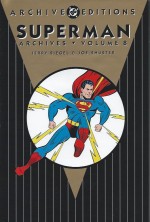
Superman Archives volume 8


By Jerry Siegel, Joe Shuster, Don Cameron, Bill Finger, Alvin Schwartz, Whitney Ellsworth, Ed Dobrotka, Sam Citron, Ira Yarbrough, George Roussos, Jack Burnley, Wayne Boring & various (DC Comics)
ISBN: 978-1-4012-2885-9

Today’s American comicbook industry – if it still existed at all – would have been utterly unrecognisable to us without Superman. His unprecedented invention and adoption by a desperate and joy-starved generation quite literally gave birth to a genre if not an actual art form.

Spawning an impossible army of imitators and variations, within three years of his 1938 debut, the intoxicating blend of eye-popping action and social wish-fulfilment which hallmarked the early Man of Steel had grown to encompass cops-and-robbers crime-busting, socially reforming dramas, science fiction, fantasy, whimsical comedy and, once the war in Europe and the East embroiled America, patriotic relevance for a host of gods, heroes and monsters, all dedicated to profit through exuberant, eye-popping excess and explosive derring-do.

In comicbook terms at least Superman was master of the world, having already utterly changed the shape of the fledgling industry. There was the phenomenally popular newspaper strip, a thrice-weekly radio serial, games, toys, as much global syndication as the war would allow and the perennially re-run Fleischer studio’s astounding animated cartoons.

Despite all the years that have passed since then, I – and so many others – still believe that superhero comics were never more apt or effective than when they were whole-heartedly combating the agents of Fascism (and yes by heck, even the dirty, doggone, Reds-Under-the-Beds Commies, who took their place in the 1960s too!) with mysterious masked marvel men in compulsive, improbable short, sharp exploits,

The most evocative and breathtaking moments of the genre always seem to occur as those gaudy gladiators soundly thrashed – and please forgive the offensive contemporary colloquialism – “Nips, Nazis and Reds”. However, even in those dark days long-ago, the young and enthusiastic creators were wise enough to augment their tales of espionage and invasion with a range of gentler, more whimsical four-colour fare. By the time of the sagas in this superb seventh Superman full-colour hardcover Archive edition – re-presenting #30-35 (September/October 1944 to July/August 1944) of the Man of Tomorrow’s solo title – the apprehension of the early war years had been replaced with eager anticipation as tyranny’s infernal forces were being rolled back on every Front.

Superman was the premier, vibrant, vital role model whose startling abilities and take-charge, can-do attitude had won the hearts of the public at home and the troops across the war-torn world.

Now, although the shooting was all but over, stirring, morale-boosting covers and stories were being phased out in favour of gentler and even purely comedic themes.

Following a funny and informative Foreword: “Look! Up in the Sky! It’s a Bird… it’s a Plane…it’s – An Imp?’ by cartoonist Evan Dorkin discussing the advent of super-foes, social change and a certain fifth dimensional jester, the action-laced whimsy begins with ‘Superman Alias Superman!’ by Don Cameron, Ira Yarbrough & Stan Kaye wherein lovelorn Clark Kent takes romantic advice from office-boy Jimmy Olsen and impersonates his own alter ego to impress Lois.

The doomed imposture is further complicated because his scathing, scoop-obsessed colleague is fully fixated on catching high society bandit Silver Foxx and has no time for Clark’s insecurities and idiocies…

The go-getting journalist was always too busy for romance back then, as can be seen in ‘Lois Lane, Girl Reporter: The Arch-Swindler’ by Cameron, Ed Dobrotka & George Roussos. In those turbulent times the interpretation of the “plucky news-hen” was far less demeaning than the post-war sneaky minx who was so popular in the late 1950s and 1960s.

Lois might have been ambitious and life-threateningly precipitate, but it was always to advance her own career, help underdogs and put bad guys away, not trap a man into marriage.

Her Superman-free exploits began in #28: a succession of 4-page vignettes offering breathless, fast-paced, screwball comedy-thrillers. In this example, spurred on by Clark’s teasing, she tracks down, is captured by and spectacularly turns the tables on murderous conman Jack Dover…

Back with the star feature, Bill Finger, Yarbrough & Roussos revealed how an ancient prophecy turns the Action Ace into ‘The King’s Substitute’ as centuries ago the ruler of tiny nation Poltavia learns that a Superman will one day deliver his country from bondage, restore a true heir and offer the people a wonderful thing called democracy…

Jerry Siegel, Joe Shuster & Yarbrough then herald the start of a new kind of adventure as ‘The Mysterious Mr. Mxyztplk’ debuts. An utterly intoxicating daffy romp introduced the 5th dimensional imp who would henceforward periodically test the Man of Steel’s ingenuity and patience in a still-hilarious perfect example of the lighter side of super-heroics.

Mxyztplk (later anglicised to Mxyzptlk, presumably to make it easier to spell?) became a cornerstone of the Superman mythos: an insufferable pixie against whom all Superman’s strength and power were useless. From then on brains were going to be as important as brawn as frustration became the Man of Steel’s first real weakness…

Superman #31 opens with crime-thriller ‘Tune Up Time for Crime’ (Finger, Sam Citron Roussos) as crooks with a deadly new sonic weapon turn out to have the scientific backing of the Metropolis’ Marvel’s oldest enemy, after which arch-whimsy reappears in ‘A Dog’s Tale’ (Finger, Citron & Roussos) when scruffy mutt Flip proudly tells his canine pals how he helped Superman crack a dognapping racket…

Cameron & Dobrotka then reveal how a gang of jewel thieves prove no match for dumb luck and journalistic moxie in ‘Lois Lane, Girl Reporter: The Aces Doonan Gang’ before Finger, Citron & Roussos close out the issue with a trip to the museum as ‘The Treasure House of History!’ finds Superman saving a noble institution from mismanagement, skulduggery and even closure whilst discovering a lost Mayan city…

In #32 ‘Superman’s Search for Clark Kent!’ (Alvin Schwartz, Dobrotka & Roussos) finds the Action Ace an invincible amnesiac after volunteering for a scientific trial and forced to track down his own other identity whilst ‘Crime on Skis!!’ (Finger, Dobrotka & Roussos) sees the restored hero debunk a malign mythical bird as no more than a cover for more pedestrian killers plaguing a ski resort.

‘Lois Lane, Girl Reporter: Monkey Business’ (Whitney Ellsworth, Dobrotka & Roussos) is another splendidly frothy concoction describing how a ventriloquist at the zoo puts the jaunty journo on the trail of a pack of pickpockets, after which the terrible Toyman resurfaces to plague Metropolis, plundering wealthy antique collectors in search of a treasure hidden since the French Revolution in ‘Toys of Treachery!’ (Cameron, Dobrotka & Roussos).

Superman #33 opened with the hero following foolish Lois into ‘Dimensions of Danger!’ (Cameron, Yarbrough & Roussos) after she road-tested a Mxyztplk spell and ended up stuck in his home realm of Zrfff. Once there the Caped Kryptonian had the opportunity to do a little mischief-making of his own…

With art by Yarbrough & Roussos ‘The Country Doctor!’ is the kind of socially aware redemptive tale Bill Finger was a master of and saw Clark Kent stuck in homey little Middletown watching aging Dr. David Brown make a difference – but little money – ministering to the poor souls around him.

The physician’s only regret was a son who preferred big city glamour cases and big city fees, but then something quite tragic happened…

Ellsworth & Dobrotka’s ‘Lois Lane, Girl Reporter: The Purloined Piggy Bank’ found her being pranked by (male) cops before turning the tables on them and crushing a crime conspiracy. The issue ends with classic mystery yarn ‘The Compass Points to Murder!’ (Finger, Yarbrough & Roussos) finding the Action Ace darting to the four corners of the globe in search of a killer who believed he’d successfully silenced a shipping fleet magnate but had left one telling clue behind…

In #25 Mort Weisinger & Fred Ray’s ‘I Sustain the Wings!’ played a crucial part in America’s attempt to address a shortfall in vital services recruitment – a genuine problem at this time in our real world – and created an instant comics classic.

Artistically Superman #34 is an all Citron/Roussos affair, whose opening shot attempted to repeat the magic formula with Cameron scripted ‘The United States Navy!’ with Clark despatched to follow three college football heroes whilst they progress – in different maritime specialisations – through the war in the Pacific.  

Then ‘Lois Lane, Girl Reporter: The Foiled Frame-Up’ (Ellsworth) sees her upset political scoundrels and expose a smear campaign after which Cameron instigates a prototype “Imaginary Tale” with ‘The Canyon that Went Berserk!’ wherein a fortune teller prompts Clark into daydreaming the prospecting adventure of a lifetime…

‘When the World got Tired!’ (Finger) then ramped up the tension when a sinister epidemic of global indolence and sloth turns out to be the work of Lex Luthor and his new alien allies…

The gaggle of Golden Age goodies conclude with the contents of Superman #35 (mostly illustrated by Yarbrough & Roussos), starting with the Cameron scripted ‘Fame for Sale!’, wherein shady cove and scurvy scoundrel J. Wilbur Wolfingham rears his conniving head once more. The magnificent pastiche of W. C. Fields as a ruthless Mr. Micawber returned like a bad penny over and again to bedevil honest folk and greedy saps and here he acted as an early kind of spin doctor/publicist for a millionaire miser, social climbing parvenu and even the Mayor of Metropolis, promising their names would be on everybody’s lips.

Of course he neglected to mention how he would accomplish the feats and drew the unwelcome attention of an always alert Action Ace…

A gang wanting to profiteer from a new medicine came to a painful end in ‘Lois Lane, Girl Reporter: The Drug Swindle’ (Cameron & Dobrotka) whilst Yarbrough & Roussos resumed their illustrative endeavours for Finger’s ‘Like Father, Like Son!’ wherein Superman cleared the name and reputation of a local politician whose enemies sought to tar him with the same scandalous brush as his supposedly criminal child, and the

‘The Genie of the Lamp!’ (scripted by Schwartz) then sees the Action Ace teach a wealthy young antique collector the difference between precious objects and people in need by masquerading as a wish-fulfilling sprite…

With stunning covers by Jack Burnley, Wayne Boring, Roussos & Kaye, plus a full ‘Biographies’ section this is another stunning selection of the stories which kept the groundbreaking Man of Steel at the forefront of comics for nearly 80 years.

As fresh and thrilling now as they ever were, these endlessly re-readable epics are perfectly situated in these gloriously luxurious Archive Editions; a worthy, long-lasting vehicle for the greatest and most influential comics stories the art form has ever produced.

So what are you waiting for…?
© 1944, 1945, 2010 DC Comics. All Rights Reserved.
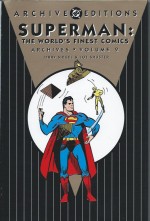
Justice League: Midsummer’s Nightmare


By Mark Waid, Fabian Nicieza, Jeff Johnson, Darick Robertson, John Holdredge, Hanibal Rodriguez & various (DC Comics)
ISBN: 978-1-56389-338-4

There are many facets that contribute to the “perfect mix” in the creation of any continuing character in comics. How much more so then, when the idea is to build a superhero team that will stand out from the seething masses that already exist?

In the mid-1990s, the iconic squad which truly ushered in the return of superheroes to comics suffered one of its periodic plunges in quality and popularity and ignominiously folded.

Of course the Justice League of America is too hallowed, venerated and valuable to fester in oblivion for any length of time and was quickly reconvened in a fresh new interpretation which quickly became the breakout book of 1997, courtesy of Grant Morrison & Howard Porter (see JLA: New World Order).

However, the scene was set for them by a strikingly exuberant miniseries which acted as a reassessment and reintroduction of the World’s Greatest Superheroes. Since the Silver Age’s greatest team-book died a slow, painful, embarrassing death, not once but twice, DC were taking no chances with their next revival and tapped Big Ideas wünderkind Morrison to reconstruct the group and the franchise.

However he was to a large extent riffing on groundwork laid by writers Mark Waid and Fabian Nicieza – as well as the impressive illustration of Jeff Johnson, Darick Robertson, John Holdredge & Hanibal Rodriguez – in a captivating no-nonsense miniseries which went a long way towards regenerating interest…

This slim sleek compilation (collecting Justice League: Midsummer’s Nightmare #1-3 from September-November 1996) opens with an effusive ‘Intro’ from Morrison before a world of confusion is revealed in ‘True Lies’ where comicbook artist Kyle Rayner struggles to meet the deadline for his assignment. He can’t understand why anybody would want to read about fictitious masked mystery men characters like Green Lantern when the entire planet is in the midst of a cosmic revolution.

All over earth humans are spontaneously developing super-powers as an inexplicable genetic “spark” triggers the next stage in evolution. Millions of superhumans are manifesting with no rhyme or reason whilst others seem doomed to remain merely mundane. It’s like a comicbook plot come to life…

Amongst the ordinary mortals left behind are reporter Clark Kent, philanthropist Bruce Wayne, schoolteacher Diana Prince, college lecturer Wally West and corporate compliance officer Arthur Curry. Elsewhere, separated by immeasurable gulfs, scientist J’onn J’onzz leads an idyllic life under the skies of Mars with his wife and daughter…

The dreams of all these mortals are troubled. They have vague, impossible recollections of beings colourful heroes in a world filled with their like, not this savage situation where selfish “Sparkers”, intoxicated with newfound power, squabble and bicker like bullies and thugs in a primarily plebeian universe…

In a hidden place, an immortal mastermind manipulates a super-villain the entire world has forgotten, using his power to reshape dreams to achieve an eons-long plan. However there’s far more to heroism than powers and each mentally diminished champion individually struggles to find the disturbing deeper truth they know has been somehow taken from them…

The spell of targeted amnesia starts to unravel when journalist Kent somehow survives being caught in a savage exchange between rival sparker gangs. Shocked back to Kryptonian normality he starts tracking down his vanished costumed contemporaries…

Elsewhere relative neophyte legacy heroes Wally and Kyle have their own epiphany moments as the second chapter ‘To Know a Veil’ finds a restored Superman and Batman systematically unravelling the sinister plot.

In a hidden sanctum Machiavellian Know Man further exploits the reality-warping gifts of his slave Doctor Destiny to create a team of sparkers specifically designed to eradicate the re-emergent heroes. Meanwhile Aquaman and Wonder Woman have united with the World’s Finest team in time to be ambushed by an army of sparkers. The battle is in no way certain until the restored Flash and Green Lantern pile in…

After the inconclusive clash the heroes realise they need their old telepathic team-mate back and hunt for J’onzz, eventually dragging the Martian Manhunter from his perfect dream of paradise regained in a bunker at Roswell. Having lost his world and family a second time, he is not in any mind to be merciful with his anonymous abductors…

The saga kicks into terminal high gear with ‘Daze & Knights’ as Know Man’s tailor-made sparker squad attacks only to fall as one before the brutal psychic assault of the furious and heartbroken Manhunter.

His mental capabilities then glean the whereabouts of their true foes from data buried by rebellious Dr. Destiny in Kyle’s subconscious and the fighting mad team race off to a final confrontation with their hidden enemy…

Fast-paced, action-packed and breathtakingly bold, this galvanic tale, pitting the greatest champion’s in DC’s pantheon against an immortal enemy whose roots stem back to the earliest days of the universe is a gloriously baggage-free romp and a splendid jumping on point for readers new and old alike, and this fantastic Fights ‘n’ Tights foray also includes a handy information section recapitulating and assessing the characters of Superman, Batman, Wonder Woman, Flash, Green Lantern, Aquaman and Martian Manhunter.
© 1996 DC Comics. All Rights Reserved.
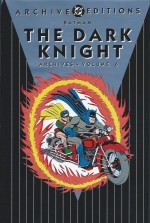
Batman: Silver Age Dailies and Sundays 1966-1967


By Whitney Ellsworth, Joe Giella, Sheldon Moldoff, Carmine Infantino & various ()
ISBN: 987-1-61377-845-6

For nearly seventy years in America the newspaper comic strip was the Holy Grail cartoonists and graphic narrative storytellers hungered for. Syndicated across the country and the planet, winning millions of readers and accepted (in most places) as a more mature and sophisticated form of literature than comic-books, it also paid better. And the Holiest of Holies was the full-colour Sunday page.

So it was always something of a poisoned chalice when a comicbook character became so popular that it swam against the tide (after all weren’t the funny-books invented just to reprint the strips in cheap accessible form?) and became a syndicated serial strip. Both Superman and Wonder Woman made the jump soon after their debuts and many features have done so since.

Due to a number of war-time complications, the newspaper Batman and Robin strip was slow getting its shot but when the Dynamic Duo finally hit the Funny pages the feature soon proved to be one of the best-regarded, highest quality examples of the trend, both in Daily and Sunday formats.

The strips never achieved the circulation they deserved, but the Sundays were eventually given a new lease of life when DC began issue vintage stories in the 1960s for Batman 80-page Giants and Annuals. The exceedingly high-quality adventures were ideal short stories and added an extra cachet of exoticism for young readers already captivated by simply seeing tales of their heroes that were positively ancient and redolent of History with a capital “H”.

Such was not the case in the mid-1960s when, for a relatively brief moment, mankind went bananas for superheroes in general and most especially went “Bat-Mad”…

The Silver Age of comicbooks utterly revolutionised a creatively moribund medium cosily snoozing in unchallenging complacency, bringing a modicum of sophistication to the returning genre of masked mystery men.

For quite some time the changes instigated by Julius Schwartz (in Showcase #4, October 1956) which rippled out in the last years of that decade to affect all of National/DC Comics’ superhero characters generally passed by Batman and Robin. Fans buying Batman, Detective Comics, World’s Finest Comics and latterly Justice League of America would read adventures that – in look and tone – were largely unchanged from the safely anodyne fantasies that had turned the Dark Knight into a mystery-solving, alien-fighting costumed Boy Scout just as the 1940s turned into the 1950s.

By the end of 1963, however, Schwartz having – either personally or by example – revived and revitalised the majority of DC’s line and, by extension and imitation, the entire industry with his reinvention of the Superhero, was asked to work his magic with the creatively stalled and nigh-moribund Caped Crusaders.

Bringing his usual team of top-notch creators with him, the Editor stripped down the core-concept, downplaying all the ETs, outlandish villains and daft transformation tales, bringing a cool modern take to the capture of criminals whilst overseeing a streamlining rationalisation of the art style itself. The most apparent change to us kids was a yellow circle around the Bat-symbol but, far more importantly, the stories also changed. A subtle aura of genuine menace had crept back in.

At the same time Hollywood was in production of a television series based on Batman and, through the sheer karmic insanity that permeates the universe, the studio executives were basing their interpretation upon the addictively daft material DC was emphatically turning its editorial back on rather than the “New Look Batman” currently enthralling readers.

The Batman TV show premiered on January 12th 1966 and ran for three seasons (120 episodes in total), airing twice weekly for the first two. It was a monumental, world-wide hit and sparked a wave of trendy imitation. The resulting media hysteria and fan frenzy generated an insane amount of Bat-awareness, no end of spin-offs and merchandise – including a movie – and introduced us all to the phenomenon of overkill.

No matter how much we might squeal and foam about it, to a huge portion of this planet’s population Batman is always going to be that “Zap! Biff! Pow!” buffoonish costumed Boy Scout…

“Batmania” exploded across the world and then as almost as quickly became toxic and vanished, but at its height led to the creation of a fresh newspaper strip incarnation. The strip was a huge syndication success and even reached fuddy-duddy Britain, not in our papers and journals but as the cover feature of weekly comic Smash! (with the 20th issue onwards).

The overwhelmingly successful Batman TV show ended in March, 1968. As the series foundered and faded away, the global fascination with “camp” superheroes – and no, the term had nothing to do with sexual orientation no matter what you and Mel Brooks might think about Men in Tights – burst as quickly as it had boomed and the Caped Crusader was left with a hard core of dedicated fans and followers who now wanted their hero back…

From the time when the Gotham Guardians could do no wrong comes this superb collection re-presenting the bright and breezy, intentionally zany cartoon classics augmented by a wealth of background material, topped up with oodles of unseen scenes and detail to delight the most ardent Baby-boomer nostalgia-freaks.

It opens with an astonishingly informative and astoundingly picture-packed, candidly cool introduction from comics historian Joe Desris entitled ‘A History of the Batman and Robin Newspaper Strip’, stuffed with a wealth of newspaper promotional materials, premiums and giveaways, sketches, comicbook covers and the intimate lowdown on how the strip was coordinated to work in conjunction with regular comicbooks.

The Dailies and Sundays were all scripted by former DC editor (and the company’s Hollywood liaison) Whitney Ellsworth and initially illustrated by Bob Kane’s long-term art collaborator Sheldon Moldoff, before inker Joe Giella was tapped by the studio to provide a slick, streamlined and modern look to the visuals – frequently as penciller but ALWAYS as embellisher.

Since the feature was a seven-day-a-week job, Giella often called in few comicbook buddies to help lay-out and draw the strip; luminaries such as Carmine Infantino, Bob Powell, Werner Roth, Curt Swan and others…

In those days, black-&-white Dailies and full-colour Sundays were mostly offered as separate packages and continuity strips often ran different stories for each. With Batman the strip started out that way, but switched to unified seven-day storylines in December 1966.

For convenience, this collection begins with the Sunday-only yarns. ‘Penguin Perpetrated a Prank’ (May 29th – July 10th 1966) saw the Fowl Felon and his masked moll Beulah go on a rather uninspired crime spree, after which ‘The Nasty Napoleon’ (July 17th – October 16th) introduced a pint-sized plunderer with delusions of military grandeur and larcenous intent. Moldoff was replaced by Giella and Infantino at the end of August, if you were wondering…

“Swinging England” was almost as big a craze as Batman at this time so it was no surprise that the Dynamic Duo would hop across The Pond to meet well-meaning but bumbling imitators ‘Batchap and Bobbin’, fighting crime in the sleepy hamlet of Lemon Regis (October 23rd – December 18th) after which the Sundays were incorporated into the working week storylines…

The monochrome Dailies launched on May 30th, Ellsworth & Moldoff kicking off the festivities with a healthy dose of sex & violence as ‘Catwoman is a Wily Wench’ (running until July 9th 1966) had the sultry bandit quickly captured only to break out of jail and go on a vengeance-fuelled spree intended to end Batman’s career and life…

‘Two Jokers and a Laughing Girl’ (July 11th – September 24th) found the Clown Prince of Crime paroled into the custody of Bruce Wayne whilst secretly robbing Gotham blind by employing a body-double.

As Giella took over the art chores, it took a guest shot from Superman to iron out that macabre miscreant’s merry muddle…

Claiming he had been robbed of his rightfully stolen loot the Wily Bird brigand became ‘Penguin the Complainant’ (September 26th – October 8th), demanding his greatest enemies and the Gotham police catch a modern-day pirate plaguing him.

That led in turn to a flotilla of fists and foolishness as Batman and Robin began ‘Flying the Jolly Roger’ (October 10th – December 9th) after which Daily and Sunday segments unified as our courteous but severely outmatched Chivalrous Crusaders faced their greatest challenge from a trio of college girls – The Ivy League Dropouts.

The co-ed crooks and their floral field commander in ‘The Sizzling Saga of Poison Ivy’ (December 10th 1966-March 17th 1967) were unrelated to the psychotic poisoner created by Robert Kanigher (in Batman #181, June 1966) in everything but name…

Like its TV counterpart, the strip began increasingly featuring real-world guest stars and the bad girl’s scheme to plunder hospitality magnate Conrad Hilton‘s latest enterprise – The Batman Hilton – led to comedic cross-dressing hijinks, a doomed affair for Bruce and plenty of publicity for all concerned…

The guest policy was expanded in ‘Jack Benny’s Stolen Stradivarius’ (March 18th – April 30th) as the infamously penny-pinching comedian promised the Gotham Gangbusters a thousand dollar-an-hour stipend (for charity, of course) to recover his fiddle but insisted on accompanying them everywhere to ensure they worked at top speed…

A major character debuted in ‘Batgirl Ain’t your Sister’ (May 1st – July 9th) as a masked mystery woman began prowling the night streets. She was beating up plenty of baddies but their loot never seemed to be recovered…

With no clues and nothing to go on, all Batman and Robin could do was masquerade as crooks and start robbing places in hopes of being caught by the “Dominoed Daredoll”, but by the time they found each other The Riddler had involved himself, planning to kill everybody and keep all that accumulated loot for himself…

Riding a wave and feeling ambitious, Ellsworth & Giella began their longest saga yet as ‘Shivering Blue Max, “Pretty Boy” Floy and Flo’ (running from July 10th 1967 to March 18th 1968) saw a perpetually hypothermic criminal pilot accidentally down the Batcopter and erroneously claim the underworld’s million dollar bounty on Batman and Robin.

The heroes were not dead, but the crash had caused the Caped Crusader to lose his memory and, whilst Robin and faithful manservant Alfred sought to remedy his affliction, Max collected his prize and jetted off for sunnier climes.

With Batman missing, neophyte crimebuster Batgirl then tracked down the heroes – incidentally learning their secret identities – and was instrumental in restoring him to action if not quite his full functioning faculties…

When underworld paymaster BG (Big) Trubble heard that the heroes had returned he quite understandably started procedures to get his money back, forcing Max to return to Gotham where he stupidly fell foul of Pretty Boy before that hip young gunsel and his sister Flo kicked off a murderous scheme to fleece a horoscope addicted millionaire…

To Be Continued, Bat-Fans…

Supplementing the parade of guilty pleasures is a copious, comprehensive and fabulously educational section on ‘Notes on Stories in this Volume’ – also generously illustrated with covers, photos and show-&-strip arcana – as well as a fascinating behind-the-scenes display highlighting editorial corrections and alterations to the strips required by those ever-so-fussy TV studio people. Everything then ends for now with a schematic key to ‘The Batman Cast’ as depicted on the back cover.

The stories in this compendium reflect gentler times and an editorial policy focusing as much on broad humour as Batman’s reputation as a manhunter, so the colourful, psychotic costumed super-villains are in a minority here, but if you’re of a certain age or open to fun-over-thrills this a collection well worth your attention.

Batman: Silver Age Dailies and Sundays 1966-1967 is the first in a series of huge (305 x 236mm) lavish, high-end hardback collections starring the Gotham Gangbusters, and a welcome addition to the superb commemorative series of Library of American Comics which has preserved and re-presented in luxurious splendour such landmark strips as Li’l Abner, Tarzan, Little Orphan Annie, Terry and the Pirates, Bringing Up Father, Rip Kirby, Polly and her Pals and many other cartoon icons.

If you love the era, the medium of just graphic narratives, these stories are great comics reading, and this is a book you simply must have.
© 2014 DC Comics. All Rights Reserved. Batman and all related characters and elements ™ DC Comics.