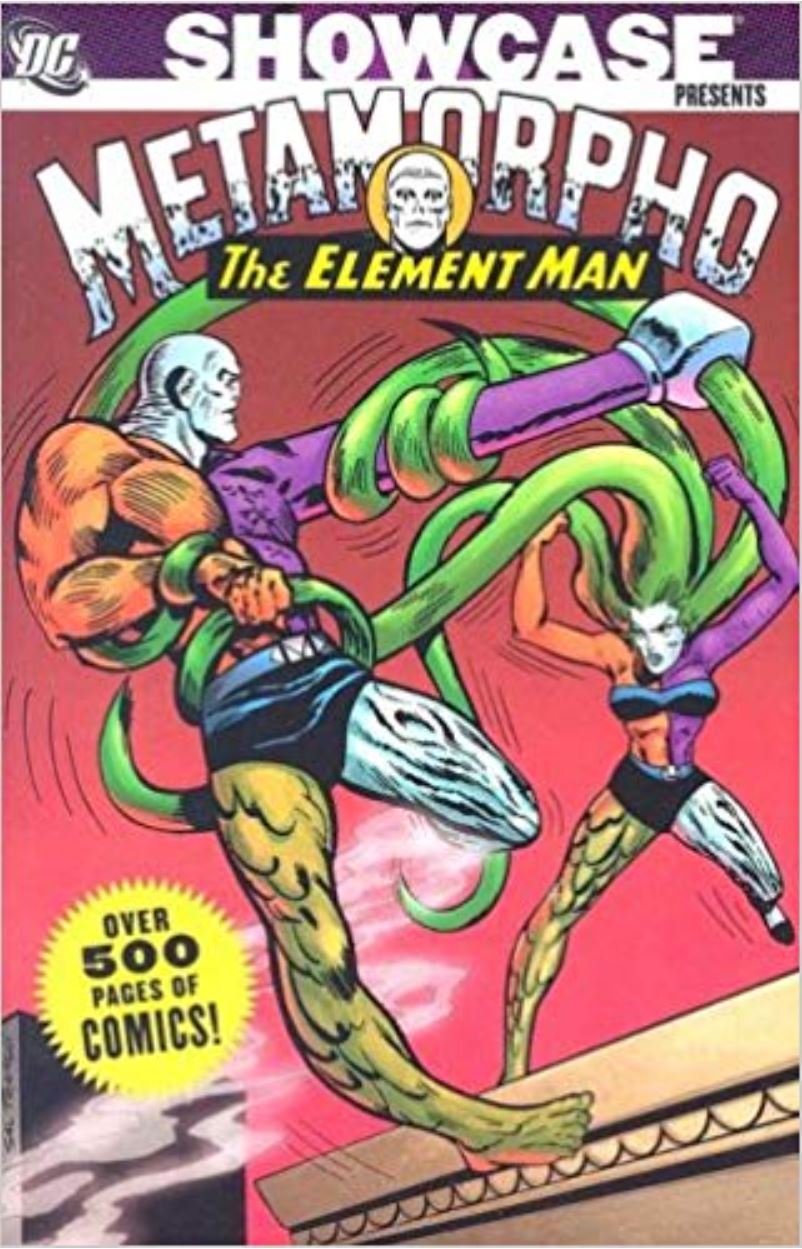
Justice League of America: Zatanna’s Search


By Gardner F. Fox, Murphy Anderson, Bob Kane, Joe Giella, Gil Kane, Sid Greene, Carmine Infantino, Mike Sekowsky & various, with Gerry Conway, Romeo Tanghal & Vince Colletta (DC Comics)
ISBN: 978-1-4012-0188-3 (TPB)

The Silver Age of Comic Books changed many things, but its longest lasting revolution was in how it introduced more women and to the pantheon of costumed characters. Here in one long-neglected package is the story of a character who has never looked back, and this year celebrates sixty years of magic…

With Julius Schwartz and John Broome, writer extraordinaire Gardner F. Fox laid the foundations of all comic book continuities. He was a lifelong creator and champion of strong female characters (like Dian Belmont, Hawkgirl/Hawkwoman, Inza Nelson, BarbaraBatgirl/OracleGordon and Sue Dibny), a canny innovator and one of the earliest proponents of extended storylines which have since become so familiar to us as “braided crossovers”.

A lawyer by trade, Fox began his comics career in the Golden Age toiling on major and minor features, working in every genre and for most companies. One of the second-string strips he scripted was Zatara; a magician-hero in the Mandrake mould who fought evil and astounded audiences in the pages of Action and World’s Finest Comics for over a decade, beginning with the very first issue. To be completely accurate, the latter’s premiere performance was in the one-shot World’s Best Comics #1, but whatever the book’s name, the top-hatted, suavely tailed and tailored trickster was there. Zatara fell from favour as the decade closed, fading from memory like so many other outlandish crime-crushers…

In 1956 Editor Schwartz reinvented the superhero genre, reintroducing costumed characters based on the company’s defunct costumed cohort. Flash, Green Lantern, Hawkman and The Atom were refitted for a sleek, scientific atomic age, with their legendary predecessors latterly reincarnated and returned as denizens of an alternate Earth. As experiments became a trend and then inexorable publishing policy, surviving heroes like Superman, Batman, Green Arrow, Aquaman and Wonder Woman were retrofitted to match the new world order.

The Superhero was resurgent and public appetite seemed inexhaustible. For their next trick Fox & Schwartz turned to the magician of yore and presumably found him wanting. Rather than condemn the mage to Earth-Two, they instead created the first “legacy hero” by having Zatara vanish from sight as precursor to debuting an unsuspected daughter, before setting her on a far-reaching quest to find him.

Zatanna premiered in 1964 in Hawkman #4 (cover-dated October/November), illustrated by the magnificent Murphy Anderson in a beguiling thriller entitled ‘The Girl who Split in Two’. Following a mystical trail and wearing a variation of Zatara’s stage garb, the plucky, impatient lass had mystically divided her body in two and travelled simultaneously to Ireland and China, but lapsed into paralysis until Hawkman and Hawkgirl answered her ethereal distress call.

Although nobody knew it at the time, the “winsome witch” appeared next as the villain in Detective Comics #336 (February 1965). ‘Batman’s Bewitched Nightmare’ saw a broom-riding old crone attacking the Dynamic Duo at the command of mutant super-threat The Outsider in a stirring yarn limned by Bob Kane & Joe Giella. Current opinion posits this wasn’t originally intended as part of the quest epic, but when the search storyline was resolved at the height of TV-inspired “Batmania” in Justice League of America #51, some slick back-writing was necessary to bring the high-profile Caped Crusader into the resolution.

Gil Kane & Sid Greene illustrated the next two chapters of the saga: firstly in ‘World of the Magic Atom’ (Atom #19, June/July 1965), wherein Mystic Maid and Tiny Titan battled Zatara’s old nemesis The Druid on microcosmic world Catamoore, and then with the Emerald Gladiator in an extra-dimensional realm on ‘The Other Side of the World!’ (Green Lantern #42, January 1966). Here the malevolently marauding, potentially Earth-dominating Warlock of Ys is overcome after a mighty struggle and compelled to reveal further clues in the trail.

The Elongated Man starred in a long-running back-up feature in Detective Comics, and in #355 (September 1966, pencilled & inked by Carmine Infantino) ‘The Tantalizing Trouble of the Tripod Thieves!’ revealed how the search for a pilfered eldritch artefact brought the sorceress closer to her goal, before the search concluded in spectacular and fabulously satisfying fashion with aforementioned JLA tale ‘Z – As in Zatanna – and Zero Hour!’ (#51, February 1967).

With art by incomparable team Mike Sekowsky & Sid Greene, all heroes who previously aided her were transported to another mystical plane to conduct a classic battle of good against evil, with plenty of cunning surprises and a happy ending for all concerned.

Here is a triumphant early experiment in continuity that remains one of the best adventures of the Silver Age, featuring some of the era’s greatest creators at the peak of their powers. This slim volume also carries an enticing encore: following the mandatory cover gallery is a rare 10-page tale. ‘The Secret Spell!’ – by Gerry Conway, Romeo Tanghal & Vince Colletta – was only originally seen in DC Blue Ribbon Digest #5 (November-December 1980): revealing ‘Secret Origins of Super-Heroes’ and exploring the hidden history of both father and daughter in a snappily informative manner. Although a little hard to find now – and a still a prime candidate for arcane transmogrification into digital formats – this is a superlative volume for fans of costumed heroes and would make a wonderful tome to bring newcomers to the genre.
© 1964, 1965, 1966, 1967, 1980, 2004 DC Comics. All Rights Reserved.

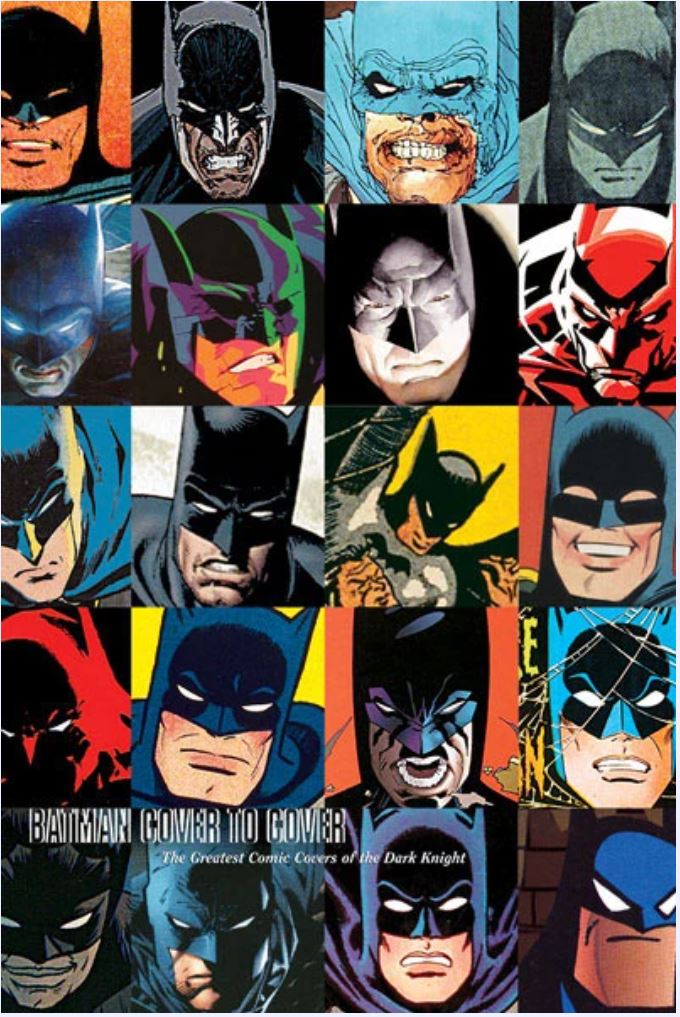
Batman: Cover to Cover


By Neal Adams, Chip Kidd, Rian Hughes and more, with art by Bob Kane, Sheldon Moldoff, Jerry Robinson, George Roussos, Charles Paris, Stan Kaye, Fred Ray, Jack Burnley, Dick Sprang, Lew Sayre Schwartz, Win Mortimer, Jim Mooney, Curt Swan, Carmine Infantino, Joe Giella, Murphy Anderson, Nick Cardy, Joe Kubert, Gil Kane, Ross Andru, Mike Esposito, Irv Novick, Jack Abel, Bernie Wrightson, Alex Toth, Ernie Chan, Dick Giordano, Marshall Rogers, Terry Austin, Walter Simonson, Michael Golden, José Luis García-López, Frank Miller, David Mazzucchelli, Brian Bolland, Alan Davis, Paul Neary, Eduardo Barreto, George Pérez, Bill Sienkiewicz, Edward Hannigan, Paul Gulacy, Gene Colan, Graham Nolan, Brian Stelfreeze, Kelley Jones, Dexter Vines, Drew Geraci, Bruce Timm, Bret Blevins, Kevin Nowlan, Lee Weeks, Adam Hughes, Jon Bogdanove, Denis Janke, John Beatty, Michael T. Gilbert, Mike Mignola, P. Craig Russell, Mike Zeck, Norm Breyfogle, James Hodgkins, Matt Wagner, Jim Lee, Scott Williams, Tony Salmons, Damion Scott, Tom Palmer, Ty Templeton, Terry Beatty, Carl Critchlow, Jason Pearson, Daniel Brereton, John Van Fleet, John Wells, Karl Story, Hugh Fleming, Kelsey Shannon, Paul Pope, Jae Lee, Cully Hamner, John McCrea, Robert Smith, Scott McDaniel, Howard Porter, Joe Quesada, Jimmy Palmiotti, Alex Maleev, Sean Phillips, Doug Mahnke, Phil Winslade, Quique Alcatena, Tom Nguyen, Scott Hampton, Ed McGuiness, Michael Lark, Paul Johnson, Tim Sale, Darwyn Cooke, Lee Bermejo, Dave Johnson, J. G. Jones, Robert John Cassaday, Campanella, The Iguana & various (DC Comics)
ISBN: 978-1-4012-0659-8 (HB)

This year marks Batman’s 85th Anniversary and we’ll be covering many old and new books about the Dark Knight over the year. Let’s start gently with a pictorial treat long overdue for revision and rerelease but also one readily available through the usual digital vendors…

Although not strictly a graphic novel, Batman: Cover to Cover is a giant collection of the best comic covers featuring the Caped Crusader since his first appearance in Detective Comics #27 (May 1939). This is a nostalgic delight for old timers, newcomers and casually passersby alike, concocted and compiled by many of the countless people who worked on Batman over the past decades.

Each was were polled on their own favourite cover and what seems like an impossible task at first glance was smartly subdivided into easy to digest, themed subject-headings including Fearsome Foes, Welcome to Fun City, The Dynamic Duo, Batman by Design, Death Traps, Guilty!, The Batman Family, Bizarre Batman, Secrets of the Batcave, Covers from Around the World, A Death in the Family, Milestones and World’s Finest (pairing the Gotham Guardian with other heroes from the DCU).

Additional features include a thorough examination and critique of the globally recognised logo by designer extraordinaire Rian Hughes; discussions on cover construction by Jerry Robinson, Neal Adams and Bob Schreck and a poll on the greatest cover ever with contributions from the likes of Alex Ross, Chip Kidd, Neil Gaiman, Brad Meltzer, Mark Waid, Jeph Loeb, Brian Bolland, Paul Levitz and movie mavens like Christopher Nolan and Mark Hamill.

This coffee table book is exciting, emphatically lovely to look at and will provide hours of debate as we all dip in, reminisce and ultimately disagree on what should and shouldn’t be included. Enjoy, Art-lovers and Bat-Fans!
© 2005 DC Comics. All Rights Reserved.
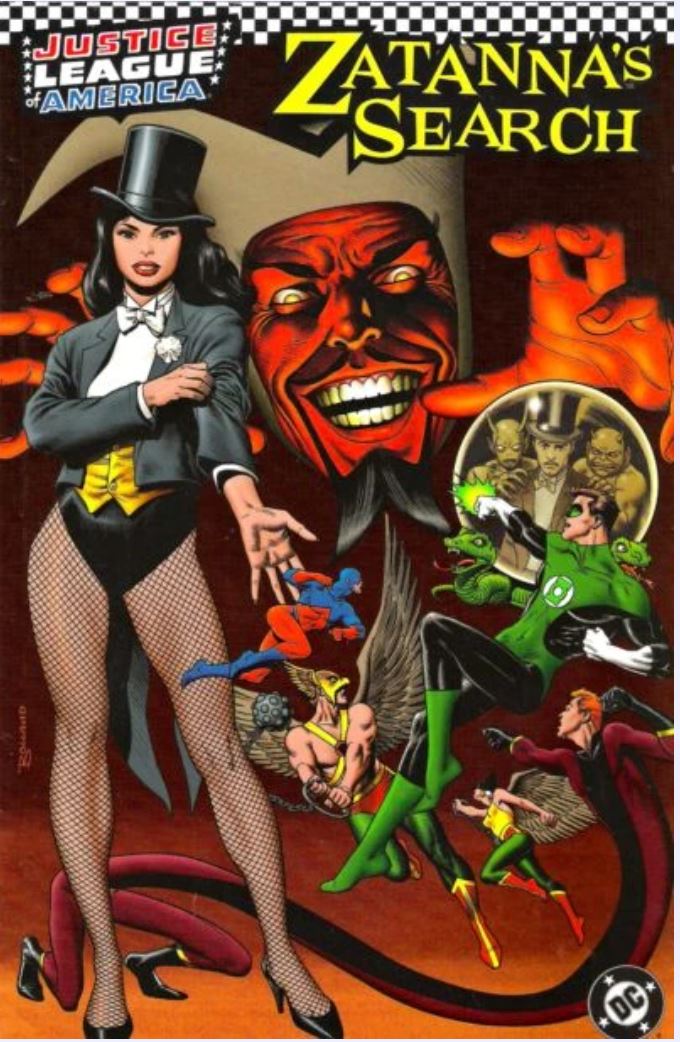
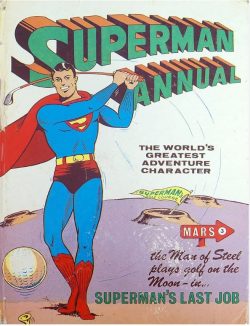
Superman Annual 1965-1966


By Jerry Siegel, Otto Binder, Jerry Coleman, Robert Bernstein, Wayne Boring, Curt Swan, Dick Sprang, Al Plastino & various (Atlas Publishing/K.G. Murray)
No ISBN: B008IIHI92

Before 1959, when DC Comics and other American publishers began exporting directly into the UK, our exposure to their unique brand of fantasy fun came from licensed reprints. British publisher/printers like Len Miller and Alan Class bought material from the USA – and occasionally, Canada – to fill 68-page monochrome anthologies, many of which recycled the same stories for decades.

Less common were (strangely) coloured pamphlets from Australian outfit K.G. Murray, exported here in a rather sporadic manner. The company also produced sturdy and substantial Christmas Annuals which had a huge impact on my earliest years (I strongly suspect my adoration of black-&-white artwork stems from seeing supreme stylists like Curt Swan, Carmine Infantino, Al Plastino, Wayne Boring, Gil Kane or Murphy Anderson uncluttered by flat, limited colour palettes). This particular tome comes from the period when those US imports were steadily proliferating, prompting some rash, rushed experiments with full colour – but not as we knew it…

Also generally unknown was who did what, but I’m here to tell you Otto Binder, Boring & Stan Kaye produced the spectacular 2-chapter clash opening this Annual as ‘Hercules in the 20th Century!’ and ‘Superman’s Battle with Hercules!’ (taken from Action Comics #267-268, August and September 1960) sees Luthor bring the Hellenic demi-god to Metropolis to battle “evil king” Superman. Events turn even more serious when the legendary warrior “goes native” and in human guise woos Lois Lane. When spurned, he marshals the mighty magical powers of his fellow Olympians to destroy his unwitting rival!

Pausing to refresh with a fact-feature look at ‘Giants of the Telescope – Nicholas-Louise de Lacaille (1713-1762)’, the eternal cat-&-mouse game of Lois trying to unmask Superman next prompts a clever bout of identity-saving when she tricks Clark Kent into standing before ‘The Truth Mirror!’ (by Jerry Siegel, Swan & George Klein from Action #269).

For decades Superman and Batman were quintessential superhero partners: the “World’s Finest” team. They were friends as well as colleagues and their pairing made sound financial sense since DC’s top heroes could cross-pollinate and cross-sell their combined readerships. Here World’s Finest Comics #112 (September 1960) sees Jerry Coleman, Dick Sprang & Sheldon Moldoff’s unique and tragic saga of ‘The Menace of Superman’s Pet’ as a phenomenally cute teddy bear from space proves to be an unbelievably dangerous menace and unforgettable true friend. The ending is killer so bring tissues you big babies…

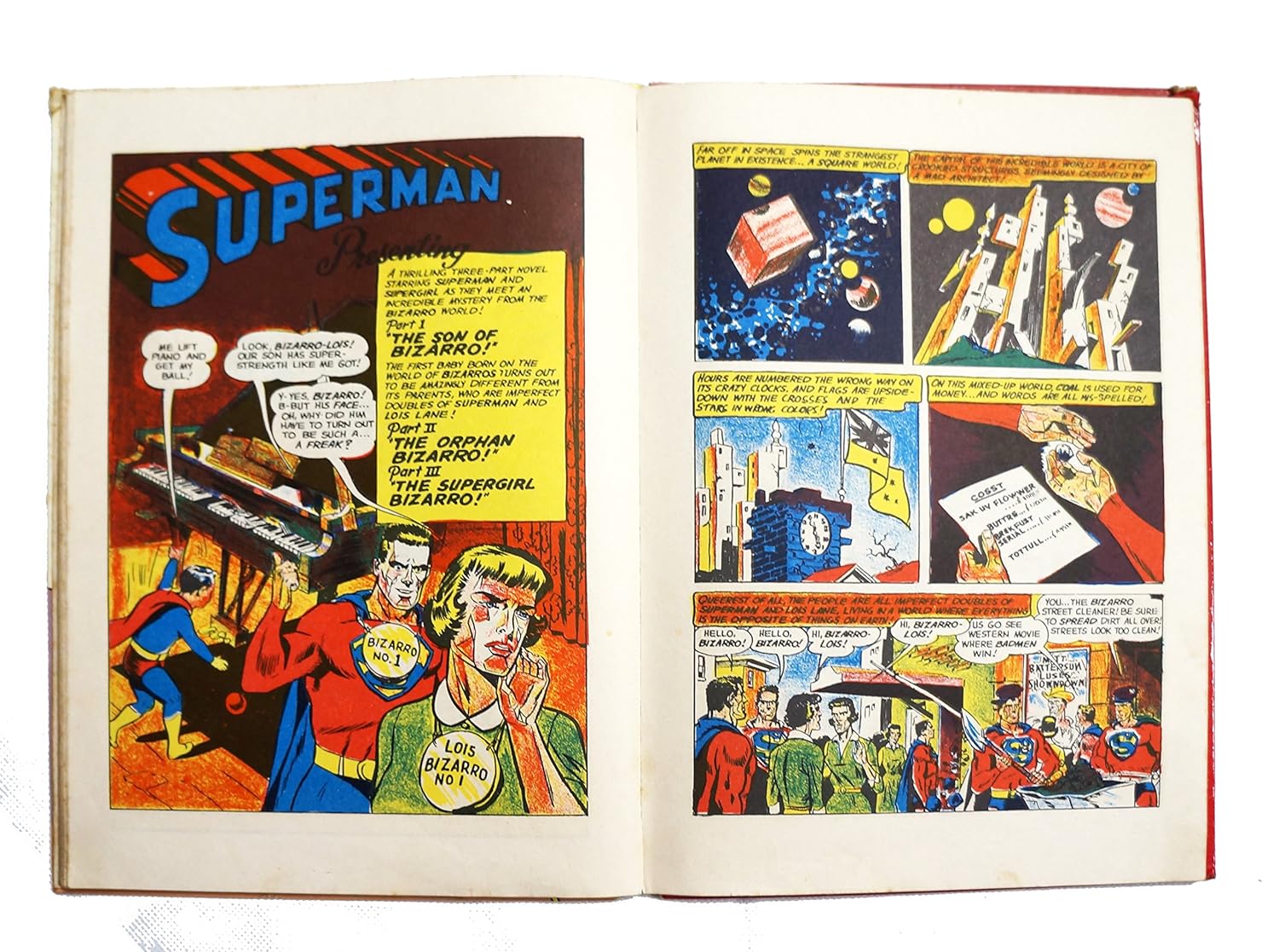
Although later played for laughs, most of the earlier appearances of The Man of Steel’s warped double were generally moving comic-tragedies. That’s absolutely the case in ‘The Son of Bizarro!’ (Superman #140, Binder, Boring & Kaye) as the fractured facsimile and wife Bizarro-Lois have a human baby. The fast growing but physically perfect tyke is super-powered but utterly shamed and shunned by the populace of the world of monsters.

His simple-minded, heartbroken father has no choice but to exile his son to space, where chance (and narrativium) bring the lad crashing to Earth as ‘The Orphan Bizarro!’. Housed in the same institution where Supergirl resides, “Baby Buster” is soon a permanent headache for the Girl of Steel until a tragic accident apparently mutates him. Eventually, his distraught father comes looking for the kid leading an angry army of enraged imperfect Superman duplicates. A devastating battle is narrowly avoided and a happy ending only materialises due to the creation of ‘The Bizarro Supergirl!’

More knowledge is pictorially shared in ‘Amazing Ratios!’ before we head to the end with a devious story of the Action Ace’s shock retirement, as first seen in Superman #90 (July 1954) wherein Coleman & Plastino deliver ‘Superman’s Last Job!’ Naturally, there’s a hidden agenda and crime to be crushed behind all his twilight years hobby sampling…

Superman has proven to be all things to all fans over his decades of existence, and these timeless tales of joyous charm and wholesome wit are more necessary than ever: not just as a reminder of great times past but as an all-ages primer of wonders still to come…
Published by arrangement with the K.G. Murray Publishing Company, Pty. Ltd., Sydney. © National Periodical Publications, Inc. New York.

Legends of the DC Universe Carmine Infantino


By Carmine Infantino, with Arthur Peddy, Alex Toth, Joe Giella, Frank Giacoia, Frank McLaughlin, Joe Kubert, Bernard Sachs, John Giunta, Sy Barry, George Roussos, John Celardo, Dave Hunt, Tony DeZuñiga, Joe Orlando, Klaus Janson, Carl Gafford & Linda Kachelhofer: written by Gardner F. Fox, Robert Kanigher, John Broome, Joseph Greene, Arnold Drake, Len Wein, Gerry Conway, Cary Bates & various (DC Comics)
ISBN: 978-1-6054-9091-5 (HB)

Win’s Christmas Gift Recommendation: A Shining Star Remembered… 10/10

Born on May 24th 1925, Carmine Michael Infantino was one of the greatest comic artists America ever produced: a multi award-winning innovator there when comic books were born, he reshaped the industry in the Silver Age and was still making fans when he died in 2013.

As an artist he co-created among others Black Canary, Detective Chimp, King Faraday, Pow-Wow Smith, the Silver Age Flash, Elongated Man, Strange Sports Stories, Deadman, Batgirl and The Human Target whilst placing his unique stamp on characters such as Adam Strange and Batman. Infantino worked for many companies, and at Marvel ushered in a new age by illustrating the licensed Star Wars comic whilst working on titles and characters such as The Avengers, Daredevil, Ms. Marvel, Nova, Star-Lord and Spider-Woman. His work on two separate iterations of Batman newspaper strips is fondly remembered and whilst acting as Art Director and Publisher of National DC, Infantino oversaw the most critically acclaimed period in the company’s history, overseeing the “relevancy” era and poaching Jack Kirby from Marvel to create the Fourth World, Kamandi, The Demon, OMAC and more…

Very much – and repeatedly – the right man at the right time and place, Infantino shaped American comics history in a manner only Kirby ever equalled, and this long overdue bumper compendium barely touches all his contributions to DC’s history. Hopefully we’ll be seeing a few more in future…

After appreciative and informative Introduction ‘Carmine the Icon’ by author/ historian J. David Spurlock, this small sampling from decades of triumphs opens with hard-hitting social commentary as ‘The Plight of a Nation’ details how the Justice Society of America (The Flash, Hawkman, Wonder Woman, Green Lantern, Dr. Mid-Nite, The Atom and Black Canary) hunt a gang of thieving hoodlums whilst tackling the true threat – how charismatic hoods like the Crimson Claw Gang have become insidious role models for youngsters…

Scripted by John Broome, and limned in collaboration with Arthur Peddy, Alex Toth & Bernard Sachs, the saga from All-Star Comics #40 (April/May 1948) tackled head-on the glamour of crime, goad of poverty and contemporary obsession with “juvenile delinquency” but still offered spectacular action and drama to sweeten the harsh message…

Black Canary was one of the first of the pitifully few female heroes to hold a star spot in the DC Universe – or indeed any comics before 1980s. She followed Wonder Woman, Liberty Belle, antihero Harlequin and Red Tornado (who masqueraded as a man to comedically crush crime – with a couple of kids in tow, too!). The Canary predated Merry, the Gimmick Girl – remember her? No, you don’t – and disappeared with the majority of costumed crusaders at the end of the Golden Age: a situation that was not remedied until her revival with the Justice Society of America in 1963.

Created by Robert Kanigher & Infantino in 1947, the Canary echoed worldly, dangerous women cropping up in crime novels and Film Noir movies better suited to the more cynical Americans who had endured a World War and were even then gearing up for a paranoiac Cold one. Clad in a revealing bolero jacket, shorts, fishnet stockings and high-heeled pirate boots, the devastating shady lady – who looked like Veronica Lake – began life as a thief…

In the desperate days of post-war uncertainty, continuity was negligible and nobody cared much about origins. All that mattered was pace, plot, action and spectacle. Flash Comics #86 (August 1947) was just another superhero anthology publication, suffering a slow sales decline wherein perennial B-feature Johnny Thunder had long since passed his sell-by date. Although a member of the Justice Society of America, Johnny was an old-fashioned comedy idiot; a true simpleton who just happened to control a lightning-shaped genie – Thunderbolt.

His affable, good-hearted bumbling had carried him through the war, but changing fashions had no room for a hapless (adult) hero anymore. In the tale presented here, when he meets a seductively masked female Robin Hood who stole from crooks, the writing was on the wall. In debut yarn inked by Joe Giella, ‘The Black Canary’ tricks him and T-Bolt into acquiring an invitation to a crime-lord’s party, where she lifts the ill-gotten loot and leaves Johnny to mop up the hoods. It was lust at first sight and the beginning of a legend…

In the same issue Infantino allowed his wacky sense of humour full expression in another tale of The Ghost Patrol – three French Foreign Legion aviators who were killed in the early days of WWII but somehow stuck around to fight Nazis and other evils. Scripted by John Wentworth ‘The Case of the Extra Ghost!’ finds ectoplasmic trio Fred, Pedro and Slim in post-war America investigating a haunted house and scuppering a scheme to defraud its latest inheritor…

Flash Comics #90 (December 1947, written by Kanigher & inked by Joe Giella) featured a sporty tale for lead hero The Flash to shine in. Scientist Jay Garrick was exposed to fumes of “Hard Water” to become the first “Fastest Man Alive” – one of the Golden Age’s leading stars. In this instance he uses his gift to save a baseball team from defeat and their mangers from death by despair by filling ‘Nine Empty Uniforms!’ after which fellow superstar Green Lantern/Alan Scott solo stars in Kanigher-scribed tale ‘The Unmasking of the Harlequin!’ (All-American Comics #95, March 1948) wherein the Emerald Gladiator again clashes with the mesmerising super thief when mysterious imitators frame them both for vicious crimes…

Tiny Titan and eternal apparent underdog The Atom was solid B-Feature throughout the Golden Age and here – courtesy of Infantino and writer Joseph Greene – solves the ‘Mystery of the Midway Tunnel!’ (Comic Cavalcade #28, August/September 1948) as college student Al Pratt resorts to his masked persona when his professor – a former GI turned civil engineer – finds his dream project is being sabotaged by gangsters.

Times were changing and superheroes vanishing as the forties closed and new times called for fresh ideas. Created by Kanigher & Bob Oksner, Lady Danger appeared in Sensation Comics#84-93: determined, safety-averse crime reporter Valerie Vaughn who regularly risked life and limb in pursuit of a scoop. Infantino and an unknown author produced another gripping tale for #87 (cover-dated March 1949), uncovering skulduggery at a charity bazaar whilst looking for ‘The Needle in the Haystack!’

Crime comics were not the only beneficiary of the decline of Mystery Men. Science fiction also enjoyed renewed public popularity and DC responded with two themed anthologies: Strange Adventures and Mystery in Space. Each combined stand-alone tales of fantastic imagination with continuing character features such as Captain Comet or – as here – Future Paladins The Knights of the Galaxy. Scripted by Kanigher as “Dion Anthony” and inked by Frank Giacoia, Joe Giella & John Giunta, Mystery in Space #3 (August/September 1951) led with ‘Duel of the Planets!’ as Round Table champion Lyle finds his comrades divided over Mercurian member Millo when the first planet declares war on the rest of the galaxy…

The biggest trend of the era was Romance Comics as almost every publisher jumped on the bandwagon created by Joe Simon & Jack Kirby in 1947. Amongst National/DC’s tranche of tearjerkers was Secret Hearts and in #8 (February/March 1952) Infantino (& Giacoia) limned a case study of Ann Martin, counsellor for Romance, Inc. Anonymously scripted, ‘Condemned Love!’ details how a client responds to learning her current beau is married…

Infantino regularly claimed his favourite character was not human but an hirsute anthropoid crimebuster. In The Adventures of Rex the Wonder Dog #4 (July/August 1952) readers were first invited to ‘Meet Detective Chimp!’ in charming comedy thriller by Broome and inked by Giacoia. The first outing of seminal comics lunacy saw Oscaloosa, Florida sheriff Chase solve a murder at the Thorpe Animal Farm with the help of Bobo and consequently adopt and deputise the super-smart simian. Bobo was assistant sheriff right up until the final issue (#46, November 1959) and has enjoyed new fame in the 21st century when a new generation of creators and fans rediscovered him.

Despite years when superheroes all but vanished America’s comic book industry never really stopped trying to revive the genre. When Showcase #4 was released in 1956 it was on the back of two successful DC launches: Captain Comet (December 1953-October 1955) and Manhunter from Mars (November 1955 until the end of the 1960’s and almost the end of superheroes again!) What made the new Fastest Man Alive stand out and stick was style!

Cover-dated September/October 1956, the epochal issue was released in late summer and from it stems all today’s print, animation, games, collector cards, cos-play, TV and movie wonderment.

Once DC’s powers-that-be decided to try superheroes once more, they too moved pretty fast. Editor Julie Schwartz asked office partner, fellow editor and Golden Age Flash scripter Kanigher to recreate a speedster for the Space Age: aided and abetted by Infantino & Joe Kubert, who had also worked on the Jay Garrick incarnation.

The new Flash was Barry Allen, a forensic scientist simultaneously struck by lightning and bathed in exploding chemicals from his lab. Supercharged by the accident, Barry took his superhero identity from a comic book featuring his childhood favourite. Now a major talent rapidly approaching his artistic and creative peak Infantino designed a sleek, streamlined bodysuit, as Barry Allen became point man for the spectacular revival of a genre and an entire industry.

Scripted by Kanigher & inked by Kubert, ‘Mystery of the Human Thunderbolt!’ sees Barry endure his electrical metamorphosis and promptly go on to subdue bizarre criminal mastermind and “Slowest Man Alive” Turtle Man, after which ‘The Man Who Broke the Time Barrier!’ – scripted by Broome – sees the Scarlet Speedster battling a criminal from the future: ultimately returning penal exile Mazdan to his own century, and proving the new Flash was a protagonist of keen insight and sharp wits as well as overwhelming power.

The return of costumed heroes was cautious and gradual and Infantino continued drawing his regular fare extraordinarily well. For Western Comics #73 (January/February 1959) he illustrated “Indian Lawman” Pow-Wow Smith with this example – ‘The Return of the Fadeaway Outlaw!’ scripted by Gardner Fox, with Sioux sleuth Ohiyesa again outwitting a bandit who specialises in astounding escapes…

Inevitably the superhero boom dominated comic books with the Scarlet Speedster in the vanguard of the revolution. A new star was born in The Flash #112 (April/May 1961 by Broome, Infantino & Giella) as ‘The Mystery of the Elongated Man’ introduced an intriguing super-stretchable newcomer to the DC universe, who might have been hero or villain in a beguiling tantaliser. The continuing adventures of the Scarlet Speedster were the bedrock of the Silver Age Revolution, with key writers Broome and Fox setting an unbelievably high standard for superhero adventure in sharp, witty tales of technology and imagination, illustrated with captivating style and clean simplicity by Infantino.

Fox didn’t write many Flash scripts at this time, but the few he did were all dynamite; none more so than the full-length epic which changed the scope of US comics forever. ‘Flash of Two Worlds’ (Flash #123, September 1961 and inked by Giella) introduced the concept of alternate Earths to the continuity which grew by careful extension into a multiversal structure comprising Infinite Earths. Once established as a cornerstone of a newly integrated DCU through a wealth of team-ups and escalating succession of cosmos-shaking crossover sagas, a glorious pattern was set which would, after joyous decades, eventually culminate in the spectacular awe-inspiring Crisis on Infinite Earths

During a benefit gig, Flash accidentally slips into another dimension where he finds the comic book hero upon whom he based his own superhero identity actually exists. Every ripping yarn he’d avidly absorbed as an eager child was grim reality to Jay Garrick and his comrades on the controversially designated “Earth-Two”. Locating his idol, Barry convinces the elder to come out of retirement just as three old foes make their own comebacks.

It was a time when anything was worth a punt, and Schwartz’s dream team indulged in in a truly bizarre experiment combining tried-&-tested science fiction tropes with America’s greatest obsession. Try-out title The Brave and the Bold dedicated five issues (#45-49) to testing the merits of Strange Sports Stories and here #49 (August/September 1963) sees a unique conquest by stealth as ‘Gorilla Wonders of The Diamond!’ sees an all-anthropoid team play baseball with a hidden agenda in a captivating coup by Fox, with Infantino producing some of his most innovative drawing for Giella to ink.

By the end of 1963, Julius Schwartz had spectacularly revived much of DC’s line – and the entire industry – with his modernisation of the superhero, and was then asked to work his magic with the creatively stalled and nigh-moribund Caped Crusaders. Bringing his usual team of top-notch creators with him, Schwartz stripped down and back to core-concepts, downplaying aliens, outlandish villains and daft transformations to bring a cool modern take on crimebusting. He even oversaw a streamlining and rationalisation of the art style itself.

The most apparent innovation was a yellow circle around the Bat-symbol, but far more importantly, the stories also changed. A subtle aura of genuine menace re-entered the comfortable and absurdly abstract world of Gotham City. Infantino was key to the changes that reshaped a legend – but this was while still pencilling The Flash – so, despite generating the majority of covers, Infantino’s interior art was limited to alternate issues of Detective Comics with the lion’s share of narrative handled by Bob Kane’s then-uncredited deputies Sheldon Moldoff, Giella, Chic Stone & others, plus occasional guest artists like Gil Kane…

Infantino’s part in the storytelling revolution began with Detective #327 – written by Broome and inked by Giella at the peak of their own creative powers. ‘The Mystery of the Menacing Mask!’ is a cunning “Howdunnit?”, long on action and moody peril, as discovery of a criminal “underground railroad” leads Gotham Gangbusters Batman & Robin to a common thug seemingly able to control them with his thoughts…

When Schwartz took editorial control he finally found a place for a character who had been lying mostly fallow ever since his debut and six subsequent walk-ons in The Flash. Designed as a modern take on Golden Age great Plastic Man, The Elongated Man was Ralph Dibny, a circus-performer who discovered an additive in soft drink Gingold which granted certain people increased muscular flexibility. Intrigued, Dibny refined the drink until he had a serum bestowing the ability to stretch, bend and compress his body to an incredible degree.

When the back-up spot opened in Detective (a position held by Martian Manhunter since 1955 and only vacated because J’onn J’onzz was promoted to lead in House of Mystery) Schwartz had Ralph slightly reconfigured as a flamboyant, fame-hungry, brilliantly canny globe-trotting private eye solving mysteries for the sheer fun of it. Aided by his equally smart but thoroughly grounded wife Sue, the vignettes were patterned on classic Thin Man films starring Nick and Norah Charles, blending clever, impossible crimes with slick sleuthing, garnished with outré heroic permutations and frantic physical antics.

The complex yet uncomplicated sorties, drenched in sly dry wit, began in Detective #327 with ‘Ten Miles to Nowhere!’ (by Fox & Infantino, who inked himself in early episodes). Here Ralph, who publicly unmasked to become a celebrity, discovers someone has been stealing his car every night and bringing it back as if nothing had happened. Of course, it must be a criminal plot of some sort…

Almost all of Infantino’s Silver Age stories have been collected somewhere but as he was transitioning to managerial levels he co-created one last landmark character just as DC faced an existential crisis. As the 1960s ended and costs spiralled, the superhero boom became a slow but certain bust, with major stars no longer able to find enough readers to keep them alive. The taste for masks was again diminishing in favour of traditional genres, and one rational editorial response was to reshape costumed characters to fit evolving tastes.

Publishers swiftly changed gears and even staid, cautious DC reacted rapidly: making masked adventurers designed to fit the new landscape. Newly revised and revived costumed features included roving mystic troubleshooter The Phantom Stranger and Golden Age colossus The Spectre. Supernatural themes and horror-tinged plots were shoehorned into the superhero titles that weathered the trend-storm. Arguably, the moment of surrender and change arrived with the creation of Boston Brand in the autumn of 1967, when science fiction anthology Strange Adventures was abruptly retooled as the home of an angry ghost…

Without fanfare or warning, Deadman debuted in #205 with ‘Who Has Been Lying in My Grave?’ by Arnold Drake, Infantino & George Roussos wherein we attend the funeral of high wire acrobat Brand: a rough, tough, jaded performer who had seen everything and masked a decent human heart behind an obnoxious exterior and cynical demeanour. As “Deadman”, he was the star attraction of Hills Circus and lover of its reluctant owner Lorna Carling, as well as a secret guardian for the misfits it employed and sheltered. That makeshift “family” included simple-minded strongman Tiny and Asian mystic Vashnu, but also had some bad apples too… like alcoholic animal trainer Heldrich and chiselling carnival Barker Leary. The aerialist kept them in line… with his fists, whenever necessary…

One fateful night, Brand almost missed his cue because of Leary and Heldrich’s antics but also because he had to stop local cop Ramsey harassing Vashnu. It would have better if he had been late, because as soon as he started his act – 40 feet up and without a net – someone put a rifle slug into his heart…

Despite being dead before he hit the ground, Brand was scared and furious. Nobody could see or hear him screaming, and Vashnu kept babbling on about the chosen of Rama Kushna – “the spirit of the universe”. The hokum all came horribly true as that entity made contact, telling Brand that he would walk among men until he found his killer…

The sentence came with some advantages: he was invisible, untouchable, immune to the laws of physics and able to take possession of the living and drive them like a car. His only clue was that witnesses in the audience claimed that a man with a hook had shot him…

Outraged, still disbelieving and seemingly stuck forever in the ghastly make-up and outfit of his performing persona, Deadman’s first posthumous act is to possess Tiny and check out the key suspects. Soon the dormant Hercules finds that the cop and Heydrich are involved in a criminal conspiracy, but they definitely are not Brand’s murderers…

Eventually Infantino returned to his drawing board – primarily for Marvel – but returned to DC in the 80s. The House of Mystery #296 (September 1981) shows his mastery of horror themes and short stories in ‘Night Women’: written by Gerry Conway, with John Celardo inking and Carl Gafford colouring, but the move was primarily to draw The Flash again (from 1981 with #296), but here we see a lesser known yarn from DC Comics Presents #73 (September 1984) teaming the Vizier of Velocity with Superman in ‘Rampage in Scarlet’. Written by Cary Bates, with Dave Hunt inking and Gafford on hues, it sees the heroes unite to save an alien civilisation from an army of Phantom Zone villains, after which Secret Origins #17 (August 1987) reprises ‘The Secret Origin of Adam Strange’, with Conway, Tony DeZuñiga & Joe Orlando joining Infantino in revisiting the artist’s other signature Silver Age star.

This book closes with a complete miniseries similarly reviving one of Infantino’s lost 1950’s triumphs. King Faraday debuted in Danger Trail #1 (July 1950): a two-fisted globe-trotting US spy co created by Kanigher & Infantino. The book was cancelled with the fifth issue and one last tale was published in Worlds Finest Comics #64 (May/June 1953). An attempt to revive The Intercontinental Operative failed in early 1964 when reprints of his adventures appeared in Showcase #50-51 under the code title I… Spy! King eventually joined the integrated DCU in 1979 as a guest in Batman #313, scripted by Len Wein.

In 1993 the writer gave the spy a second shot in a 4-issue miniseries spanning cover-dates April to July, inked by Frank McLaughlin & coloured by Linda Kachelhofer. Danger Trail (volume 2) #1-4 comprises ‘The Serpent in the Garden File’ as the aging agent chases a mystery schemer around the world in ‘Chapter One: On the Road Again!’, drops a growing pile of bodies in ‘Chapter Two: Hot Pursuit!’ and discovers his quarry is not the usual ideological adversary and that no friend can be trusted in ‘Chapter Three: Coiled to Strike’.

With the world at stake, Faraday – and notional ally Sarge Steel – at last confront the pitiless hidden enemy in ‘Chapter Four: Into the Snake Pit’ and barely save the day again…

Although the book features every pertinent cover by Infantino, the comic delights conclude with a stellar ‘Cover Gallery’ of graphic glories inked by Giacoia, Giunta, Giella, Drake, Roussos & Orlando plus a brief biography.

These tales are pure comics gold: must-not-miss material any fan would be crazy to miss.
© 1947, 1948, 1949, 1951, 1952, 1956, 1959, 1961, 1963, 1964, 1967, 1981, 1984, 1987, 1993, 2023 DC Comics. All Rights Reserved.
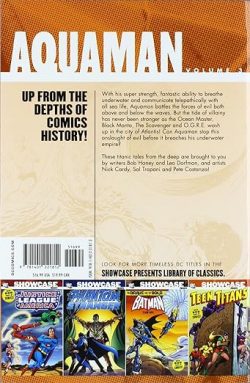
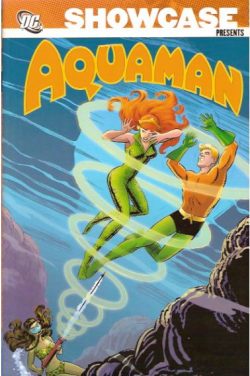
Showcase Presents Aquaman volume 3


By Bob Haney, Nick Cardy, Sal Trapani, Leo Dorfman & Pete Costanza & various (DC Comics)
ISBN: 978-1-4012-2181-2 (TPB)

We’re counting down to what augurs to be another Christmas movie megahit for DC, so let’s take a look at the lengthy history of page, screen, game and giant mutated seahorse…

Aquaman was one of a handful of costumed adventurers to survive the superhero collapse at the end of the Golden Age; a rather nondescript and genial guy who solved maritime crimes and mysteries when not rescuing fish and people from sub-sea disasters. Created by Mort Weisinger and Paul Norris, he first launched in More Fun Comics #73 (1941). Strictly a second stringer for most of his career he nevertheless continued on beyond many stronger features, illustrated by Norris, Louis Cazaneuve, Charles Paris, and latterly Ramona Fradon who drew every adventure from 1954 until 1960.

When Showcase #4 rekindled the public’s taste for costumed crimefighters with the advent of a new Flash, DC updated its small band of superhero survivors, especially Green Arrow and Aquaman. Records are incomplete, sadly, so often we don’t know who wrote what, but after the revamp fuller records survive and this third black and white collection starring the King of the Seven Seas has only two creative credit conundrums.

Now with his own title and soon to be featured in the popular, groundbreaking cartoon show Superman/Aquaman Hour of Adventure, the Finned Fury seemed destined for super-stardom. These joyously outlandish tales, reprinting issues #24-39, a Brave and the Bold team-up with The Atom (# 73) and a scarce-remembered collaboration from Superman’s Pal Jimmy Olsen #115 comfortably and rapturously mark the end of the wholesome, affable hero, laying groundwork for a grittily innovative run from revolutionary editor Dick Giordano and hot new talents Steve Skeates, Jim Aparo and Neal Adams…

Those are a treat for another time, but there’s entertainment a-plenty here beginning with Aquaman #24 (November/December 1965) by an uncredited author (Dave Wood, George Kashdan or Jack Miller are strong possibilities) and regular artistic ace Nick Cardy.

In ‘Aquaman: Save Our Seas!’, the titanic tussle with maritime malcontent The Fisherman found the new parents (the Sea King and Mera were the first 1960s superheroes to marry and have kids) almost fatally easily distracted when an alien plot threatens to destroy Earth’s oceans, whilst in #25, ‘The Revolt of Aquaboy!’ by Bob Haney & Cardy sees an ancient Chinese sorcerer rapid-age the proud parents’ newborn into a spiteful ungrateful teenager as part of a plot to subjugate the sunken city of Atlantis.

The entire world went spy-crazy in the first half of the Swinging Sixties and anonymous acronymic secret societies popped up all over TV, books and comics. With #26 (March/April 1966), Aquaman joined the party when seconded by the US government (even though absolute ruler of a sovereign, if somewhat soggy, nation) to thwart the sinister schemes of the Organisation for General Revenge and Enslavement in the still surprisingly suspenseful ‘From O.G.R.E. With Love!’

With Haney & Cardy firmly ensconced as creative team, thrilling fantasy became the order of the day in such power-packed puzzlers as #27’s ‘The Battle of the Rival Aquamen’ – wherein alien hunters unleash devious duplicates of the Sea King and his Queen – before #28’s ‘Hail Aquababy, New King of Atlantis!’ introduces rogue American geneticist Dr. Starbuck. He seeks to steal the throne with subtle charm, honeyed words… and a trained gorilla and eagle modified to operate underwater…

Archenemy Orm the Ocean Master returns to attack America – and the world – in tense undersea duel ‘Aquaman, Coward-King of the Seas!’, which also provides some startling insights into the hero and villain’s shared shadowy pasts as well as the requisite thrills and chills, after which ‘The Death of Aquaman’ proves to be a guest-star-studded spectacular of subterfuge, double-cross and alien intrigue. The very much alive Sea King then finds himself a fish trapped out of water when ‘O.G.R.E. Strikes Back!, attacking the United Nations!

Ocean Master’s obscured family connections clearly struck a chord with readers as he returns in #32 to unleash the ancient leviathan ‘Tryton the Terrible’ whilst the troublesome teenagers get a tacit acknowledgement of their growing importance with the introduction of Aqua-Girl in ‘Aqualad’s Deep-Six Chick!’ (stop wincing; they were simpler, more obnoxious times and the story itself – about disaffected youth being exploited by unscrupulous adults – is a perennial and worthwhile one).

Aquaman #34 featured another evil doppelganger ‘Aquabeast the Abominable’, typifying a new, harsher sensibility in storytelling. Even though the antagonists were still generally aliens and monsters, from now on they were far meaner, scarier aliens and monsters…

The Sea King teamed up with Justice League of America compatriot The Atom in The Brave and the Bold # 73 (August/September 1967) to tackle a microscopic marauder named ‘Galg the Destroyer’ in a taut drama written by Haney and illustrated by always impressive and vastly undervalued Sal Trapani, before returning to his home-title and another deadly clash with Ocean Master and ruthless nemesis Black Manta. Never afraid to tweak the comfort zone or shake up the status quo, Haney’s excellent tale ‘Between Two Dooms!’ epitomises the growing darker sensibilities of the title, resulting in all Atlanteans losing their ability to breathe underwater, leaving Aquaman’s subjects virtual prisoners in their own sub-sea city for years to come…

Now a TV star, Aquaman went from strength to strength as Haney & Cardy pulled out all the creative stops on such resplendent battles tales as ‘What Seeks the Awesome Three?’ – pitting the hero against mechanistic marauders Magneto (no relation), Claw and Torpedo-Man – and chillingly prophetic eco-drama ‘When the Sea Dies!’, due in no small part to villains Ocean Master and The Scavenger.

Closing out his volume are two more dark thrillers and a classic guilty pleasure. Firstly, Aquaman #38 introduced a relentless, merciless vigilante who accidentally set his sights on the Atlantean Ace in ‘Justice is Mine, Saith the Liquidator!’, before ‘How to Kill a Sea King!’ tells a tragic tale of an alien seductress set on splitting up the Royal Couple. The era and this collection end with a charming treat from scripter Leo Dorfman and artist Pete Costanza taken from Superman’s Pal Jimmy Olsen #115 (October 1968).

The greatest advantage of these big value monochrome compendia was the opportunity they offered, whilst chronologically collecting a character’s adventures, to include crossovers and guest spots from other titles. When the star is as long-lived and widely travelled as Aquaman, that’s an awful lot of extra appearances for a fan to find, so the concluding tale here – taken from a title cruelly neglected by today’s fans – is an absolute gold-plated bonus…

‘Survival of the Fittest!’ sees the mystical Old Man of the Sea attempt to replace Aquaman with the far more pliant cub reporter: never realising the lad is made of far sterner and more decent stuff than the demon could possibly imagine…

DC has a long, comforting history of genteel, innocuous yarn-spinning delivered with quality artwork. Haney & Cardy’s Aquaman is an all-but-lost run of classics worthy of far more attention than they’ve received of late. It is a total pleasure to find just how readable they still are. With tumultuous sea-changes in store for the Sea King, the comics industry and America itself, the stories in this book signal the end of one glorious era and the promise – or threat – of darker, far more disturbing days to come.
© 1965-1968, 2009 DC Comics. All Rights Reserved.
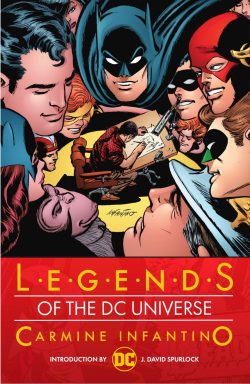
Batman: The Golden Age volume 1


By Bob Kane, Bill Finger, Gardner Fox, Whitney Ellsworth, Sheldon Moldoff, Jerry Robinson, George Roussos & various (DC Comics)
ISBN: 978-1-4012-6333-1 (TPB/Digital edition)
Win’s Christmas Gift Recommendation: Vintage Comic book Perfection… 10/10

Next year marks Batman’s 85th Anniversary and we’ll be covering many old and new books about the Dark Knight over the year. However, why not pre-load the noir wonderment with this perfect compilation of how it all began. It’s not too big – like an Omnibus edition – or too small – like a measly pamphlet comic book – and would therefore make an ideal gift for the fan in your life (and we all know I mean you, right…)?

Batman: The Golden Age re-presents the Gotham Guardian’s earliest exploits in original chronological order, forgoing glossy, high-definition paper and reproduction techniques in favour of a newsprint-adjacent feel and the same flat, bright-yet-muted colour palette which graced the originals. There’s no fuss, fiddle or Foreword, and the book steams straight into the meat of the matter with the accumulated first year and a half of material featuring the masked mystery-man, plus all those stunning covers spanning Detective Comics #27-45, Batman #1-3 and the Dynamic Duo’s story from New York World’s Fair Comics 1940. That cumulatively covers every groundbreaking escapade from May 1939 to November 1940.

As Eny Fule Kno, Detective #27 featured the Darknight Detective’s debut in the ‘Case of the Chemical Syndicate!’ by Bob Kane and as yet still anonymous close collaborator/co-originator Bill Finger.

A spartan, understated yarn introduced dilettante playboy criminologist Bruce Wayne, drawn into a straightforward crime-caper as a cabal of industrialists are successively murdered. The killings stop when an eerie figure dubbed “The Bat-Man” intrudes on Police Commissioner Gordon’s stalled investigation to ruthlessly expose and deal with the hidden killer.

The following issue saw the fugitive vigilante return to crush ‘Frenchy Blake’s Jewel Gang’ before encountering his very first psychopathic killer and returning villain in Detective Comics #29. Gardner Fox scripted these next few adventures beginning with ‘The Batman Meets Doctor Death’, in a deadly duel of wits with deranged, greedy general practitioner Karl Hellfern and his assorted instruments of murder: the most destructive and diabolical of which was sinister Asiatic manservant Jabah…

This is my cue to remind all interested parties that these stories were created in far less tolerant times with numerous narrative shortcuts and institutionalised social certainties expressed in all media that most today will find offensive. If that’s a deal-breaker, please pass on this book… and most literature, pop songs and films created before the 1960s…

Confident of their new villain’s potential, Kane, Fox and inker Sheldon Mayer encored the mad medic for the next instalment and ‘The Return of Doctor Death’, before Fox & Finger co-scripted a 2-part shocker debuting the first bat-plane, Bruce’s girlfriend Julie Madison and undead horror The Monk in an expansive, globe-girdling spooky saga. ‘Batman Versus the Vampire’ concluded the tale with an epic chase across Eastern Europe and a spectacular climax in a monster-filled castle in issue #32.

Detective #33 featured Fox & Kane’s ‘The Batman Wars Against the Dirigible of Doom’: a blockbusting disaster thriller which just casually slips in the secret origin of the grim avenger, as mere prelude to intoxicating air-pirate action, before Euro-trash dastard Duc D’Orterre finds his uncanny science and unsavoury appetites no match for the mighty Batman in ‘Peril in Paris’.

Bill Finger returned as lead scripter in issue #35, pitting the Cowled Crusader against crazed cultists murdering everyone who had seen their sacred jewel in ‘The Case of the Ruby Idol’ – although the many deaths are actually caused by a far more prosaic villain. Inked by new kid Jerry Robinson, grotesque criminal genius ‘Professor Hugo Strange’ debuted with his murderous man-made fog and lightning machine in #36, after which all-pervasive enemy agents ‘The Spies’ prove no match for the vengeful Masked Manhunter in DC #37.

Detective Comics #38 (April 1940) changed the landscape of comic books forever with the introduction of ‘Robin, The Boy Wonder’: child trapeze artist Dick Grayson – whose parents are murdered before his eyes – thereafter joins Batman in a lifelong quest by bringing to justice mobster mad dog Boss Zucco

After the Flying Grayson’s killers were captured, Batman #1 (Spring 1940) opened proceedings with a recycled origin culled from portions of Detective Comics #33 and 34. ‘The Legend of the Batman – Who He Is and How He Came to Be!’ by Fox, Kane & Moldoff delivers in two perfect pages what is still the best ever origin of the character, after which ‘The Joker’ (Finger, Kane & Robinson – who also produced all the remaining tales in this astonishing premiere issue) launches the greatest villain in DC’s pantheon via a stunning tale of extortion and wilful wanton murder.

‘Professor Hugo Strange and the Monsters’ follows as an old adversary returns, unleashing laboratory-grown hyperthyroid horrors to rampage through the terrified city whilst ‘The Cat’ – who later added the suffix ‘Woman’ to her name to avoid any possible doubt or confusion – plies her felonious trade of jewel thief aboard the wrong cruise-liner and falls foul for the first time of the dashing Dynamic Duo.

The initial issue ends with the ‘The Joker Returns’ as the sinister clown breaks jail to resume his terrifying campaign of murder for fun and profit before “dying” in mortal combat with the Gotham Guardians.

Following a superb pin-up (originally the back cover of that premier issue) of the Dynamic Duo by Kane, tense suspense and all-out action continues in Detective #39 and Finger, Kane & Robinson’s ‘The Horde of the Green Dragon’ – “oriental” Tong killers in Chinatown – after which ‘Beware of Clayface!’ sees the Dynamic Duo solving a string of murders on a film set which almost sees Julie Madison the latest victim of a monstrous movie maniac…

Batman and Robin solved the baffling mystery of a kidnapped boy in Detective #41’s ‘A Master Murderer’ before enjoying their second solo outing in a quartet of comics classics from Batman #2 (Summer 1940). It begins with ‘Joker Meets Cat-Woman’ (Finger, Kane, Robinson & new find George Roussos) wherein svelte thief, homicidal jester and a crime syndicate all tussle for the same treasure. with our Caped Crusaders caught in the middle.

‘Wolf, the Crime Master’ then offers a fascinating take on the classic Jekyll & Hyde tragedy after which an insidious and ingenious mystery ensues in ‘The Case of the Clubfoot Murderers’, before Batman and Robin confront uncanny savages and ruthless showbiz promoters in poignant monster story ‘The Case of the Missing Link’.

‘Batman and Robin Visit the New York World’s Fair’ comes from the second New York World’s Fair Comics. Finger, Kane & Roussos followed the vacationing Dynamic Duo as they track down a maniac mastermind with a metal-dissolving ray, after which Detective Comics #42 again finds our heroes ending another murderous maniac’s rampage in ‘The Case of the Prophetic Pictures!’ before clashing with a corrupt mayor in #43’s ‘The Case of the City of Terror!’

An unparalleled hit, Batman stories never rested on their laurels. The creators always sought to expand their parameters, as with Detective #44’s nightmarish fantasy of giants and goblins in ‘The Land Behind the Light!’. Then, Batman #3 (Fall 1940) has Finger, Kane, Robinson & Roussos rise to even greater heights, beginning with ‘The Strange Case of the Diabolical Puppet Master’: an eerie episode of uncanny mesmerism and infamous espionage…

A grisly scheme unfolds next as innocent citizens are mysteriously transformed into specimens of horror, and artworks destroyed by the spiteful commands of ‘The Ugliest Man in the World’ before ‘The Crime School for Boys!!’ registers Robin infiltrating a gang who have a cruel and cunning recruitment plan for dead-end kids…

‘The Batman vs. the Cat-Woman’ lastly reveals the larcenous lady in well over her head when she steals for – and from – the wrong people…

The issue also offered a worthy Special Feature as ‘The Batman Says’ presents an illustrated prose Law & Order pep-talk crafted by Whitney Ellsworth and illustrated by Robinson.

The all-out action concludes here with a magnificent and horrific Joker jape from Detective Comics #45 as ‘The Case of the Laughing Death’ displays the Harlequin of Hate undertaking a campaign of macabre murder against everyone who has ever defied or offended him…

With full Creator Biographies and comic covers by Kane, Robinson & Roussos plus all the other general action ones by Fred Guardineer & Creig Flessel (crafted before the superheroes took over the front page forever), this is a stunning monument to exuberance and raw talent. Kane, Robinson and their compatriots created an iconography which carried the Batman feature well beyond its allotted life-span until later creators could re-invigorate it. They added a new dimension to children’s reading – and their work remains captivatingly accessible.

These primal stories set the standard for comic superheroes. Whatever you like now, you owe it to these stories. Superman gave us the idea, but writers like Finger and Fox refined and defined the meta-structure of the costumed crime-fighter. Where the Man of Steel was as much Social Force and wish fulfilment hero, Batman and Robin did what we ordinary mortals wanted to do. They taught bad people the lessons they deserved…

These are tales of elemental power and joyful exuberance, brimming with deep mood and addictive action. Comicbook heroics simply don’t come any better. More than anything else, this book serves to perfectly recapture the mood and impact of a revolutionary masked avenger and, of course, delights my heavily concealed inner child no end.
© 1939, 1940, 2016 DC Comics. All Rights Reserved.
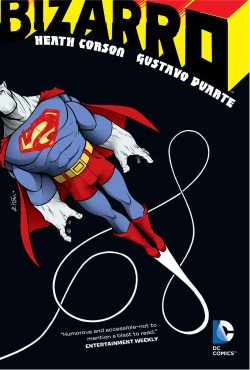
Bizarro


By Heath Corson, Gustavo Duarte, Pete Pantazis, Lee Loughridge & Tom Napolitano, with Bill Sienkiewicz, Kelley Jones, Michelle Madsen, Francis Manapul, Fábio Moon, Gabriel Bá, Darwyn Cooke, Raphael Albuquerque, Tim Sale, Dave Stewart & various (DC Comics)
ISBN: 978-1-4012-5971-6 (TPB/Digital edition)

One of the most consistent motifs in fiction is the “Dark Opposite” or “player on the other side”: a complete antithesis of the protagonist. Rock yourself to sleep at night if you wish, listing deadly doppelgangers from Professor Moriarty to Sabretooth to Gladstone Gander

The Caped Kryptonian’s “imperfect duplicate” Bizarro either debuted as a misunderstood freak and unwilling monster in Otto Binder & George Papp’s captivatingly tragic 3-part novel ‘The Battle with Bizarro’ (Superboy #68, cover-dated October 1958) or in the similarly titled Superman newspaper strip sequence written by Alvin Schwartz (episode 105/#6147-6242 spanning August 25th – December 13th 1958) with the latter scribe claiming that he thought up the idea months earlier. The newsprint version was certainly first to employ those eccentric reversed-logic thought-patterns and idiomatic speech impediment…

Although later played primarily for laughs, such as in his short tenure in Tales of The Bizarro World (June 1961 to Aug 1962 in Adventure Comics #285-299), most earlier comic book appearances – 40 by my count – of the dippy double were generally moving, child-appropriate tragedies, unlike here where we commemorate his 65th anniversary with possibly the funniest book of the last twenty years… at least if you’re a superhero fan.

Post Crisis on Infinite Earths, he was a darker, rarer beast, but this tale by screenwriter and comics scripter Heath Corson (Justice League: War, Nightwing/Magilla Gorilla, Super Pets: The Great Mxy-Up) & Gustavo Duarte (Monsters! & Other Stories, Guardians of the Galaxy, Dear Justice League) stems from DC’s brief New 52 continuity sidestep and refers almost exclusively to his earlier exploits and character.

Collecting 6-issue miniseries Bizarro and material from DC Sneak Peek: Bizarro #1, the saga starts as another misunderstood and deeply unappreciated visit to Metropolis – augmented by a new origin – sees the lonely, bored, eternally well-intentioned living facsimile teamed up with boy reporter Jimmy Olsen on a road-trip to “Bizarro-America” (we call it Canada)…

It’s ostensibly to prevent a disastrous super-battle but more importantly, someone suggested that the journey could provide enough candid material for a best-selling coffee table book that could liberate the eternally cash-strapped kid from his financial woes…

Jim’s certain he can handle the big super-doofus, but not so sure that applies to a pocket alien Bizarro picked up somewhere. After ‘The Secret Origin of Colin the Chupacabra’, the story truly starts with ‘Bizarro-America: Part 6’ and a weary ‘Welcome to Smallville’ where the need to fix the car leads to a clash with a dynasty of very familiar villains at King Tut’s Slightly Used Car Oasis. It all goes without incident until some other ETs give papa Tut a reality-altering staff and he seeks to achieve his great dream – selling everyone a used car…

Having navigated their way out of that bad deal, the Road Worriers further embarrass themselves in ‘Bizarro-America: Part 5’ with stopovers and pertinent guest stars in Gotham, Central, Starling and Gorilla City, before doing more of the same in Louisiana, Chicago and all points lost. Somewhere along the way they pick up a tail and in seeking to ditch their pursuers drive into Ol’ Gold Gulch: a ghost town with real spooks and a distant descendant of a legendary gunfighter. Chastity Hex is a bounty hunter too, which comes in handy when Bizarro is possessed by an evil spirit in ‘Unwanted: Unliving or Undeaded’ and a destructive rampage triggers the spectral return of great grandpa Hex as well as Cinnamon, Nighthawk, Scalphunter and El Diablo

Another issue (‘Bizarro-America: Part 3’ if you’re still counting) and another city sees the automotive idiots catching mystic marvel Zatanna’s act in ‘Do You Believe in Cigam?’ and fresh disaster as Bizarro’s backwards brain allows him to accidentally access the sorceress’ backwards spells, prompting diversions to many, many alternate DC realities and Jimmy and Bizarro trading bodies (sort of) before order – if not sanity – is restored…

As they near their final destination, the covert shadows finally move in. A.R.G.U.S. agents Stuart “chicken Stew” Paillard and Meadows Mahalo get their X-Files on: compelling the travellers to infiltrate Area 51, but aren’t happy with the outcome once the idiots unleash every alien interned or interred there…

Ultimately the voyage concludes with ‘Bizarro-America: Part 1’ and long-deferred meeting with Superman (drawn by Tim Sale & Dave Stewart) in ‘Who Am on Last?’ The last of the Tuts returns for another stab at vengeance and high-volume marketing and as chaos reigns Colin comes up trumps, before assorted former guests coagulate as the never to be reformed Bizarro League to save the world in a way it has never been saved before.

All that’s left is to get Bizarro into Canada but there’s one last surprise in store…

This outrageous romp is punctuated with a round-robin of guest illustrators (Bill Sienkiewicz, Kelley Jones, Michelle Madsen, Francis Manapul, Fábio Moon, Gabriel Bá, Darwyn Cooke, Raphael Albuquerque and more) adding to the manic madness via their signature characters, and a variant cover gallery provides more boffo yoks courtesy of Kyle Baker and Kevin Wada. Topping off the fun is an unmissable sketch section by Duarte, packed with many scenes and moments somebody was too nervous to publish…

Fast, funny, fantastic and far too long forgotten, Bizarro is a superb romp that would make a magnificent movie. Do not miss it.
© 2015, 2016 DC Comics. All Rights Reserved.
Showcase Presents Superman volume 3


By Otto Binder, Jerry Siegel, Robert Bernstein, Bill Finger, Jerry Coleman, Edmond Hamilton, Leo Dorfman, Jack Schiff, Wayne Boring, Al Plastino, Curt Swan, Kurt Schaffenberger, Jim Mooney, George Papp, Sheldon Moldoff & various (DC Comics)
ISBN: 978-1-4012-1271-1 (TPB)

Superman has proven to be all things to all fans over his decades of existence, and with the character currently undergoing another radical overhaul, these timeless tales of charm, joy and wholesome wit are more necessary than ever: not just as a reminder of great tales of the past but as an all-ages primer of the wonders still to come…

At the time these tales were published The Metropolis Marvel was enjoying revived interest. Television cartoons, a rampant merchandising wave thanks to the Batman-led boom in “camp” Superheroes generally, highly efficient global licensing and even a Broadway musical: all worked to keep the Last Son of Krypton a vibrant icon of Space-Age America.

Although we think of Jerry Siegel & Joe Shuster’s iconic invention as the epitome of comic book creation, in truth soon after his launch in Action Comics #1 he became a multimedia star and far more people have enjoyed the Man of Steel than have ever read him. By the time his 20th anniversary rolled around, Superman was a regular on radio, astounding animated cartoons, two movie chapter-plays and a feature film, and had just ended his first smash-hit live-action television serial. In his future were many more; a stage musical; a franchise of cinematic blockbusters and a seamless succession of TV cartoons, starting with The New Adventures of Superman in 1966. Even Krypto got in on the small-screen act…

It’s no wonder then that tales from this Silver Age period should be so draped in wholesome trappings of “Tinseltown” – even more so than most of celebrity-obsessed America. It didn’t hurt that editor Whitney Ellsworth was a part-time screenwriter, script editor and producer as well as National/DC’s Hollywood point man. His publishing assistant Mort Weisinger – a key factor in the vast expansion of the Kryptonian mythos – also had strong ties to the cinema and television industries, beginning in 1955 when he became story-editor for the blockbusting Adventures of Superman TV show.

This third magnificent monochrome chronicle collects the contents of Action Comics #276-292, Superman #146-156 and excerpts from Superman Annuals #3-5, spanning May 1961 to October 1962; taking its content from the early 1960’s canon (when the book’s target audience would have been actual little kids) yet showcasing a rather more sophisticated set of tales than you might expect…

Wide-eyed wonderment commences with Action Comics #276’s ‘The War Between Supergirl and the Superman Emergency Squad’ by Robert Bernstein, Wayne Boring & Stan Kaye. Here, Superman is conned into revealing his secret identity and resorts to incredible measures to make a swindler disbelieve his eyes, after which #277 presented ‘The Conquest of Superman!’ (Bill Finger, Curt Swan & John Forte): another brilliantly brutal duel against super-scientist Lex Luthor.

Superman #146 (July 1961) offered ‘The Story of Superman’s Life’ relating more secrets by recapitulating Clark Kent’s early days in a captivating resumé. Covering all the basics, Otto Binder & Al Plastino share the death of Krypton, rocket-ride to Earth, early life as Superboy, death of the Kents and moving to Metropolis. Closing, ‘Superman’s Greatest Feats’ (Jerry Siegel & Plastino) sees the Man of Tomorrow travel into Earth’s past and seemingly succeed in preventing such tragedies as the sinking of Atlantis, slaughter of Christians in Imperial Rome, deaths of Nathan Hale, Abraham Lincoln and Custer and even the death of Krypton’s population. Of course it is too good to be true…

Action #278 featured ‘The Super Powers of Perry White!’ (Jerry Coleman, Swan & Kaye) with the senescent editor suddenly gaining superpowers and an inexplicable urge to conquer the world. In Superman #147 ‘The Great Mento!’ – Bernstein & Plastino – a mystery mind-reader threatens to expose the hero’s secret identity. ‘Krypto Battles Titano’ (Siegel & Plastino) finds the wandering Dog of Steel voyaging back to the Age of Dinosaurs to play before inadvertently saving humanity from alien invasion alongside the Kryptonite-mutated giant ape. The issue closed with ‘The Legion of Super Villains’ (Siegel, Swan & Sheldon Moldoff): a landmark adventure and stand-out thriller featuring Lex Luthor and the adult Legion of Super-Heroes overcoming certain death with valour and ingenuity.

This was followed by Swan’s iconic cover for Superman Annual #3 (August 1961); the uncredited picture-feature Secrets of the Fortress of Solitude and a superb back-cover pin-up.

The author of Action #279’s Imaginary Story ‘The Super Rivals’ is regrettably unknown but John Forte’s sleekly comfortable art happily limns the wild occurrence of legendary heroes Samson and Hercules brought to the 20th century by Superman to marry Lois Lane and Lana Lang, to keep them out of his hair! In #280 Brainiac’s Super Revenge’ (Siegel, Swan & Kaye) returns that time-lost villain to our era and attacking the Man of Steel’s friends, only to be foiled by guest-star Congorilla (veteran Action Comics hero Congo Bill, who traded consciousness with a giant Golden Gorilla). Imaginary Stories were conceived as a way of exploring non-continuity plots and scenarios devised at a time when editors believed that entertainment trumped consistency and knew that every comic read was somebody’s first…

When Editor Weisinger was expanding Superman continuity and building a legend, he knew each new tale was an event adding to a nigh-sacred canon: that what was written and drawn mattered to readers. However, the ideas man wasn’t going to let aggregated “history” stifle a good plot situation, nor would he allow his eager yet sophisticated audience to endure clichéd deus ex machina cop-outs to mar the sheer enjoyment of captivating concepts. The mantra known to every fan was “Not a Dream! Not a Hoax! Not a Robot!”: emblazoned on covers depicting scenes that couldn’t possibly be true – even if it was only a comic book.

Superman #148 opened with Edmond Hamilton, Swan & Moldoff’s  ‘The 20th Century Achilles’, wherein a cunning crook makes himself immune to harm, after which ‘Mr. Mxyzptlk’s Super Mischief’ (Siegel, Swan & Moldoff) again finds the 5th dimensional pest using magic to cause irritation after legally changing his name to something even easier to pronounce, whilst the delightfully devilish ‘Superman Owes a Billion Dollars!’ written by Bernstein – depicts the Caped Kryptonian’s greatest foe: a Revenue agent who diligently discovers that the hero has never paid a penny of tax in his life…

Action Comics #281 features ‘The Man Who Saved Kal-El’s Life!’ (Bernstein & Plastino), relating how a humble Earth scientist visited Krypton and cured baby Superman, all wrapped up in a gripping duel with a modern crook able to avoid Superman’s every effort to hold him, whilst in Superman #149, ‘Lex Luthor, Hero!’, ‘Luthor’s Super-Bodyguard’ and ‘The Death of Superman’ (Siegel, Swan & Moldoff) form a brilliant extended Imaginary saga describing the insidious inventor’s ultimate victory over the Man of Steel.

In “real” continuity, Action #282 shares ‘Superman’s Toughest Day’ (Finger & Plastino) as Clark Kent’s vacation only reveals how his alter ego never really takes it easy, before #283’s ‘The Red Kryptonite Menace’ (Bernstein, Swan & Kaye) follows Chameleon Men from the 30th century afflicting the Action Ace with incredible new powers and disabilities after exposing him to a variety of Crimson K chunks.

Superman #150 opened with ‘The One Minute of Doom’ – Siegel & Plastino – disclosing how all survivors of Krypton – even Superdog – commemorate the planet’s destruction, before Bernstein & Kurt Schaffenberger’s ‘The Duel over Superman’ finally sees Lois and Lana Lang teach the patronising Man of Tomorrow a deserved lesson about his smug masculine complacency.

Siegel, Swan & Kaye then baffle readers and Action Ace alike ‘When the World Forgot Superman’, in a clever and beguiling mystery yarn, followed here by extracts from Superman Annual #4 (January 1962): the stunning cover and featurette The Origin and Powers of the Legion of Super-Heroes by Swan & George Klein.

Action #284 featured ‘The Babe of Steel’ (Bernstein, Swan & Klein) wherein Superman endures humiliation and frustration after deliberately turning himself into a toddler – but there’s a deadly serious purpose to the temporary transformation…

Superman #151 opens with Siegel & Plastino’s salutary story ‘The Three Tough Teen-Agers!’ wherein the hero sets a trio of delinquents back on the right path, after which Bernstein, Swan & Klein’s ‘The Man Who Trained Supermen’ sees Clark expose a crooked sports trainer. ‘Superman’s Greatest Secret!’ is almost revealed after battling a fire-breathing dragon which survived Krypton’s doom in a stirring tale by Siegel, Swan & Klein: probably one of the best secret-identity-saving stories of the period…

Since landing on Earth, Supergirl’s existence had been a closely guarded secret, allowing her time to master her formidable abilities. These tales were presented to the readership monthly as a back-up feature in Action Comics. However with #285, ‘The World’s Greatest Heroine!’ finally goes public in the Superman lead spot, after which the Girl of Steel defeats ‘The Infinite Monster’ in her own strip. Supergirl became the darling of the universe: openly saving the planet and finally getting credit for it in stirring tales by Siegel & Jim Mooney.

Action #286 offered mini-epic ‘The Jury of Super-Enemies’ (Bernstein, Swan & Klein) as the Superman Revenge Squad inflicts Red K hallucinations on the Man of Steel: tormenting him with visions of Luthor, Brainiac, the Legion of Super-Villains and other evil adversaries. The saga continued in the next issue, but before that Superman #152 appeared, with a surprising battle against ‘The Robot Master’ (Siegel, Swan & Klein), charmingly outrageous romp ‘Superbaby Captures the Pumpkin Gang!’ (Leo Dorfman & George Papp) and ‘The TV Trap for Superman!’, a devious crime caper by Finger & Plastino with the hero unwittingly wired for sound and vision by a sneaky conman…

The Revenge Squad thriller concluded in #287’s ‘Perry White’s Manhunt for Superman!’ (Bernstein, Swan & Klein) as an increasingly deluded Man of Tomorrow battles his worst nightmares and struggles to save Earth from a genuine alien invasion.

Finger & Plastino’s ‘The Day Superman Broke the Law!’ opened Superman #153, as a wily embezzler entangles the Metropolis Marvel in small-town red tape before ‘The Secret of the Superman Stamp’ (Edmond Hamilton, Swan & Klein) sees a proposed honour for good works turned into a serious threat to the hero’s secret identity…

‘The Town of Supermen’ by Siegel & Forte, then finds the Man of Tomorrow in a western ghost town in a deadly showdown against ten Kryptonian criminals freshly escaped from the Phantom Zone…

The growing power of the silver screen informed ‘The Man Who Exposed Superman’ (Action #288 by writer unknown and Swan & Klein) as a vengeful convict originally imprisoned by Superboy attempts to expose the hero’s identity by blackmailing him on live television. The Super-Practical Joker!’ (#289 by Dorfman & Plastino) sees Perry White forced to hire obnoxious trust-fund brat Dexter Willis: a spoiled kid whose obsessive stunts almost expose Superman’s day job.

Opening Superman #154, Hamilton, Swan & Klein’s ‘The Underwater Pranks of Mr. Mxyzptlk’ see the insane sprite return, resolved to cause grief and stay for good by only working his jests whilst submerged, after which ‘Krypton’s First Superman’ (Siegel, Swan & Klein) tells a lost tale of baby Kal-El on there that has unsuspected psychological effects on the full-grown hero. Next comes an example of the many public service announcements running in all DC’s 1960’s titles. ‘Superman Says be a Good Citizen’ was probably written by Jack Schiff and definitely illustrated by Sheldon Moldoff.

Exposure to a Red Kryptonite comet in Action #290 sees him become ‘Half a Superman!’ in another sadly uncredited story illustrated by Swan & Klein, after which Superman Annual #5 (July 1962) offers another stunning cover and displays the planetary Flag of Krypton, whilst Superman #155 featured  2-chapter ‘Superman Under the Green Sun’ and ‘The Blind Superman’ by Finger, Wayne Boring & Kaye, as the Man of Steel is trapped on a totalitarian world where his powers don’t work. Blinded as part of the dictator’s policy to keep the populace helpless, even sightless, nothing stops the hero from leading the people to victory. As if that wasn’t enough Siegel, Swan & Klein then debut showbiz thriller ‘The Downfall of Superman!’ with a famous wrestler seemingly able to defeat the Action Ace – albeit with a little help from some astounding guest-stars…

‘The New Superman!’ (Bernstein & Plastino, Action #291) sees the Metropolis Marvel lose his deadly susceptibility to Kryptonite, only to have it replaced by aversions to far more commonplace minerals, whilst #292 reveals ‘When Superman Defended his Arch Enemy!’ – an anonymous thriller illustrated by Plastino – which has the hero save Luthor from his just deserts after “murdering” alien robots…

The grand excursion into comics nostalgia ends with one of the greatest Superman stories of the decade. Issue #156, October 1962, featured Hamilton, Swan & Klein’s novel-length saga ‘The Last Days of Superman’ which began with ‘Superman’s Death Sentence’ as the hero contracts deadly Kryptonian Virus X and goes into a swift and painful decline. Confined to an isolation booth, he’s visited by ‘The Super-Comrades of All Times!’ who attempt cures and swear to carry on his works… until a last-minute solution is disclosed on ‘Superman’s Last Day of Life!’ This tense and terrifying thriller employed the entire vast and extended supporting cast that had evolved around the most popular comic book character in the world and still enthrals and excites in a way few stories ever have…

As well as containing some of the most delightful episodes of pre angst-drenched, cosmically catastrophic DC, these fun, thrilling, mind-boggling and yes, occasionally deeply moving all-ages stories also perfectly depict the changing mores and tastes which reshaped comics between the safely anodyne 1950s to the seditious, rebellious 1970s, all the while keeping to the prime directive of the industry: “keep them entertained and keep them wanting more”.

I know I certainly do.
© 1961, 1962, 2007 DC Comics. All Rights Reserved.
Tiny Titans volume 1: Welcome to the Clubhouse


By Art Baltazar & Franco (DC Comics)
ISBN: 978-1-4012-2207-5 (TPB/Digital edition)

The links between animated features and comic books are long established and, for young consumers, indistinguishable. After all, it’s just entertainment in the end…

For quite some time at the beginning of this century, DC’s Cartoon Network imprint was arguably the last bastion of children’s comics in America and worked to consolidate that link between TV and 2D fun and thrills with stunning interpretations of such television landmarks as Ben 10, Scooby Doo, Powerpuff Girls, Dexter’s Laboratory and so many other screen gems.

The kids’ comics line also produced some truly exceptional material based on TV iterations of the publisher’s proprietary characters such as Legion of Super Heroes, Batman: Brave and the Bold and Krypto the Super Dog as well as material like Billy Batson and the Magic of Shazam! which was merely similar in tone and content. Perhaps the line’s finest release was a series ostensibly aimed at early-readers but which quickly became a firm favourite of older fans and a multi-award winner too.

Superbly mirroring the magical wonderland inside a child’s head where everything is happily all smooshed up together, Tiny Titans became a sublime antidote to continuity cops and slavish fan-boy quibbling (all together now: “… erm, uh… I think you’ll find that in…”) by reducing the vast cast of the Teen Titans Go! animated series, the far greater boutique of the mainstream comics – and eventually the entire DC Universe continuity – to little kids and their parents/guardians in a wholesome kindergarten environment.

It’s a scenario spring-loaded with multi-layered in-jokes, sight-gags and the beloved yet gently mocked trappings and paraphernalia generations of strip readers and screen-watchers can never forget…

Collecting issues #1-6 (cover-dated April to September 2008) of a magically madcap, infinitely addictive all-ages mini-masterpiece, this debut volume begins after an as-standard identifying roll-call page at ‘Sidekick City Elementary’ where new Principal Mr. Slade is revealed to be not only Deathstroke the Terminator but also poor little Rose’s dad! How embarrassing…

Art Baltazar and co-creator Franco (Aureliani) pioneered and mastered a witty, bemusingly gentle manner of storytelling that just happily rolls along, with the assorted characters getting by, trying to make sense of the great big world while having “Adventures in Awesomeness”. A primal example is Beast Boy getting a new pet and becoming Man’s Dog’s Best Friend’

The method generally involves stringing together smaller incidents and moments into an overarching themed portmanteau tale… and it works astoundingly well.

Back in class Robin and Kid Flash tease a fellow student in ‘Speedy Quiz’ whilst ‘Meanwhile in Titans Tower’ (the treehouse of the title) finds Wonder Girl, Bumblebee, Raven and Starfire discussing whether to let Batgirl Barbara Gordon join their circle…

Later everyone meets up and helps scary blob Plasmus cope with an ice cream crisis but shocks still abound at school. Raven’s dad is an antlered crimson devil from another universe, but his most upsetting aspect is as the new substitute teacher!

Happily, however, at the treehouse the kids can forget their worries, as Wonder Girl Cassie’s new casual look – after initial resistance – wins many admirers among the boys…

The original comics were filled with activity pages, puzzles and pin-ups, so ‘Help Best Boy Find his Puppy Friend!’ and awesome group-shot ‘Awwwww Yeah Titans!!!’ offers an arty interlude before shenanigans resume with ‘Ow’ as new girl Terra persists in throwing rocks at the boys yet knows just how to make friends with the girls…

Not so much for the little lads though: they’ve got into another confrontation with mean kids Fearsome Five. Apparently the only way to determine who wins is to keep ‘Just a-Swingin’ – and ignore those bullies…

After teeny-weeny Little Teen Titan Kid Devil finds a delicious new way to use his heat power, Beast Boy becomes besotted by Terra in ‘Shadows of Love’, even though his obvious affection makes him act like an animal. While ‘Easy Bake Cyborg’ saves the day at snack time, the lovesick green kid follows some foolish advice and transforms into a ‘Beast Boy of Steel’…

At least Kid Devil is making friends, providing ‘Charbroiled Goodness’ for a local food vendor, just as the Fearsome Five show up again…

Following a pin-up of the bad kids and a brainteaser to ‘Match the Tiny Titans to their Action Accessories!’, a new school day finds science teacher Doctor Light losing control in ‘Zoology 101’ thanks to Beast Boy’s quick changes, after which ‘Sidekick’s Superheroes’ debate status and origins whilst Rose’s ‘Li’l Bro Jericho’ causes chaos and closes the school for the day.

When Robin brings some pals home, Alfred the Butler is reluctant to let them check out the ‘Batcave Action Playset’. He should have listened to his misgivings: that way there wouldn’t be so much mess or so many penguins…

After Aqualad’s suggestion ‘Let’s Play: Find Fluffy!’ the Boy Wonder has the strangest day, starting with ‘Robin and the Robins’ and culminating in a new costume. Before that though, you can see ‘Beast Boy at the Dentist’, Wonder Girl enduring a ‘Babysittin’ Baby Makeover’, meet ‘Beast Boy’s Prize’ and experience hair gone wild in ‘Do the “Do”’. Eventually, however, ‘It’s a Nightwing Thing’: revisiting the exotic yesteryears of disco mania as new outfits debut to mixed reviews and reactions…

Once done testing your skill with the ‘Tiny Titans Match Game!’ and admiring a ‘Little Tiny Titans Bonus Pin-up’ there are big thrills in store when ‘Playground Invaders’ introduces annoying Titans from the East side of the communal games…

Sadly, Fearsome Five are still around to tease the former Robin in ‘Nightwing on Rye’ even whilst ongoing epic ‘Enigma and Speedy’ sees the Boy Bowman trapped in a very one-sided battle of wits with the Riddler’s daughter…

Robin’s costume crises continue to confuse in ‘May We Take a Bat-Message?’, resulting in a kid capitulation and ‘Back to Basics’ approach to the old look, after which ‘Tiny Titans Joke Time!’ and a ‘Tiny Titans East Bonus Pin-up’ segues neatly into ‘Meet Ya, Greet Ya’ with newcomers Supergirl and Blue Beetle turning up just ahead of a host of wannabee Titans (Power Boy, Zatara, Vulcan Jr., Hawk & Dove, Li’l Barda and Lagoon Boy)…

With the riotous regulars away camping, Raven opens her eyes to a potential daybreak disaster as ‘Home with the Trigons’ finds her dressed by her dad for a change. Meanwhile, ‘Let’s Do Lunch’ finds Blue Beetle losing a very public argument with his backpack, and after the kids bring their super-animal pals in, everything goes horribly wrong. At least they decide that the “First Rule of Pet Club is: We Don’t Talk About Pet Club”…

This insanely addictive initial collection wraps up with visual and word puzzles ‘How Many Beast Boy Alpacas Can You Count?’ and ‘Blue Beetle Backpack Language Translation!’, a huge and inclusive Pin-up of ‘The Tiny Titans of Sidekick City Elementary’ and a hilarious ‘Tiny Titans “Growth Chart”

Despite ostensibly being aimed at super-juniors and TV kids, these wonderful, wacky yarns – which marvellously marry the heart and spirit of such classic strips as The Perishers or Peanuts with something uniquely mired and marinated in pure American comic-bookery – are outrageously unforgettable yarns and gags no self-respecting fun-fan should miss: accessible, entertaining, and wickedly intoxicating.
© 2008, 2009 DC Comics. All Rights Reserved.
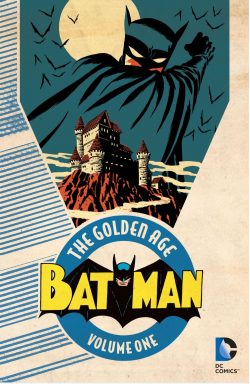
Blue Beetle Graduation Day


By Josh Trujillo & Adrián Gutiérrez, with Wil Quintana, Lucas Gattoni & various (DC Comics)
ISBN: 978-1-7795-2324-2 (TPB/Digital edition)

As the most recent incarnation of the vintage and venerable Blue Beetle brand at last makes the jump from comic book limbo and kids’ animation into live action movie madness, the event sparked a new comics miniseries bridging the teen hero’s old life and new comic book series. Here that is…

The Blue Beetle first appeared in Mystery Men Comics #1, published by Fox Comics and cover-dated August 1939. The eponymous lead character was created by Charles Nicholas (AKA Charles Wojtkowski) as a pulp-styled mystery man and born nomad. Over years and crafted by a Who’s Who of extremely talented creators, the Beetle was also inexplicably popular and hard to kill: surviving the collapse of numerous publishers before ending up as a Charlton Comics property in the mid-1950s.

After a few issues sporadically published, the company shelved him until the superhero revival of the early 1960s when Joe Gill, Roy Thomas, Bill Fraccio & Tony Tallarico revised and revived the character in a 10-issue run (June 1964, February 1966). Cop-turned-adventurer Dan Garrett was reinvented an archaeologist, educator and scientist who gained super-powers whenever he activated a magic scarab with the trigger phrase “Khaji Da!”

Some months later, Steve Ditko (with scripter Gary Friedrich) utterly reimagined the Blue Beetle. Ted Kord was an earnest and brilliant young researcher who had been a student and friend of Professor Garrett and when his mentor seemingly died in action, Kord trained himself to replace him: a purely human inventor/combat acrobat, bolstered by ingenious technology. This latter version joined DC’s pantheon during Crisis on Infinite Earths, earning a solo series and quirky immortality partnered with Booster Gold in Justice League International and beyond…

When Kord was murdered in the run up to Infinite Crisis, it led to all-out war across realities and at the height of the linked catastrophes El Paso high-schooler Jaime Reyes found a weird blue jewel shaped like a bug. That night, as he slept, it invaded him and turned him into a bizarre insectoid warrior. suddenly gifted with great powers, and revealed how some heroes are remade, not born – especially when a sentient scarab jewel affixes itself to your spine and transforms you into an armoured bio-weapon. Almost instantly, he was swept up in the chaos, joining Batman and other heroes in a climactic space battle.

Inexplicably returned home, Jaime revealed his secret to his family and tried to do some good in his hometown but had to rapidly adjust to huge changes. Best bud Paco had joined a gang of super-powered freaks, he learned the local crime mastermind was the foster-mom of his other best bud Brenda, and scary military dude named Christopher Smith (The Peacemaker) started hanging around. He claimed the thing in Jaime was malfunctioning alien tech, not life-affirming Egyptian magic that he also had an unwelcome and involuntary connection to…

That led to a secret war against an alien collective of conquerors called the Reach whose shady dealings and defeat have been covered in Blue Beetle: Jaime Reyes volumes One & Two. You should get those also.

Gathering Blue Beetle: Graduation Day #1-6 (cover-dated January to June 2022), and including an excerpt from the new Blue Beetle series it leads into, this collection is also quite rightly available in a Spanish language edition.

In an effort to maximise your fun and save time let’s briefly hit the high notes here.

Crafted by scripter Josh Trujillo (Adventure Time, Captain America, Rick & Morty), illustrator Adrián Gutiérrez (Batman, The Flash), colourist Wil Quintana and letterer Lucas Gattoni, ‘Graduation Day’ is set following recent DC megaevent Dark Crisis on Infinite Earths with our neophyte champion at long last getting a handle on his other life. He’s even become pals with his sentient passenger bug Khaji Da, allowing them to seamlessly work together.

With school days practically done, as the story opens Jaime is currently wrecking downtown El Paso battling magical thief Fadeaway and worrying about his non-superhero future. After almost missing his own graduation ceremony, Reyes suddenly finds it all going wrong again when he receives a terrifying vision of The Reach and loses control, uncontrollably shifting to his blue battle form…

His family share his secret, but aren’t happy about it and when he returns to his own party hours later, the festivities are long over and his furious mother wants to know what he’s doing with his life. So does Superman, who “just” popped by to see if the alien conquerors had regained control of their greatest weapon…

Intel confirms that The Reach are coming back and the (adult) superhero community feels it might be prudent if Jaime doesn’t use his powers for the foreseeable future…

Benched, grounded, jobless and not destined for college any time soon, the frustrated lad is summarily packed off to toil in his aunts’ diner in Palmera City, but fate has other plans. Repeatedly targeted by extremely Reach-like and savage Beetle-morphs Dynastes and Nitida, BB is forced to fight back until the Justice League shut him down again…

Some salvation comes when mentor Ted and his terrifying older smarter sister Victoria Kord offer him an (unpaid!) internship at Kord Industries. Ted is laid back and cool but Jaime can’t stop thinking how Victoria has the largest collection of alien tech on Earth and keeps looking at him funny…

As Beetle catastrophes keep coming, Reyes and still-on-the-fritz Khaji Da encounter a splinter faction of The Reach. Unable to trust The Horizon, they instead put themselves in the hands of Teen Titans Starfire, Cyborg and their allies. At least they can keep Batman and his private superhero goon squad off their collective shiny blue buggy back. Or Not…

And that’s when Paco and Brenda show up, begging Jaime to help their new best buddy Fadeaway. That does not go well…

With imminent doom encroaching and everybody telling him what” they” should do, Jaime and Khaji Da finally unlock the root problem that’s been jamming them up, consequently evolving into whole new Blue Beetle able and ready to fix their own problems…

And that’s when the aliens all come screaming into Earth’s atmosphere…

An enticing extra offers an extract and sneak peek from the new Blue Beetle #1 (‘Scarab War!’) due for release in September 2023, before a gallery of covers and variants by Cully Hamner, Rafael Albuquerque, David Marquez & Alejandro Sánchez, Ramon Villalobos, Gutiérrez & Quintana, Joe Quinones, Chokoo!, Danny Miki & Ivan Plascencia, Serg Acuña, Ricardo López Ortiz, Baldemar Rivas, Daniel Sampere & Alejandro Sánchez, Bruno Redondo, Jorge Corona & Sarah Stern segue into an extensive and expansive sketch gallery from Gutiérrez.

Here’s another smart, fast and joyous fun ride to delight fans of comics and other, lesser, media forms. So few series combine action and adventure with all-out fun and genuine wit, or can evoke shattering tragedy and poignant loss on command. Now read this even before you wallow in film fun…
© 2022, 2023 DC Comics. All Rights Reserved.