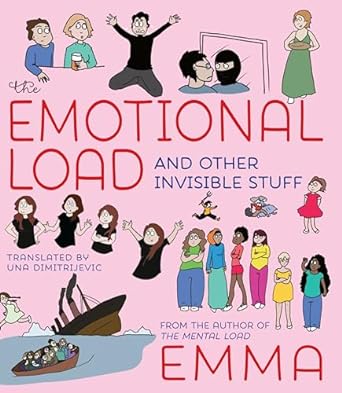
The Emotional Load and Other Invisible Stuff


By Emma, translated by Una Dimitrijevic (Seven Stories Press)
ISBN: 978-1-60980-956-0 (TPB) eISBN: 978-160980-957-7

It has never been a fair world, although it’s a concept we all apparently aspire to create – at least in public. In recent years, many people have sought to address imbalances between the roles and burdens of men and women in a civil cohesive society, but the first problem they all hit was simply how to state the problems in terms all sides could understand and would accept. We have a lot more names and concepts to utilise now in discourse, but none of the difficulties seem to have diminished…

In 2018, software engineer, cartoonist and columnist Emma crafted a book of strips reflecting upon social issues particularly affecting women and dissecting The Mental Load – all the unacknowledged, unavoidable unpaid invisible crap that makes up and comes with almost all modern relationships and revealing how most of that overwhelming, burdensome life-tonnage inescapably settles on one side of the bed in most households…

The book – and the strips from it published in The Guardian – caused quite a commotion and as much whiny, pseudo-scientific, apologist and – let’s be frank and use a pejorative term – bitchy trollish kickback as you’d expect from all the old familiar places, so she came back with further explanations and revelations in searingly brilliant follow-up The Emotional Load and Other Invisible Stuff.

Because a large proportion of privileged humans who won the genital lottery don’t really give a damn about other people’s woes – especially if the food keeps coming and the appropriate drawers magically refill with clean clothes and groceries – I fear there’s a segment of truly needful folk who won’t benefit from Emma’s treatises, anecdotes, statistics and life-changing stories, but since many guys are honestly clueless and baffled but say they’re willing to adapt, maybe enough of us will give pause and thought a chance.

Best of all, most women reading this will realise it’s not just them feeling the way they do and might risk starting a conversation with their significant others, or at the very least, talk to other women and organise together…

Working in the manner of the very best observational stand-up comedy, Emma forensically identifies an issue prior to dissecting it: offering advice, suggestions and a wearily humorous perspective. Here that’s subdivided into chapters opening with personally autobiographical essay ‘It’s Not Right, But…’, wittily exploring the concept of consent for women and revealing how, at age 8, Emma first learned it was regarded as perfectly normal for men to bother girls…

That debate over sexual independence and autonomy in established relationships is then expanded in ‘A Role to Play’ before seemingly diverging off topic (but don’t be fooled) with ‘The Story of a Guardian of the Peace’. This cartoon saga traces the life of honest cop Eric and how he fared over years of trying to treat suspects and villains as fellow human beings in a system expressly created to suppress all forms of dissent and disagreement.

The oppressive demarcation of family duties and necessary efforts are then dissected into Productive and Reproductive Labor roles via the salutary example of Wife & Mother ‘Michelle’

‘The Power of Love’ deftly explores how women are implicitly expected to police the emotional wellbeing of all those around them, and the crushing affect that unasked-for burden has on mental wellbeing before the irrelevant and shabbily sanctimonious “not all men” defence resurfaces – and is potently sent packing – in ‘Consequences’, with a frankly chilling reckoning of the so-different mental preparations needed for men and women to go about their daily, ordinary lives…

As previously stated The Mental Load caused many ructions when it first gained popular attention and ‘It’s All in Your Head’ deftly summarises reactions, repercussions, defanging, belittlement, dismissal and ultimate sidelining of those revelations – particularly in relation to sexual choice and autonomy – with a barrage of damning quotes from France’s political and industrial elites. ‘Sunday Evenings’ then traces the history of work by oppressed underclasses – like women – and the gaslighting head games employed to keep all toilers off-balance, miserable and guilt-crushed and comfortably, beneficially oppressed.

These hopefully life-altering cartoon lectures conclude with an exposé of the most insidious form of social oppression as ‘Just Being Nice’ outlines tactics and effects of sneakily debilitating Benevolent Sexism; and yes, old gits from my generation – including me – thought it was okay to do it if we called it “chivalry” or “gallantry”…

Reinforced and backed up by a copious ‘Bibliography’ for further research (and probably fuelling some more carping niggles from unrepentant buttheads) and packed with telling examples from sociological and anthropological studies as well as buckets of irrefutable statistics, The Emotional Load is a smart, subversively clever examination of the roles women have been grudgingly awarded or allowed by a still overtly male-centric society, but amidst the many moments that will have any decent human weeping in empathy or raging in impotent fury, there are decisive points where a little knowledge and a smattering of honest willingness to listen and change could work bloody miracles…

Buy this book, pay attention and learn some stuff. Be better, and to all the women and girls, please accept my earnest apologies on behalf of myself, my generation, its offspring and probably my entire gender.
© 2018, 2020 by Emma. English translation © 2020 by Una Dimitrijevic. All rights reserved.
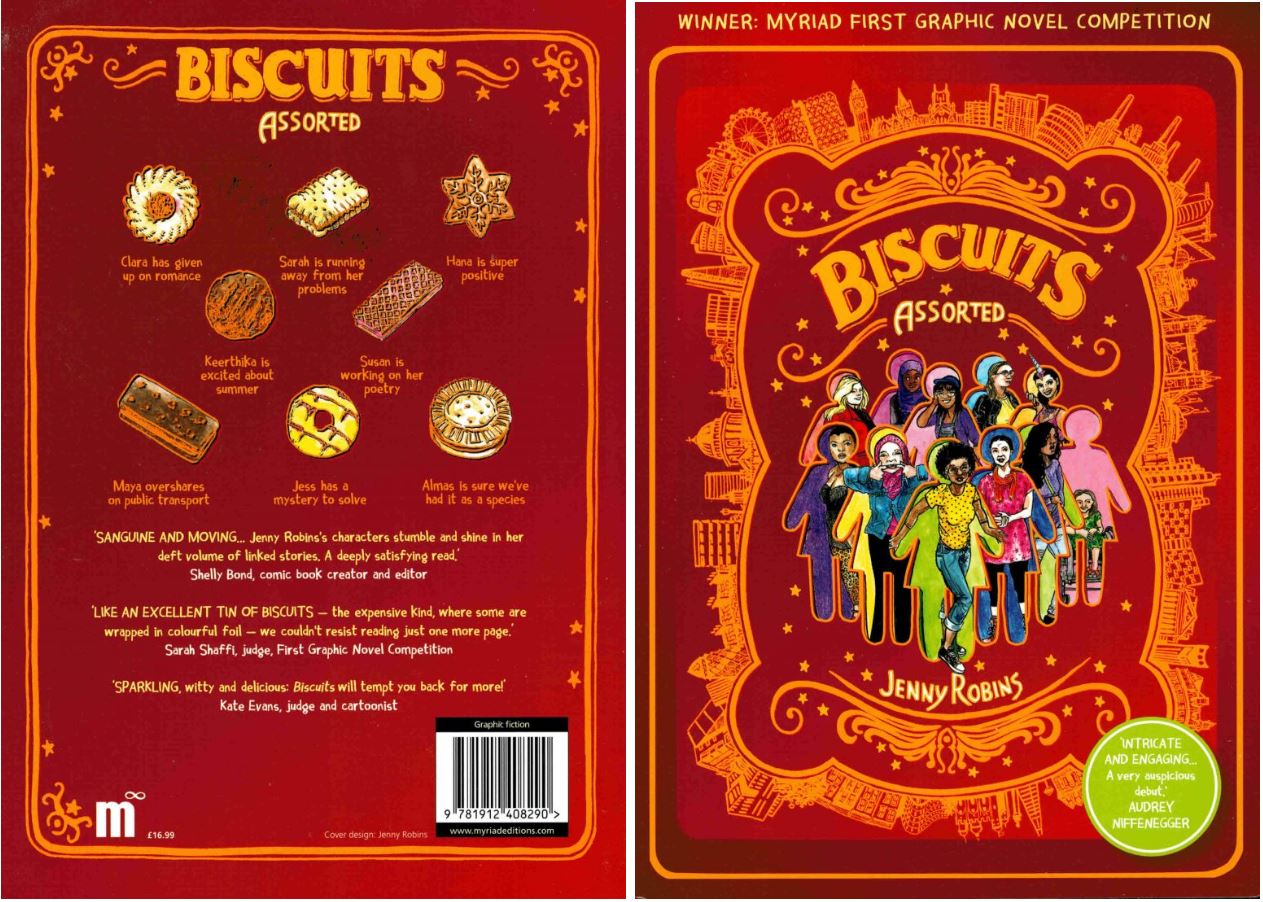
Biscuits Assorted


By Jenny Robins (Myriad Editions)
ISBN: 978-1-91240-82-90 (TPB)

There’s a 1944 Powell & Pressburger film called A Canterbury Tale, wherein a group of disparate, loosely ordinary associated characters weave in and out of each other’s lives for a defined period, gradually proceeding towards a shared denouement. It’s about far more than that and is really good. You should see it.

Biscuits Assorted is a bit like that, but also completely different. You should read it. It’s really, REALLY good.

Artist, teacher, Small Press artisan and author Jenny Robins is clearly a keen observer and gifted raconteur deftly attuned to nuance and ambiance and quite possibly hopelessly in love with London. Her award-winning debut graphic novel is a paean to modern living in the city, recounted through overlapping snapshots of many women’s lives in the months of June’, July’ and August’ of a recent year (and don’t worry about which one).

If you need the metaphor explained, there are different varieties and, occasionally, they don’t do quite what it says on the tin…

Seriously though, here in captivating and compelling monochrome linework are a plethora of distinct, well-rounded individuals of differing ages and backgrounds working, playing, living, dying, risking, winning, failing and constantly interacting with each other to a greater or lesser extent. They are all united by place, circles of friends, shared acquaintances and enjoying – for once – full access to their own unexpurgated voices.

Strangers or seasoned intimates, life-long or Mayfly-momentary, this addictively engaging collection of incidents and characters share locations and similar pressures as they go about their lives, but the way in which they each impact upon one another is utterly mesmerising. I’m a bluff old British codger and I’ve been meeting these very women and girls all my life, except for those who are completely new to my white male privileged experience. Now, however, I know what they’re like and what they’ve been thinking all this time…

Moreover, it’s outrageously funny and terrifying elucidating, rude in all the right ways and places, and absolutely able to break your heart and jangle the nerves with a turn of a page.

Biscuits Assorted is a brilliant and revelatory picaresque voyage impossible to put down and deserves to become a classic of graphic literature. It’s also the most fun you can have with your brain fully engaged.
© Jenny Robins 2020. All rights reserved.

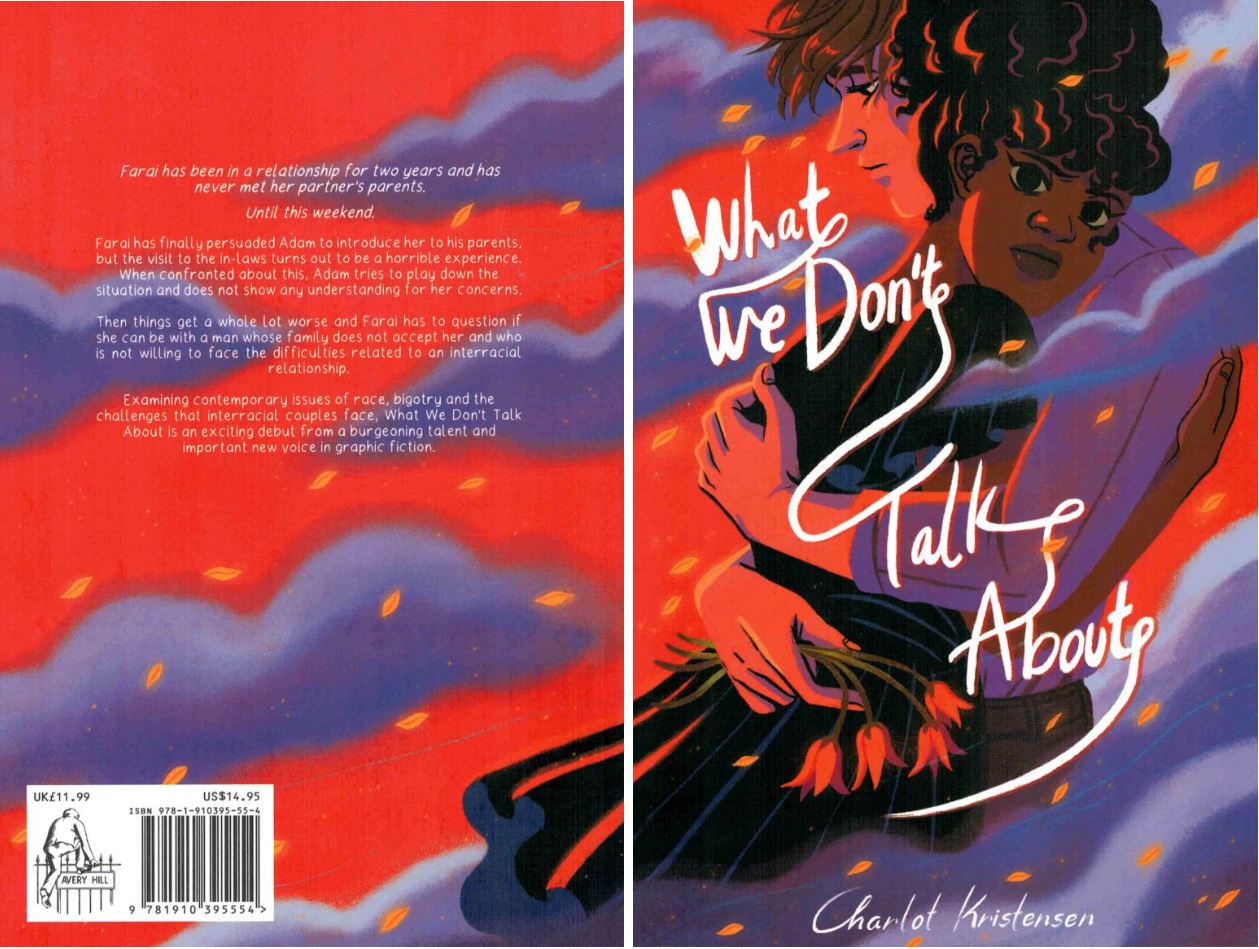
What We Don’t Talk About


By Charlot Kristensen (Avery Hill)
ISBN: 978-1-91039-555-4 (TPB/digital edition)

There’s plenty wrong with the world, but most of it could probably be sorted if people got together and discussed things rationally and honestly. Some individuals, however, don’t want to change positions or even agree that there even is a problem. This book isn’t for them, and we’ll have to find more drastic ways to deal with their nonsense…

Charlot Kristensen graduated from Middlesex University in 2015 with a degree in Illustration and thereafter pursued a career in the arts. Her visual and narrative gifts are prodigious and superbly highlighted in this vibrant examination of an interracial relationship in crisis. Kristensen is of Afro-Danish descent and clearly knows what she’s talking about and how best to depict it…

Painted in lavish and mood-setting colours, What We Don’t Talk About focuses on an idyllic modern romance as (demi-autobiographical?) artist Farai accompanies her white English boyfriend Adam to Lake Windemere to finally meet his parents. The young couple have been lovers for two years now, ever since University, but her beautiful gentle musician soulmate is uncharacteristically nervous – even short-tempered – as the journey begins. Farai almost regrets the trip, even though she’s been pushing for it from the start. Her nerves and his tension dissipate on the trip north, but are all revived when she meets Charles and Martha. The look on their faces and the tone of the greeting tell Farai an old story…

In frosty diffidence, the social amenities are followed but it’s not just a barely suppressed attitude of polite condescension Farai experiences. Martha’s blunt opinions extend to all aspects of her son’s life. Although she clearly opposes Adam’s choice of career, after meeting the girlfriend, Mother now has a new problem to gnaw at…

As the weekend progresses Martha’s sneering, passive aggressive comments go from dismissive to openly hostile: mocking Farai’s clothes and denigrating the achievements of her Zimbabwean parents (a doctor and engineer respectively). It soon becomes clear that it’s not just her who’s a problem: people with funny names or difficult accents and all Muslims also fail Martha’s tests of decency and acceptable standards. The matriarch also thinks the world should be grateful for British colonialism…

And Adam? He’s loving and conciliatory but ultimately weak and keen to avoid the issue. He knows what his mum says is objectionable, offensive and just plain wrong, but can’t or won’t bring himself to say anything or rebuke his parents. He seeks to divert conversations rather than defend Farai, even employing the “just a joke” defence at a most distressing family dinner. He doesn’t seem to believe their attitudes are unacceptable or that it even matters. Farai’s seen it all before. This is a love story that cannot possibly end well…

Like a contemporary Guess Who’s Coming to Dinner, this powerful graphic drama forensically picks open the sores underlying so much of modern society’s attempts to integrate and assimilate long-entrenched attitudes: revealing not just how far we’ve all come, but how far we still have to go.

Comics have always had an admirable record in addressing issues of bigotry and racial injustice, and this tale takes that to the next level with potent moving empathy displayed and seen through the eyes of someone who’s clearly “been there, done that” all too often…

That ignorance and intolerance still daily endured by so many today is perpetually ignored, diminished and dismissed by those in charge has never been more effectively shown as in this unforgettable tale. Luxuriant colours and a welcomingly accessible cartoon style subversively act to devastatingly prove that prejudice doesn’t just lurk in dark corners any more but instead proudly rears its head everywhere it can. But that just means we must slap it down more forcefully and decisively.
© 2020 Charlot Kristensen.

Chronicles of Fear – Tales of Woe


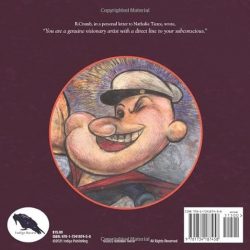
By Nathalie Tierce (Indigo Raven)
ISBN: 978-1-7341874-5-8 (PB)

Win’s Christmas Gift Recommendation: Cruel Truths for Crazy Days… 9/10

Allying words to pictures is an ancient, potent and – when done right – irresistibly evocative communications tool: one that can simultaneously tickle like a feather, cut like a scalpel and hit like a steam-hammer. As such, repeated visits to a particular piece of work will even generate different responses depending on the recipient’s mood. If you’re a multi-disciplined, muti-media artist like Nathalie Tierce, fresh challenges must be a hard thing to find, but rewards for successfully breaking new ground are worth the effort… and the viewer’s full attention.

Tierce is a valued and veteran creator across a spectrum of media, triumphing in film and stage production for everyone from the BBC to Disney and Tim Burton to Martin Scorsese. She has crafted music performance designs for Andrew Lloyd Webber and The Rolling Stones, all the while generating a wealth of gallery art, painted commissions and latterly, graphic narratives such as Fairy Tale Remnants and Pulling Weeds From a Cactus Garden.

Perpetually busy, she still finds time to stop and stare; thankfully, human-watching is frequently its own reward, sparking tomes like this slim, enthrallingly revelatory package forensically dissecting human nature in terms of cultural landmarks as scourged by the inescapable mountain of terrors large, small, general and intensely personal.

On show in this portable night gallery are stunning paintings in a range of media, rendered in many styles and manners whilst channelling the artist’s own fear-mongering childhood entertainer-influences. These include Edward Gorey, Maurice Sendak, Heinrich Hoffman (Der Struwwelpeter) and other dark fairy tales, as well as compellingly mature comic creators such as Aline Kominsky Crumb & R. Crumb, Will Eisner and Claire Bretecher.

The artworks explore shades of anxiety, alienation, frustration, longing, disappointment, despondency, hopelessness, instant gratification, loss of confidence, purposelessness, racism, toxic masculinity, neurosis, death and loneliness by suborning cultural touchstones like Popeye, Donald Duck and other Disney icons, mass-media mavens like Bowie and King Kong, beloved childhood toys and even modern lifestyle guru Homer Simpson.

Bracketed by revelatory insights and sharing context in Introduction and Biography, the pictorial allegories When Shock and Horror Collide, Forest Nymph, Capitolina and the Dubious Superhero, The Genie and the Swimmer, Bad Fishing Trip, Slapstick Brawl, Undateable, Crazy Rooster Man, Strange Leader, My Favorite Aliens, The Queen of Hearts Goes Shopping, Acrobat, Fear of Death, Running, What Killed the Dodo?, The Bore, 3am, Pussy Cat, Barfly, Alice in Waitingland (my absolute personal favourite!), Beginning and End, Rascal Dog, Spiraling, Lonely Soldier, Homer Gone Bad, Jittery and utterly appalling endpiece Bathtime, connecting forensic social observation with everyday paranoias we all experience. The result is a mad melange of bêtes noire and unsettled icons du jour, with each condemnatory visual judgement deftly wedded to frankly terrifying texts encapsulating contemporary crisis points, delivered as edgy epigrams and barbed odes.

Chronicles of Fear – Tales of Woe is a mordantly mature message of mirth-masked ministrations exposing the dark underbellies we’re all desperately sucking in and praying no one notices.

A perfect dalliance for thinking bipeds at the end of civilisation, aimed at victims of human nature with a sharp eye and unforgiving temperament – and surely, isn’t that all of us?
© 2023 Indigo Raven. © 2023 Nathalie Tierce. All rights reserved.

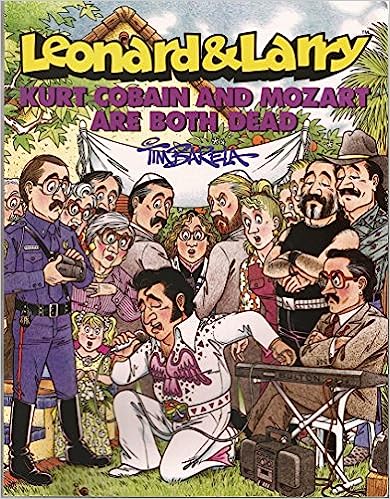
Kurt Cobain & Mozart Are Both Dead – A Leonard & Larry Collection


By Tim Barela (Palliard Press)
ISBN: 978-1-88456-804-6 (Album PB)

We live in an era where Pride events are world-wide and commonplace: where acceptance of LGBTQIA+ citizens is a given… at least in all the civilised countries where dog-whistle politicians, populist “hard men” totalitarian dictators (I’m laughing at a private dirty joke right now) and sundry organised religions are kept in their generally law-abiding places by their hunger for profitable acceptance and desperation to stay tax-exempt, scandal-free, rich and powerful.

There’s still too many places where it’s not so good to be Gay but at least Queer themes and scenes are no longer universally illegal and can be ubiquitously seen in entertainment media of all types and age ranges and even on the streets of most cities. For all the injustices and oppressions, we’ve still come a long, long way and it’s and simply No Big Deal anymore. Let’s affirm that victory and all work harder to keep it that way…

Such was not always the case and, to be honest, the other team (with religions proudly egging them on and backing them up) are fighting hard and dirty to reclaim all the intolerant high ground they’ve lost thus far.

Incredibly, all that change and counteraction has happened within the span of living memory (mine, in this case). For English-language comics, the shift from simple illicit pornography to homosexual inclusion in all drama, comedy, adventure and other genres started as late as the 1970s and matured in the 1980s – despite resistance from most western governments – thanks to the efforts of editors like Robert Triptow and Andy Mangels and cartoonists like Howard Cruse, Vaughn Bod?, Gerard P. Donelan, Roberta Gregory, Touko Valio Laaksonen/“Tom of Finland” and Tim Barela.

A native of Los Angeles, Barela was born in 1954, and became a fundamentalist Christian in High School. He loved motorbikes and had dreams of becoming a cartoonist. He was also a gay kid struggling to come to terms with what was still judged illegal, wilfully mind-altering psychosis and perversion – if not actual genetic deviancy – and an appalling sin by his theological peers and close family…

In 1976, Barela began an untitled comic strip about working in a bike shop for Cycle News. Some characters then reappeared in later efforts Just Puttin (Biker, 1977-1978); Short Strokes (Cycle World, 1977-1979); Hard Tale (Choppers, 1978-1979) plus The Adventures of Rickie Racer, and cooking strip (!) The Puttin Gourmet… America’s Favorite Low-Life Epicurean in Biker Lifestyle and FTW News.

In 1980, the cartoonist unsuccessfully pitched a domestic (or “family”) strip called Ozone to LGBT news periodical The Advocate. Among its proposed quotidian cast were literal and metaphorical straight man Rodger and openly gay Leonard Goldman… who had a “roommate” named Larry Evans

Gay Comix was an irregularly published anthology, edited at that time by Underground star Robert Triptow (Strip AIDs U.S.A.; Class Photo). He advised Barela to ditch the restrictive newspaper strip format in favour of longer complete episodes, and printed the first of these in Gay Comix #5 in 1984. The remodelled new feature was a huge success, included in many successive issues and became the solo star of Gay Comix Special #1 in 1992.

Leonard & Larry also showed up in prestigious benefit comic Strip AIDs U.S.A. before triumphantly relocating to The Advocate in 1988, and – from 1990 – to its rival publication Frontiers. The lads even moved into live drama in 1994: adapted by Theatre Rhinoceros of San Francisco as part of stage show Out of the Inkwell.

In the 1990s their episodic exploits were gathered in a quartet of wonderfully oversized (220 x 280 mm) monochrome albums which gained a modicum of international stardom and glittering prizes. This compendium was the second compiled by Palliard Press between 1993 and 2003, following Domesticity Isn’t Pretty and paving the way for Excerpts from the Ring Cycle in Royal Albert Hall and How Real Men Do It.

Triptow provides sly and witty Foreword ‘Discovering the World of Leonard & Larry’ before a copious, detailed and lengthy Introduction reintroduces the huge byzantinely interwoven cast in tasty bite-sized Gordian knots (sorry, the classical and literary allusions peppering the comics are eerily infectious…).

‘The Cast of Characters – So Far’ re-briefs us on star couple Leonard Goldman and Larry Evans, ‘Larry’s Relatives’, ‘Leonard Relatives’, ‘The In-Laws’ and ‘Friends and Acquaintances’ which prominently features the dream manifestations – or is it the actual ghosts? – of composers Peter Ilyich Tchaikovsky and his bitter frenemy Johannes Brahms…

This family saga is primarily a comedic comedy of manners, played out against social prejudices and grudging popular gradual acceptances, but it also has shocking moments of drama and tension and whole bunches of heartwarming sentiment set in and around West Hollywood.

The extensive and extended Leonard & Larry clan comprise the former’s formidable unaccepting mother Esther – who still ambushes him with blind dates and nice Jewish girls – and the latter’s ex-wife Sharon and their sons Richard and David.

Teenaged Richard recently knocked up and wed equally school-aged Debbie, and promptly made Leonard & Larry unwilling grandparents years (decades even!) before they were ready. The oldsters adore baby Lauren – who is two when this book starts – but will soon relive all that aging trauma when Debbie announces the kid will soon be an older sister…

Maternal grandparents Phil and Barbra Dunbarton are ultra conservative and stridently Christian, and spend a lot of time fretting over Debbie and Lauren’s souls and social standing. They’re particularly concerned over role models and what horrors she’s being exposed to whenever the gay grandpas babysit…

David Evans is as Queer as his dad, and works in Larry’s leather/fetish boutique store on Melrose Avenue. That iconic venue provides plenty of quick, easy laughs and even some edgy moments thanks to local developer/predatory expansionist Lillian Lynch who wants the store at any cost. It’s also the starting point for the many other couples in Leonard & Larry’s eccentric orbit.

Their friends and clients enjoy even larger roles this time around whilst cunningly presenting other perspectives on LA life and the ever-evolving scene. Flamboyant former aerospace engineer Frank Freeman lives with acclaimed concert pianist Bob Mendez and has an obsessive yen for uniforms, which comes in handy when Bob is targeted by a sex-crazed celebrity stalker. It’s no use at all though, when she kidnaps them at gunpoint and demands Bob satisfies her every desire…

Larry’s other employee is Jim Buchanan, whose alarming dating history suddenly picks up when he meets a genuine cowboy at one of L & L’s parties. Merle Oberon is a newly “out” Texan trucker who adds romance and stability to Jim’s lonely life. Sadly, that’s only until Merle is discovered by Hollywood and pressured by agents, manager and co-star to go right back “in” again if he really wants to be a movie megastar…

Jim, by the way, is the original and main focus of the overly-critical dead composers’ puckish visits…

Among the highlights this time are the cast’s participation on the “March on Washington” in April 1993 in support of Gay Rights, Larry’s jury duty and the introduction of a draconian Judge who is also a major purchaser of the Melrose’ stores most imaginative BDSM under-apparel, jury service, and Jim and Merle’s fraught but fun foray to Texas to get the blessing of the cowboy’s fundamentalist parents…

The opposing sides/families in the “lifestyle vs sin” debate meet often and outrageously and there’s even a couple of ceremonies (this is long before same sex weddings were legal) to confirm that the heart wants what the heart wants.

Terrifyingly there’s also a second episode of “queer-bashing” (David being the first in the previous volume) that results in Larry’s death.

Thankfully his trip to heaven is pleasant and his prompt return to the mortal coil proves “God Loves Gays” and provides sublimely satisfying satirical laughs whilst scoring major points… When he revives it’s to meet his new – and so very, very ugly – grandson… and thus life goes on…

As well as featuring a multi-generational cast, Leonard & Larry is a strip that progresses in real time, with characters all aging and developing accordingly. The strips are not and never have been about sex – except in that the subject is a constant generator of hilarious jokes and outrageously embarrassing situations. Deftly skewering hypocrisy and rebuking ignorance with dry wit and great drawing, episodes cover various couples’ home and work lives, constant parties, physical deterioration, social gaffes, rows, family revelations, holidays and even events like earthquakes and fanciful prognostications. Tchaikovsky and Brahms are also regular visitants and serve to keep the proceedings wry, sarcastic and surreal…

Leonard & Larry is a traditionally domestic marital sitcom/soap opera with Lucille Ball & Desi Arnaz – or more aptly, Dick Van Dyke & Mary Tyler Moore – replaced by a hulking bearded “bear” with biker, cowboy and leather fetishes and a stylishly moustachioed, no-nonsense fashion photographer. Taken in total, it’s a love story about growing old together, but not gracefully or with any dignity…

Populated by adorable, appetising fully fleshed out characters, Leonard & Larry is about finding and then being yourself: an irresistible slice of gentle whimsy to nourish the spirit and beguile the jaded.

If you feel like taking a Walk on the Mild Side now this tome is still at large through internet vendors. So why don’t you?
Kurt Cobain & Mozart Are Both Dead © 1993 Palliard Press. All artwork and strips © 1996 Tim Barela. Introduction © 1996 Robert Triptow. All rights reserved.

After decades of waiting, the entire ensemble is available again courtesy of Rattling Good Yarns Press. Sublimely hefty hardback uber-compilation Finally! The Complete Leonard & Larry Collection was released in 2021, reprinting the entire saga – including rare as hens’ teats last book How Real Men Do It (978-1955826051). It’s a little smaller in page dimensions (216 x280mm) and far harder to lift, but it’s Out there if you want it…

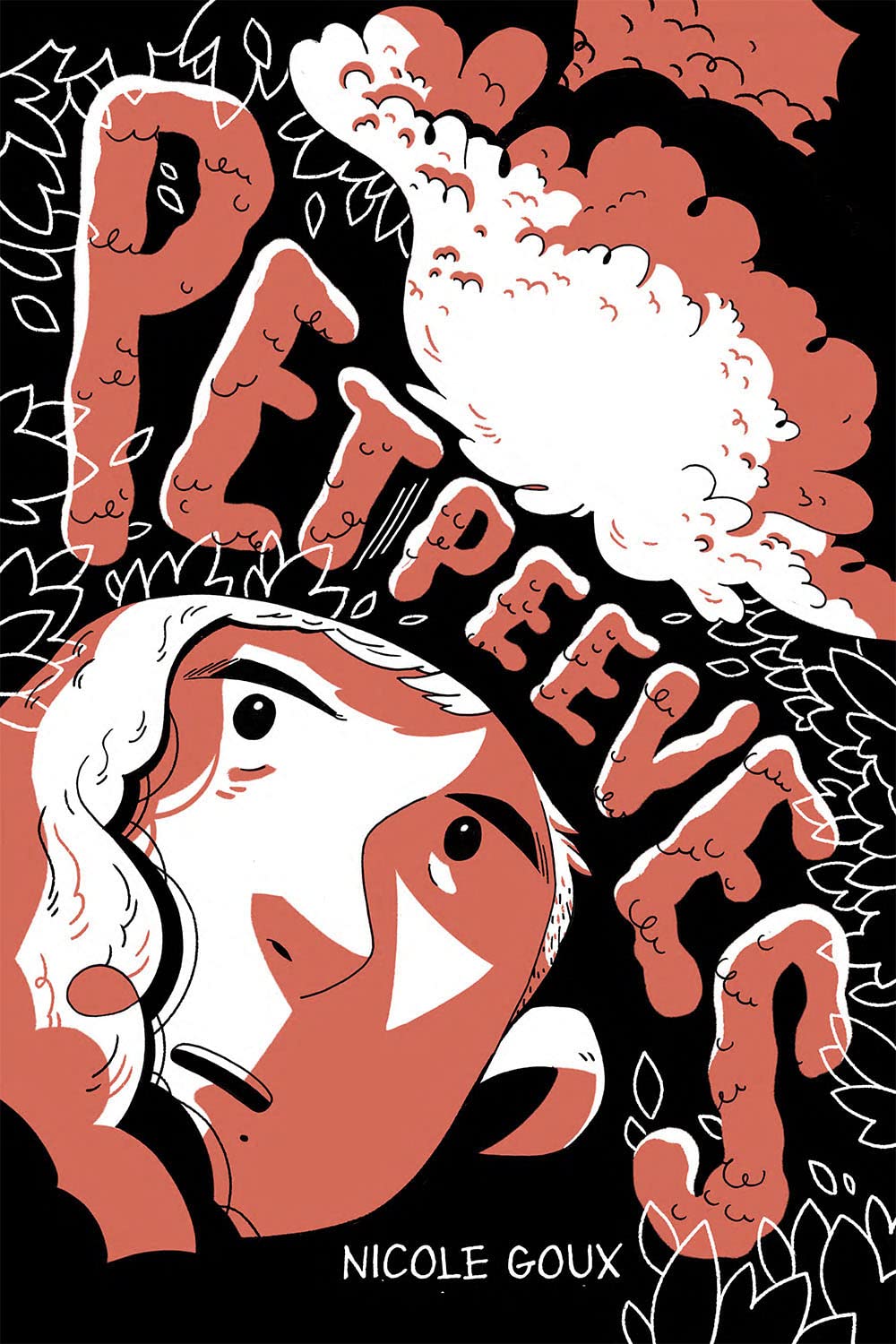
Pet Peeves


By Nicole Goux (Avery Hill Publishing)
ISBN: 978-1-910395-72-1 (PB)

Since college, Bobbie has just coasted. Saddled with massive debt, she lives with her lifelong friend and co Ohio U alumnus Clara. She pays her – far less than fair – share of the rent by tending bar in crappy booze-&-music dive The Pig’s Knuckles: beguiled by a lack of professional impetus, and the (constantly never-materialising) promise of a performance slot, someday. There’s late starts and free drinks to offset being harassed by the frat-boy clientele. At least there’s no pressure and plenty of time to work on her songs and it keeps her away from Clara’s ghastly cat Poptart and obnoxious new girlfriend…

Just getting by is bad enough, with manager Richard always stalling her and customers being jerks, but it all gets too much when her ex Carlos comes in with his new trophy trollop and deliberately tries to spoil Bobbie’s day. In response all she can do is drink on the job.

Too smashed to drive – or even hold her keys – Bobbie staggers home and is adopted by the ugliest dog she has ever seen…

She wakes up at home after the strangest dreams, with the mutt happily ensconced and already making trouble.

She calls him Barkley, and he’s an instant wedge between her and Clara, creating utter chaos and revolting messes, tormenting Poptart and somehow taking up so much time that Bobbie even stops writing music. At least he cares about her and always helps alleviate the drudgery and misery of her life…

What Bobbie doesn’t see is how that life is spiralling: slowly changing into something even more petty and desperate…

Eschewing her regular digital process, Eisner-award nominee Nicole Goux (for illustrating DC’s Shadow of the Batgirl) goes old-school and back to pen &-ink basics in Pet Peeves. Unleashing her own narrative notions in a boldly experimental, creepily compelling, itchily abrasive yet understated urban horror story trading marauding monsters for animosity, angst, disappointment and despair, the author presents here a youthful cast who aren’t shallow morons and slasher-fodder in a beastly fable where the protagonist is the victim and the secondary characters slowly turn on each other in a most engaging and appetising way because of an unwelcome new addition to the group…

Deploying imaginative page layouts reminiscent of Ditko’s Mr A and Avenging World, Goux (Forest Hills Bootleg Society, Everyone is Tulip, F*ck Off Squad at Silver Sprocket Bicycle Club) delivers a charming edgy fable about surrendering your dreams that conceals a wicked and chilling shock ending to die for…
© Nicole Goux, 2023. All rights reserved.

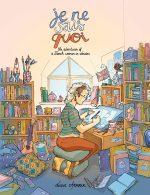
Je Ne Sais Quoi


By Lucie Arnoux (Jonathan Cape)
ISBN: 978-1-78733-359 8 (HB/Digital edition)

Win’s Christmas Gift Recommendation: Sweet, Smart Reminder of What We Are and Where We’re Going … 9/10

The French have a word for it…

We Brits have an hard-won and insanely-cherished Awkward Relationship with the French. On “our” side, the unending, frequently re-declared war of cultures and attitudes stems from our envy of their scenery, beautiful holiday locations, wonderful food, all those different words (like chic and elan) for style, mature and easy attitudes to sex and even the cheap booze & smokes. It’s all bundled up in a shared history of squabbling with a neighbour.

For us, it’s their arrogant smugness, never knowing when they’re wrong and/or beaten, inconceivable ability to say no to their leaders and rulers, never knowing their place and just plain not being British. Worst of all is they do it all whilst making us look stupid: “indulging” and “tolerating” our antics.

Oh, and sport too. They won’t accept our clear superiority there, either. They don’t even play cricket and have their own name for bowls…

I won’t detail their side, even though it’s probably as justified and well-reasoned. Until this book, there was never any evidence that a Gallic heart could fathom the workings of the English mind…

At least the rivalry is generally good natured these day, but can still somehow be exploited to rile up an unwholesome and frankly embarrassing audience whenever dog-whistle politics are unleashed or if newspapers need a quick boost to prop up our equally despised governments. Of course, theirs are despised at home too, but at least seem to know what they’re doing…

At heart, the entente cordiale is an ambiance we’ve carefully cultivated for more than a millennium, nurturing it like a Home Counties lawn or boutique-brewed artisanal gin, which is why it’s such a splendid moment when national disgraces like me can say “Oi! Look at this”…

The one place where the French constantly and conclusively kick our derrieres is comics. Acknowledged as an art form (officially The Ninth Art, in fact) the medium and industry is supported, understood and appreciated by all: calling forth talented individuals like the ungrateful émigré revealed in this tome: someone who inexplicably loves us here as we are and has made her home among us oiks and heathens for more than a decade now…

Lucie Arnoux is a story-maker based in London, from where she’s been embracing our peculiar uniqueness for over a decade. When not travelling the world, she gratefully returns to her English home, celebrating so many conflicting aspects of us, channelling her mania for drawing and music and art in all forms into comics, teaching, illustrating, book writing, set design, sculpture, knitting and so many more forms of sharable self-expression…

I’ve never met her, but she’s clearly as engaging and personable as she is gifted, and – in this big colourful hardback collection of strips – shares her history, thoughts, dreams and adventures with astounding frankness.

A self-confessed misfit looking to find her place, Arnoux draws beautifully in a clear, expressively welcoming – almost chatty – manner and knows how to quietly sneak up, grab your undivided attention and never let go. In a succession of seditiously disciplined 9-panel grids which act as counterpoint to the free flowing pictorial excursions, the auteur deftly steers us through her self-determined chaotic life.

It’s like a comics take on those wonderful 1990s Alan Bennett character studies Talking Heads, revealing greater truth through apparent conversation, intimate fact and candid self-assessment, except here you can actual see what does and doesn’t happen …and how…

Across these page you’ll learn how the drawing-addicted prodigy grew up in Marseilles in an unconventional family amidst unfriendly school inmates and unsettled environs. How she was a remarkable comics prodigy who began working professionally at the age 14, the same year she first visited Britain and inexplicably fell in love with the place…

Formally learning her craft under a strong editor at Studio Gottferdom, she produced a weekly autobiographical strip for legendary fantasy publication Lanfeust Magazine, studied unhappily in Paris, and eventually migrated to her happy place and spiritual home… London.

You’ll pry no more secrets from me: this is a hugely enjoyable treat that you deserve to experience with no preconceptions or spoilers. So go do that, then buy copies for all your friends…

Je Ne Sais Quoi is a fabulously absorbing jolly with a delightfully forthright companion. Arnoux unstintingly shares her thoughts, feeling and experiences in a manner guaranteed to win over the most jaded companion – especially as she garnishes her slivers of fresh experience with laconic but unguarded observations, glimpsed through the welcoming lens of regional foods, booze, hunts for companionship, festivals attended, artworks made, consumed and enjoyed.

Sharp, funny, disarmingly incisive, heart-warming, uncompromising and utterly beguiling, this moving memoir is a comics experience you’ll want to relive over and again.
© Lucie Arnoux 2022.

Je Ne Sais Quoi will be published on 27th October 2022 and is available for pre-order now.

If, like Lucie, you’re London-based, love to travel and party, there’s a Launch Event scheduled for that day at the wondrous and fascinating Gosh! Comics. For details see Gosh! Comics (goshlondon.com)

There could be wine, there may be cheese, there WILL be Lucie Arnoux, convivial conversation and Signed Copies.

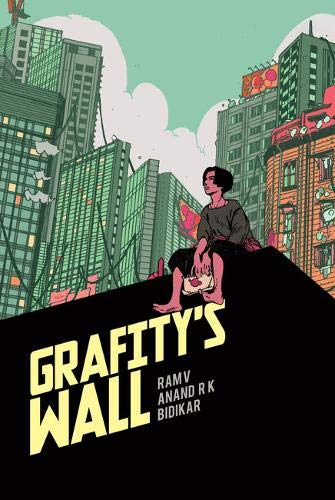
Grafity’s Wall


By Ram V, Anand Radhakrishnan, Aditya Bidikar & various (Unbound)
ISBN: 978-1-78352-684-0 (HB) eISBN: 978-1-78352-686-4

Ram V (AKA Ram Venkatesan) began professionally writing comics while still resident in Mumbai. His acclaimed 2012 series Aghori preceded a move to Britain for a Creative Writing MA at the City of London University. Since then he’s become a prolific creator with series like Black Mumba; The Many Deaths of Laila Starr; Ruin of Thieves; Paradiso; Blue in Green; Radio Apocalypse and Brigands, backed up with US superhero mainstream forays such as Marvel’s Venom and DC’s Justice League Dark; Catwoman, a new Swamp Thing and Batman: Gotham Nocturne.

In 2018 he returned to his roots for a richly compelling coming-of-age story with a dash of whimsy and a splash of heart, brimming with dangerous optimism and soaked in the dark passions of life lived on the line between subsistence and glory. It’s a timeless and familiar tale of winning and losing encompassing self-expression, rebellion, ambition and acceptance.

It probably has a Bhangra or desi hip hop soundtrack, but if you play early rock ‘n’ roll hits while reading it, you could believe you’re watching a Bollywood remake of American Graffiti

Huge, thriving, bustling cities like Mumbai have a life all their own: a miasma of need, urgency and desperation underpinning every moment and aspect of existence. Everyone is trying to get by and get on. And amidst those masses there will always be some who stand out and stand apart…

Mumbai is special: a modern metropolis with no respect for its past, cramming together rich and poor alike whilst continually mixing the best and worst of everywhere else into an ever-evolving social soup A cultural vampire, the place finds room for every foreign fad and fashion, but always merges and remakes it with what has gone before…

The story opens in ‘What Goes Up’ as, in the heart of that constant churn, street artist Grafity paints walls with spray cans. Little Suresh Naik just can’t help himself, despite countless costly and painful confrontations with policemen: blank walls just call to him and demand he makes magic on them.

He’s lucky he has Jayesh looking out for him. Even fiercely pragmatic “Jay” has dreams – he wants to be a major American style rapper – but he also understands exactly how the world works and who needs paying at every level. That’s why he’s trapped acting as fixer and drug mule for minor gangster Mario

The dreamers – and vanishingly quiet, ever-observing student Chasma – are closer than the family who cannot understand them and, when it’s not trying to crush them, the city belongs to them. For all its allure, though, they can’t imagine anything better than leaving it behind forever…

Their lives all change when the ramshackle Kundan Nagar slums are razed for a new development. In the aftermath, Grafity finds a lone pristine, wall defiantly standing proud and knows it must carry his mark…

In ‘What Goes Up’, he’s laying the groundwork for a masterpiece, with Jay and Chasma idly watching, Grafity realises Mario has found them. The hood and his new arm candy Saira are figures of terror, especially since Jay used the gangster’s money to buy the tagger’s freedom from the cops. In calculated retaliation, Mario throws his weight around and gives Jay a delivery designed to prevent him from playing at his first major gig…

The wall becomes Grafity’s testament, changing daily to record the events that inevitably engulf those around him. The worst is seeing Jay slowly sucked down into the morass of petty crime and expedient compromises, becoming colder and harder inside…

Chasma is fat, slow-seeming and looks a bit Chinese. It’s how he got his job waiting tables at the Dragon Wok restaurant, where the closet intellectual talks to interesting people while taking their orders.

Exploring the concept of ‘American Chop Suey’ – as carefully explained by the diner’s well-seasoned chef – Chasma applies it to his creative efforts:  making time to work on his writing and model own grand dreams. Many of them centre around Mario’s “girlfriend” Saira, and he assuages his frustrations by writing letters to anonymous passers-by. He’s become used to being ridiculed, bullied and beaten up by strangers, which is why it’s so hard when Jay starts doing it…

Graphity’s masterpiece grows more magnificent and revelatory by the moment in ‘Bambai Talkies’, and watching him work utterly captivates his friends. When Saira joins the vigil and strikes up a conversation with Chasma, the writer is carried away in her vivacious wake. She wants to be an actress and soon the boys join her in regular afternoon movie matinees.

When she says she’s quitting the rat race and leaving Mumbai, Chasma agrees to go with her, even after discovering she’s funding the getaway with a case full of the gangster’s money…

When Mario finds them, Chasma makes a supreme sacrifice worthy of a storybook hero, provoking Jay and Grafity to do the same in their own manner…

Illustrated with warmth, edgy versatility and a profound appreciation of street art and hip hop style by Anand Radhakrishnan and benefitting from imaginative colouring by Jason Wordie, Irma Kniivila and letters from Aditya Bidikar, this paean to the Places We Came From, the danger of aspiration and the power of hopes and dreams is an exotic and memorable delight: the kind of Eastern promise you can depend on.
© 2018 Ram Venkatesan, Anand Radhakrishnan. All rights reserved.

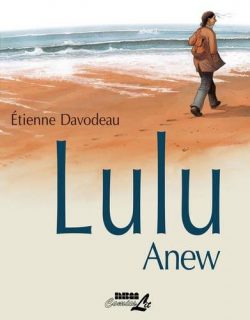
Lulu Anew


By Étienne Davodeau, translated by Joe Johnson (NBM/Comics Lit)
ISBN: 978-1-56163-972-4 (HB/Digital)

In 2010 Bande Dessinée artist, writer and designer Étienne Davodeau completed a 2-volume tale he’d started in 2008. He was already popular, award-winning and extremely well-regarded for his reality-based and reportage style comics work, but Lulu femme nue was something that was special even for him. Within a year the story had been made into a much lauded and celebrated film by Solveig Anspach.

Davodeau was born in 1965 and, whilst studying art at the University of Rennes, founded Psurde Studios with fellow comics creators Jean-Luc Simon and Marc “Joub” Le Grand. His first album – L’Homme qui aimait pas les arbres (The Man Who Did Not Like Trees) – was released in 1992.

He followed up with a string of thoughtful, passionate and beautifully rendered books like The Initiates, Les Amis de Saltiel, Un monde si tranquille, Anticyclone, Les Mauvaises Gens: une histoire de militants, Le Chien Qui Louches and Le Droit du sol : Journal d’un vertige. Consequently he is now regarded as an integral part of the modern graphic auteur movement in French and Belgian comics.

NBM translated and collected both volumes of the dreamily moody mystery into a stunning hardback edition and Lulu Anew is now regarded as one of the very best graphic novels of its genre…

It begins with a kind of Wake where a number of friends gather to learn the answers to a small, personal but immensely upsetting event which has blighted their lives of late. Xavier is the first to speak and relates what they all already know. Lulu, a frumpy 40-something with three kids and a very difficult husband, has been missing for weeks. She went off for yet another distressing job interview and never came back…

It wasn’t some ghastly crime or horrible abduction. Something simply happened when she was in the city and she called to say she wasn’t coming home for a while…

The sun sets and the attendees calmly imbibe wine and eat snacks. A number of friends and family share their independently gleaned snippets of the story of Lulu’s aberration: a moment of madness where she put everything aside – just for a little while – and what happened next…

Bizarre unsettling phone calls to the raucous family home precede a quiet revolution as Lulu, without any means of support, inexplicably goes walkabout along the magnificent French Coast: living hand-to-mouth and meeting the sorts of people she never had time to notice before. Through interactions with strangers she learns about herself and at last becomes a creature of decisions and choices, rather than shapeless flotsam moved by the tides of events around her…

Related with seductive grace in captivating line-&-watercolours, here is a gently bewitching examination of Lulu’s life, her possible futures and the tragic consequences of the mad moment when she rejects them all. Unfolding with uncanny, compulsive, visually magnetic force, and told through and seen by the people who think they know her. This isn’t some cosmic epic of grand events, it’s a small story writ large with every bump in the road an unavoidable yet fascinating hazard. None of the so-very-human characters are one-sided or non-sympathetic – even alcoholic, often abusive husband Tanguy has his story and is given room to show it.

Ultimately, Lulu’s gradual, hard-earned resolution is as natural and emotionally rewarding as the seemingly incomprehensible mid-life deviation which prompted it…

Slow, rapturous and addictively compelling, Lulu Anew is a paragon of subtlety and a glowing example of the forcefully deceptive potent power of comics storytelling. Every so often a book jumps comics’ self-imposed traditional ghetto walls of adolescent fantasies and rampaging melodrama to make a mark on the wider world. This elegiac petit-epic makes that sort of splash. Don’t hesitate: dive right in.
© Futuropolis 2008, 2010. © NBM 2015 for the English translation.

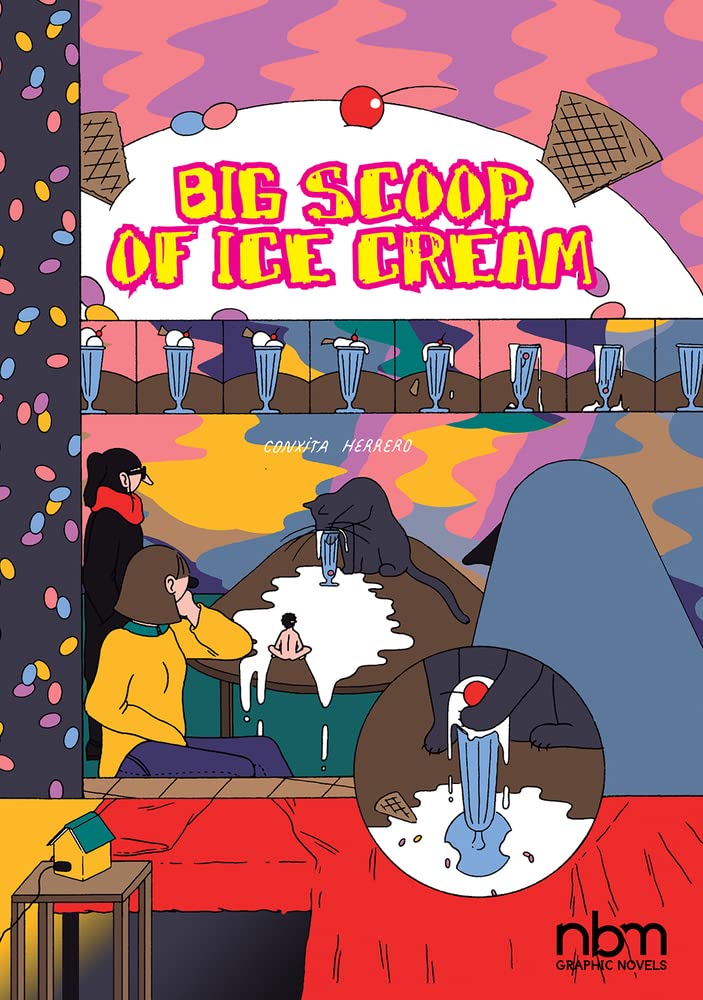
Big Scoop of Ice Cream


By Conxita Herrero Delfa: translated by Jeff Whitman (NBM)
ISBN: 978-1-68112-294-6 (PB) eISBN: 978-1-68112-295-3

Comics are a nigh-universal, extremely powerful medium that lends itself to a host of topics and genres, but the area where it has always shined brightest is in its chimeric capacity for embracing autobiographical self-expression. Whether through fictionalised narratives or scrupulously candid revelation, imaginative forays into self-realisation and self-expression frequently inevitably forge the most impressive and moving connections between reader and author.

Conxita Herrero Delfa’s vibrant collection Gran bola de helado was originally released in 2016, containing lifestyle short stories crafted before COVID changed the world. She is Barcelona born – in 1993 – and studied Fine Arts, but found another outlet for her artistic and raconteurial tendencies by publishing fanzines exploring aspects of free discourse, tireless observation and personal introspection. If you’re open-minded and well-travelled, you may have seen her follow-up work in various magazines and collective books. She’s also a singer, so look out for the album Abducida por forma una pareja by Tronco, if you’re so inclined…

Big Scoop of Ice Cream sees Conxita explore in compelling detail her metamorphic life via comic strips, with what appears to be relentless honesty and inspired veracity. Gathered here is a broad menu of experiences true, slightly true, made up, tedious, meta-real and maybe even a bit untrue, made in response to an ineffectual youth becoming – in fits and starts – a grown up. Everyday tasks, major achievements, personal breakthrough and moments without merit jostle beside strange days and minor miracles in ‘Resolutions’, after which we survive spectral invasion ‘Ghosts’ and learn what “adulting” means in ‘The Bathroom’.

The significance of playing alone shapes ‘Talking’, and perhaps a hint of potential romance looms in ‘The Couch Cushion’, before ‘The Arrival of Spring’ induces travel and causes a mini crisis. Sex happens in dusky pink monotones while ‘Relating’ before solitude returns, sparking thoughts of ‘The South of California’ and triggering ominous internet hook ups in ‘Enter’

Acquiring an item of furniture attains the status of ‘The Metaphor’ for her and her friends whilst a beach break with Ricardo in ‘Alghero’ turns into a partial break with reality before ‘The Castles’ sees perspective restored – and endangered – by an over-sharing drinking buddy and other travelling companions…

A temporary liaison doesn’t pan out, but that’s okay because of what Conxita carries in ‘The Pocket’, and there are always marvels in abundance when ‘Looking Up’ or finding someone who will play ‘The Game’

Visually experimental, the eponymous ‘Big Scoop of Ice Cream’ contrasts flavours and relationships without reaching any useful conclusions but segues neatly into a strange encounter in a bar with ‘The Reject’ before the ruminations conclude with confirmation that ‘People are Only Human’

Boasting quotes from Marcel Proust, José Sainz, and Conxita herself, this whimsical confection is uplifting but never self-deluding, wryly inviting and features a breakout performance by pet cat Julia and a recurring box of toffee apples.

These 17 slices of Latin soul are delivered with verve and gusto in a minimalist cartooning style afforded surprising depth by swathes of flat colour: stylishly masking earnest inquiry and heavy introspection with charm, wit and carefully ingenuous nonsense. Big Scoop of Ice Cream is a book to delight and enthral and get in your head, and should be there with you wherever or however you holiday and forever after when you get back to mundane reality.
© 2016 Conxita Herrero Delfa and apa apa comics. © 2022 NBM for the English translation. All rights reserved.

Big Scoop of Ice Cream is scheduled for UK release July 14th 2022 and is available for pre-order now. For more information and other great reads see http://www.nbmpub.com/. Most NBM books are also available in digital formats.