SAM volume 1: After Man


By Richard Marazano & Shang Xiao, translated by Jerome Saincantin (Cinebook)
ISBN: 978-1-84918-218-8 (Album PB/Digital edition)

Robots are a beloved theme of fiction, and many stories seem to work on the dichotomy of their innately innocent yet potentially deadly double nature. Channelling elements of A Boy and His Dog via Terminator, here’s one that’s a cut above from French polymath (artist, critic, historian, astrophysicist, politician, comics author) Richard Marazano (The Chimpanzee Complex; Cuervos; Zarathustra and more) with Chinese artist/illustrator/animator Shang Xiao (Midsummer Park).

Told over four volumes, Après l’Homme details a heady tale of trust and survival between apparent natural enemies…

It’s just been the End of the World as We Know It, and in the scattered, shattered rubble of our technological triumphs, gangs of desperate kids forage for food, vitamins and ordnance to help them fend off the autonomous robots that have all but eradicated biological life.

Terse flashbacks disclose the armed rebellion of the mechanised realm and how the mostly subterranean youngsters still alive scavenge and scrounge with roaming mechs hunting them day and night. Tensions are high and emotions fraught, so if someone is a little bit different, negligent or disobedient – like incurable dreamer Ian – it’s a problem for everybody…

Ella looks out for him as much as possible but Ian is destined for doom unless he shapes up. Sadly, he instead takes a step in the other direction after one particular dusk raid to the surface sees Ian instants from annihilation when cornered by a towering killer robot.

Thankfully Russ disables it with his bazooka, but just for a moment there, Ian was sure he had experienced an emotional connection with the droid. It was like it chose not to kill him…

Increasingly obsessed, Ian cannot let the notion go and eventually breaks security to sneak out and examine the remains. They will be easy to find, with the letters SAM boldly painted on the bodywork…

When he comes back, it’s all Ella can do to stop the others killing him. Ultimately, though, tempers subside, but Ian has not learned his lesson. After sharing his earliest memories of his father, fleeing and the lucky escape that saved him, the troubled boy seems to buckle down to the basics of survival, but he’s still gripped by crazy notions, such as abandoning their tunnels and heading out to the fabled suburbs…

With defiance growing and rebellion brewing, the kids head out on another daylight hunt, but again Ian goes looking for “his” robot. Ella catches him and starts yelling, but they are both targeted by a roving mech… and inexplicably saved by another killer machine: SAM!

The victorious horror is badly damaged and as Ella watches in horror, Ian starts to fix it…

When the others find them, more arguing results in Ian getting a deadline: if he can’t make SAM fully operable in two days, he must let them destroy it. The frantic boy strives for the entire time – and succeeds – only to pass out at the end. When he wakes and races to the site, the robot is gone. Bereft and furious, Ian allows Ella to drag him away, but both are unaware that coldly-calculating optic systems are watching them from hiding…

Beguiling and powerfully engaging, this vivid take on an much-explored plot is surprisingly compelling and promises a big payoff in volumes to come.
© Dargaud Paris 2011 by Marazano & Shang. All rights reserved. English translation © 2014 Cinebook Ltd.

Today in 1923, illustrator and cover painter Earl Norem (Savage Sword of Conan, Silver Surfer, Six Million Dollar Man, Planet of the Apes) was born, with French pioneer Claire Bretécher (Agrippine, Cellulite, Les Frustrés) arriving in 1940, American mangaka Ben Dunn (Ninja High School, Warrior Nun Areala) in 1964 and Shawn Martinborough (AngelTown, Thief of Thieves, Luke Cage Noir) in 1972.

The Avengers Marvel Masterworks volume 19


By David Michelinie, Steven Grant, Roger Stern, Mark Gruenwald, Jim Shooter, Bob Layton, Tom DeFalco, John Byrne, George Pérez, Sal Buscema, Carmine Infantino, Arvell Jones, Ron Wilson, John Fuller, Dan Green, Ricardo Villamonte, Josef Rubinstein, Jack Abel, Gene Day, Mike Esposito, Brett Breeding, Joe Sinnott, Bruce Patterson & various (MARVEL)
ISBN: 978-1-3029-1637-4 (HB/Digital edition)

This book includes Discriminatory Content produced in less enlightened times.

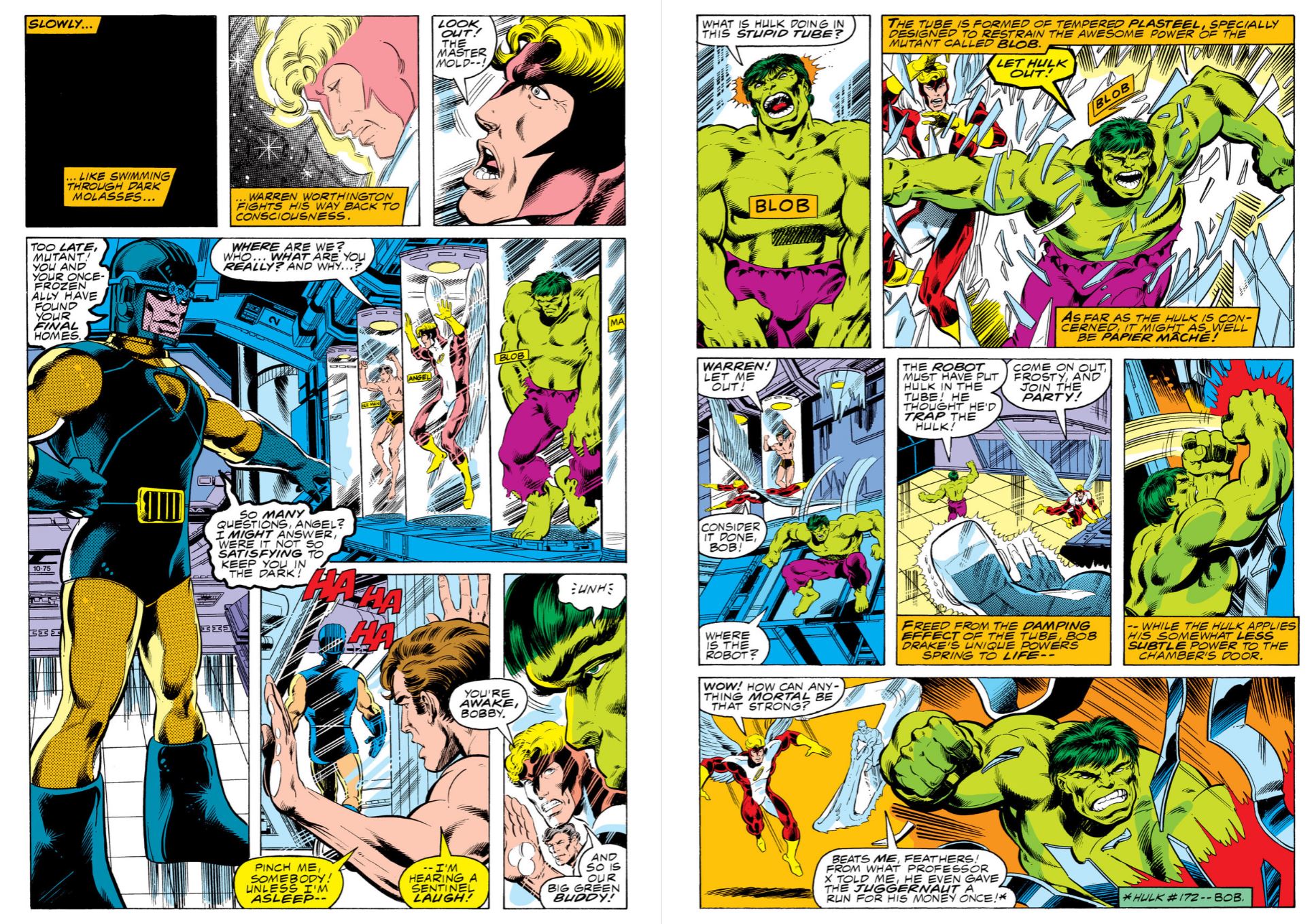
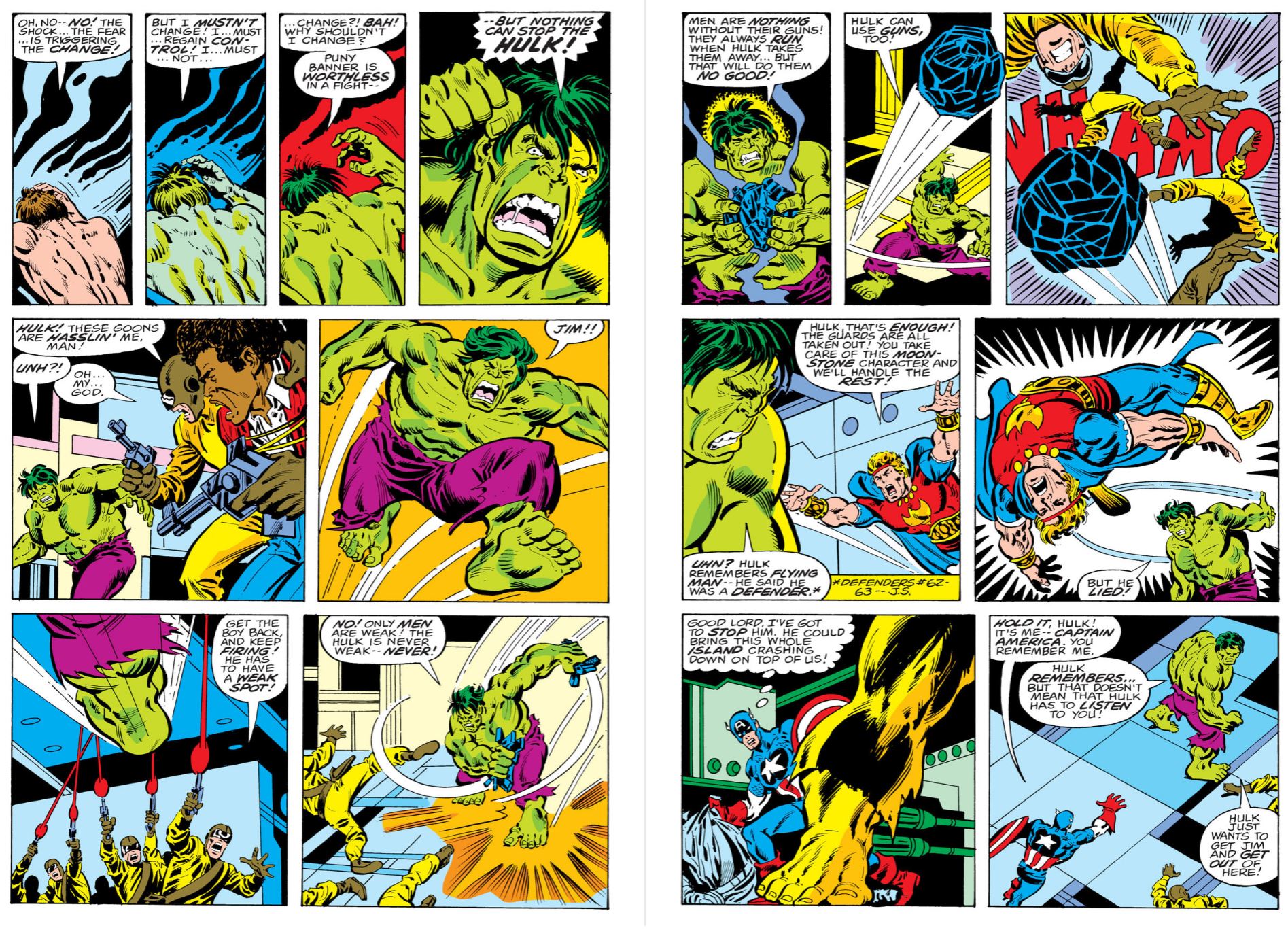
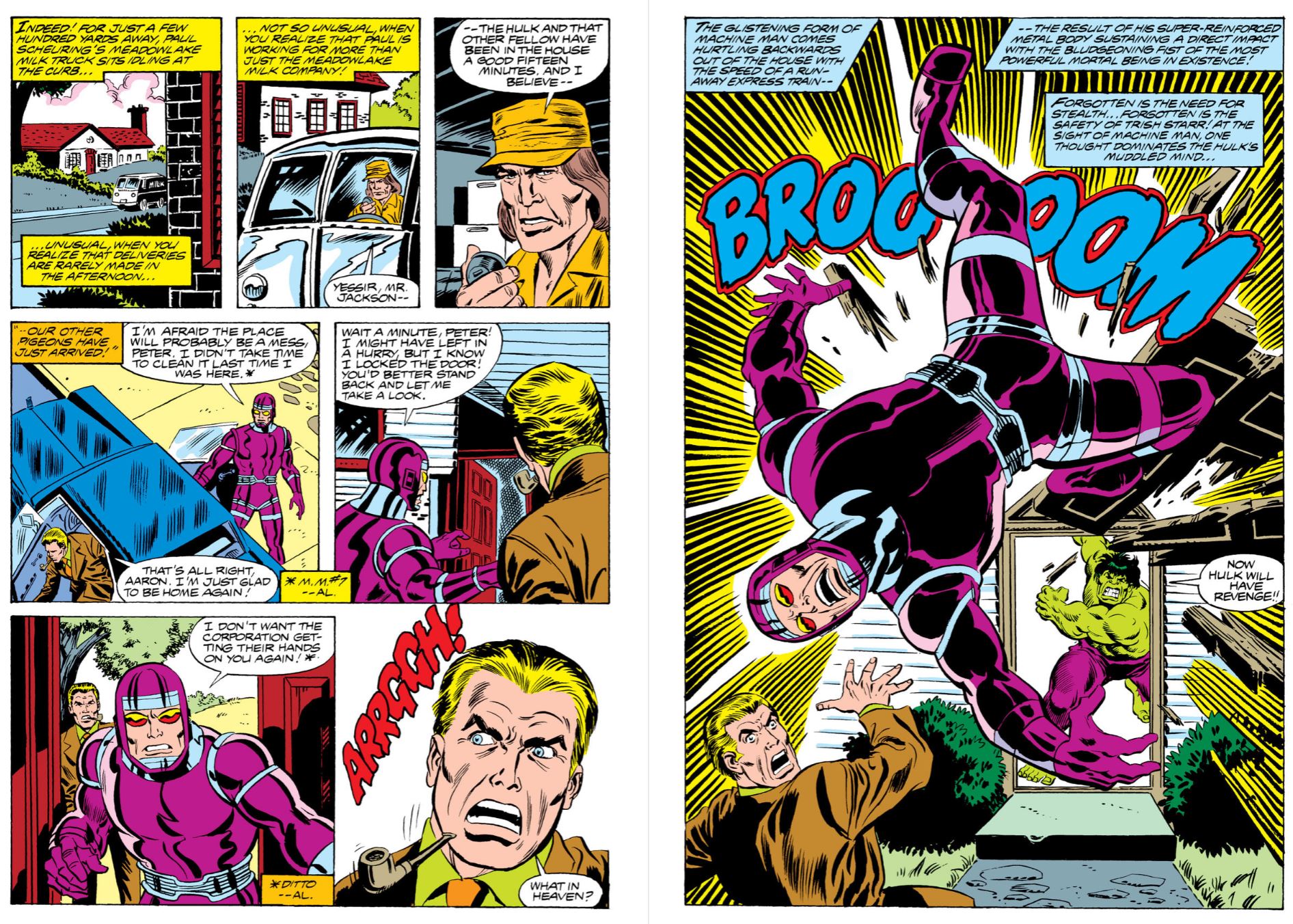
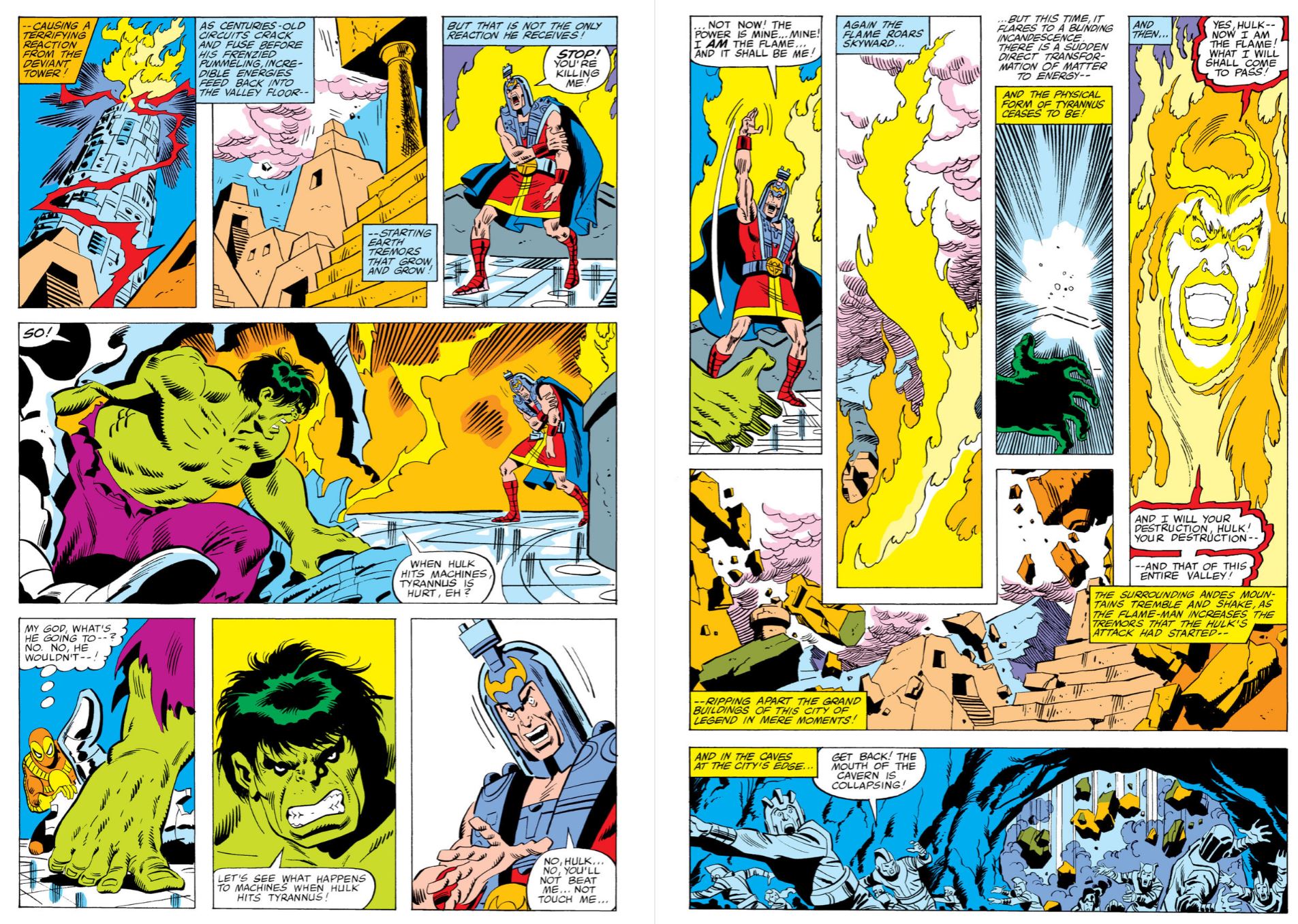
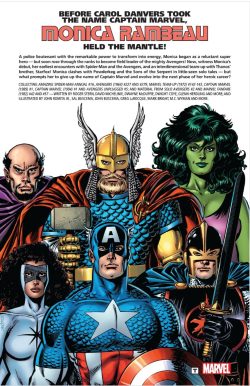
The Avengers have always proved that putting all one’s star eggs in a single basket pays off big-time: even when all Marvel’s classic all-stars such as Thor, Captain America and Iron Man are absent, it merely allows the team’s lesser lights to shine more brightly. Of course, all founding stars were regularly featured due to the rotating, open door policy, which means that every issue includes somebody’s fave-rave – and the boldly grand-scale impressive stories and artwork are no hindrance either. With the team now global icons, let’s look again at the stories which form the foundation of that pre-eminence.

Re-presenting Avengers #189-202, plus a pertinent tale from Marvel Premier #55 (August 1980) and a lost snippet from Tales to Astonish (vol. 2 #12, November 1980) these sagas encompass cover-dates November 1979 to December 1980. Jim Shooter, having galvanised and steadied the company’s notional flagship moved on, leaving David Michelinie to impress his own ideas and personality upon the team,. However such transitions are always tricky and a few water-treading fill-ins were necessary before progress resumed. For behind the scenes details you can read of his recollections in his fascinating ‘Introduction by David Michelinie’ before diving in to the fabulous action and drama. Another Introduction by latterday editor Tom Brevoort can be found in the book’s Bonus Section, eulogising and appreciating the return of George Pérez to the Avengers before diving in to the fabulous action and drama…

Previously: After defeating the Absorbing Man, apparently resolving the convoluted origins of Quicksilver and the Scarlet Witch, inviting Ultron’s robot bride Jocasta into their midst, defeating vintage murder-mech enigma Arsenal and stopping world conquering sentient elements, the team were ready for a break but would be disappointed…

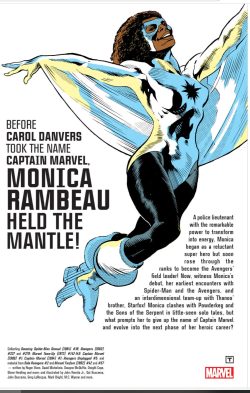
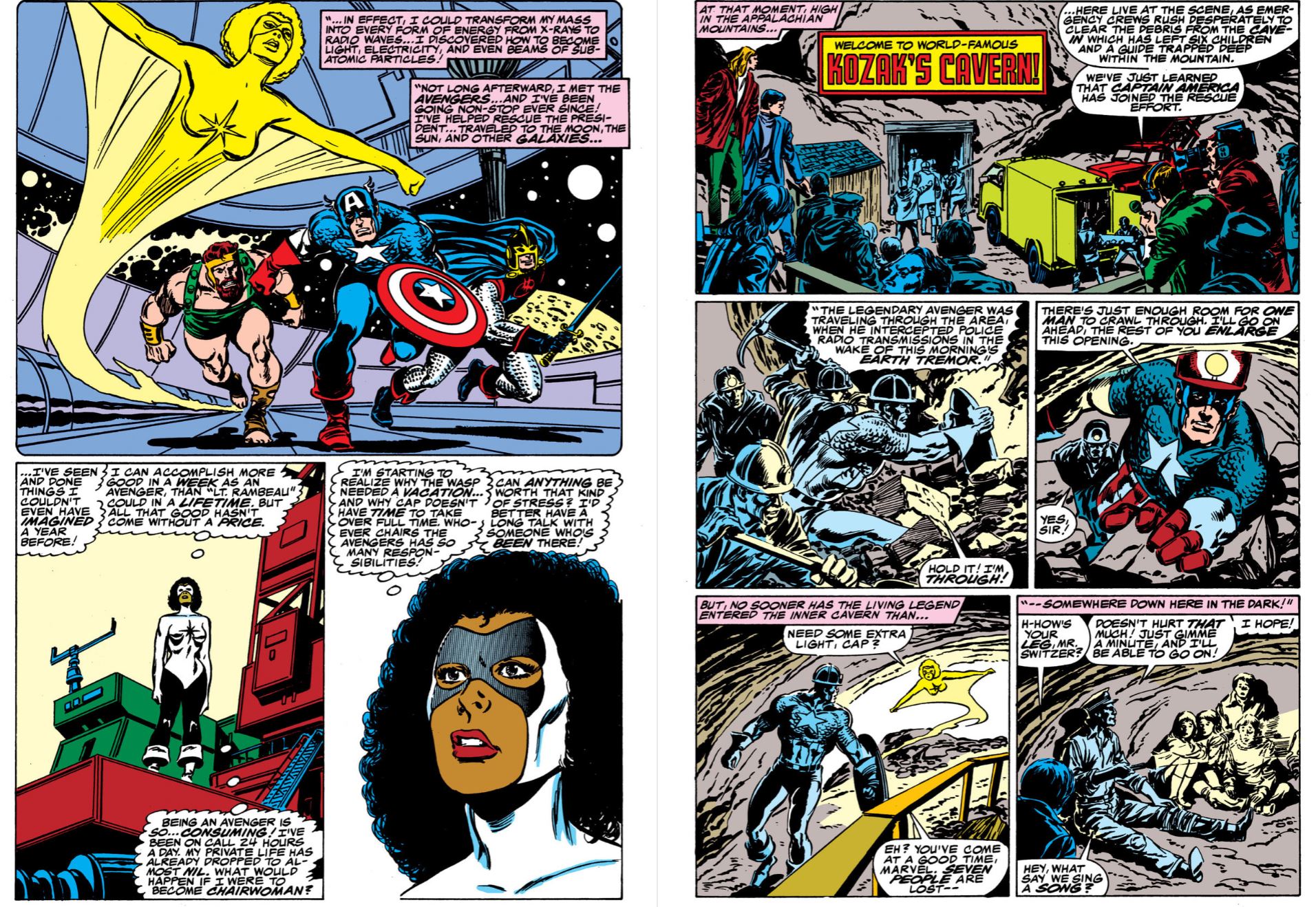
Avengers #189 reveals how deeply unhappy official reservist Hawkeye takes a day job at (corrupt and EVIL) tech company Cross Technological Enterprises and inadvertently begins his steady march to solo stardom. When the current administration began interfering in Avengers business intrusive and obsessive NSA Agent Henry Peter Gyrich laid down the law and winnowed the army of heroes down to a federally acceptable (and “manageable”) seven-and-a-spare: Captain America, Iron Man, Falcon, Scarlet Witch, Vision, Wasp, Beast and Ms. Marvel. Gyrich had spitefully rejected the in-your-face archer in favour of Falcon – who was parachuted in (against his own wishes!) to conform to government affirmative action quotas…

Feeling rejected by the team and definitely still persona non grata to the obnoxious pencil-pushing Government gadfly, Hawkeye goes corporate in ‘Wings and Arrows!’ (Steven Grant, John Byrne & Dan Green). It’s not too long before he’s earning every penny as the new security chief by battling alien avian interloper Deathbird of the Shi’ar…

As a terrifying horror from space crashes to Earth and rampages through Manhattan, the Avengers ae summoned to tribunal seeking to close down the group. However, with a monster in the streets, Beast sees a way to dent Gyrich’s credibility and win back Avengers autonomy in chilling monster-mash ‘Heart of Stone’. Despatched to stop the thing, their subsequent battle draws in scarlet swashbuckler Daredevil who helps expose an old enemy in disguise…

Scripted by Micheline, concluding chapter ‘Back to the Stone Age!’ sees the assemblage overwhelmed by petrifying space pirate The Grey Gargoyle and the Falcon prove his worth until the team can rally and render the marauder helpless, after which artists Arvell Jones & Ricardo Villagran limn #192’s ‘Steel City Nightmare!’ When former industrialist/inventor and occasional Avenger Simon Wonder Man Williams visits Detroit to finalise selling his old steel mill to Tony Stark, they uncover an old but lasting connection to Thor’s uru hammer and the site’s new covert status as a centre of organised crime activity. When a whistle-blower is murdered only to return as a rampaging vengeance-driven flame monster, the call goes out and the Avengers find ‘Battleground Pittsburgh!’ (illustrated by Sal Buscema & Green) to be almost more than they can handle.

Inked by Josef Rubinstein, George Pérez draws the Micheline-scripted ‘Interlude’ in #194, as roster changes saw the Scarlet Witch (briefly) and Falcon leave and Wonder Man return. With Jocasta destabilizing the Vision’s marriage, tensions are high but the later discovery that wannabe actor Simon Williams is moonlighting as a clown on children’s television takes off a lot of edges. Focus abruptly shifts when an apparent escaped mental patient circumvents Avengers security, breaks into the mansion and begs for help. Returned to his carers at the Solomon Institute, Selbe’s plight remains uppermost in Wasp’s thoughts. When she investigates the facility she exposes an horrific science abomination in progress before vanishing without trace…

New Ant-Man Scott Lang got his first dose of team action in Avengers #195 (May 1980) in Michelinie, Pérez, Jack Abel & Green’s ‘Assault on a Mind Cage!’ When his benefactor Hank Pym/Yellowjacket asks Lang to help infiltrate the suspect Solomon asylum he believes holds the Wasp hostage the miniature marvels uncover illegal cloning for spare parts and a murderous madman also capitalising on the facilities to profitably train better henchmen for major villains and mob bosses…

The climactic clash resulting from ‘The Terrible Toll of the Taskmaster’ (by Michelinie, Pérez & Abel) wrecks the joint but leaves former burglar and convict Lang one step closer to true redemption…

Cold War paranoia fuels Avengers #197’s ‘Prelude to the War-Devil!’ (illustrated by Carmine Infantino, Abel and a horde of helpers) wherein overwrought scientist Dr. Cowan absconds from Stark Detroit facilities inside a super-mecha warrior initially built to destroy the undisputed king of Kaiju (see Godzilla: The Original Marvel Years). Unable to stand the tension any longer, the boffin intends triggering WWIII and ending the anxiety of humankind once and for all, but must first face the deployed and increasingly desperate Avengers in ‘Better Red Than Ronin!’ (art by Pérez, Brett Breeding & Gene Day) and cataclysmic climax ‘Last Stand on Long Island’ (inked by Dan Green).

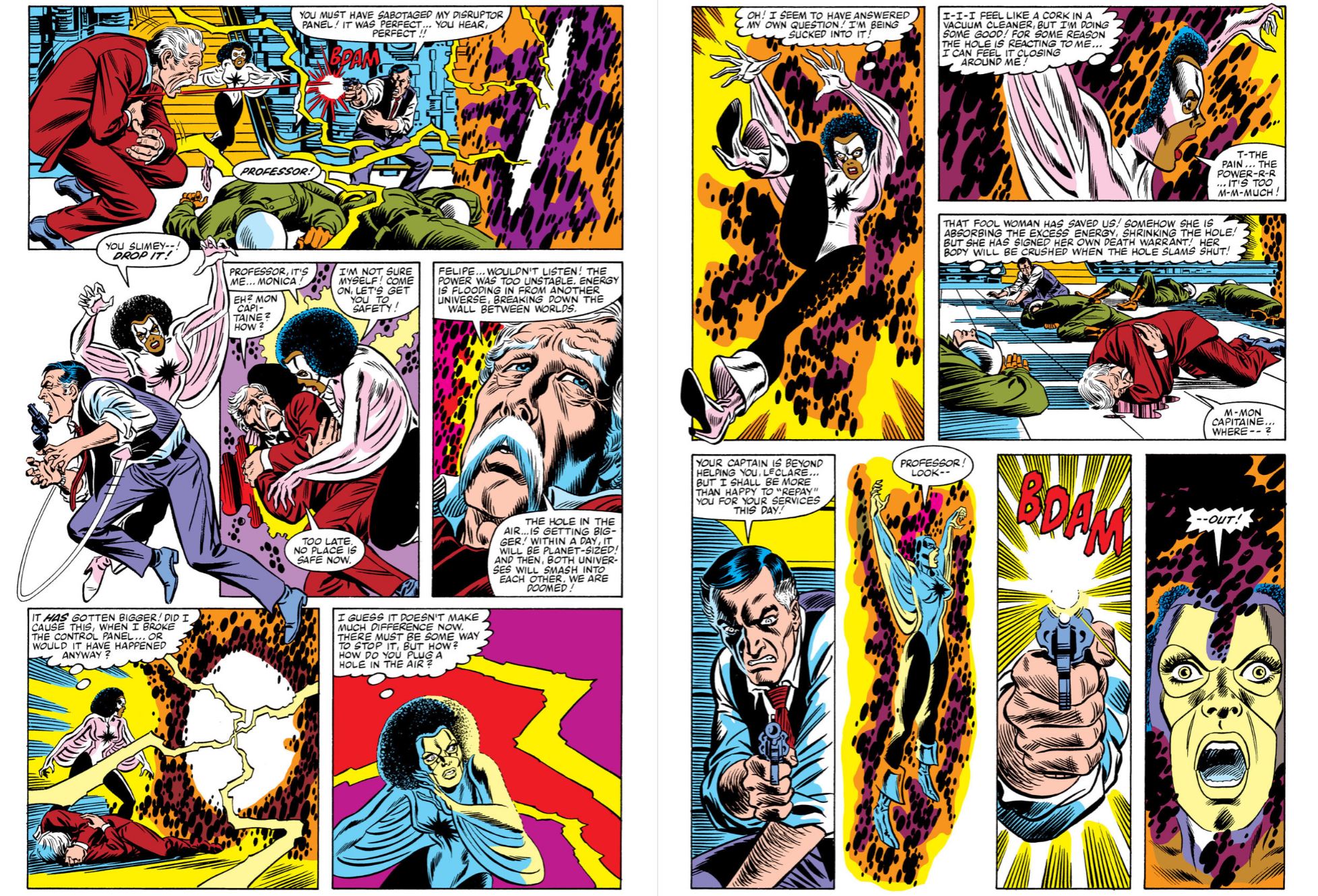
Away from the mounting carnage, a disturbing subplot played out as a strange, terrifyingly rapid transformation sees Carol Danvers (Ms, and these days Captain Marvel) impossibly pregnant and bringing an unknown baby with no father to term in a matter of days. Reaching out to the Scarlet Witch, the hasty decision is to call in the full resources of the Mighty Avengers…

The mystery is solved in bonanza anniversary issue #200 (October 1980 by plotters, Jim Shooter, Pérez & Bob Layton; scripter Michelinie, and artists Pérez & Green). In ‘The Child is Father To…?’ with almost the entire past roster on hand, the miracle baby is born without incident, but consequently hyper-rapidly matures as time goes wild around the city. With different eras overwriting the present, the unearthly boy begins building a machine to stabilise the chaos despite the profoundly suspicious heroes misunderstanding his motives. Marcus claims to be the son of time-master Immortus, seeking to escape eternal isolation in transdimensional Limbo by implanting his essence in a mortal tough enough to survive the energy required for the transfer.

Literally reborn on Earth, his attempts to complete the process are foiled by the World’s Most Confused Heroes and he is tragically drawn back to his timeless realm. Carol, suddenly declaring her love for Marcus, unexpectedly goes with him. The heroes unquestioning acceptance of the result might well be the greatest failure and betrayal in Avengers history…

The clean-up begins in #201 where ‘The Evil Reborn’ sees Michelinie, Pérez & Green adapt a Jim Shooter short story as Tony Stark succumbs to previous, deep-buried hypnotic programming to reconstruct cybernetic conqueror Ultron…

The tale is cut short as back-up strip ‘Bully!’ by Michelinie, Roger Stern, Pérez & Day explores the off-duty life of butler Edwin Jarvis as he improves his home neighbourhood with a little human-scaled heroism and defiance in the face of insurmountable odds…

The Avenging escapades pause for now with bombastic brutal closing chapter ‘This Evil Undying’ (Micheline, Pérez & Mike Esposito) as the team (Captain America Thor, Wasp, Vision, Scarlet Witch, Hawkeye and Jocasta free Iron Man from the metal maniac’s domination and apparently end the threat forever…

Supplementing the main drama are a brace of contemporaneous tales beginning with the first Wonder Man solo saga, as published in Marvel Premiere #55 (August 1980). ‘A Force of Two!’ by Micheline, Layton, Ron Wilson & Joe Sinnott sees Simon Williams return to another of his old factories (in Brooklyn this time) to clean out the criminal trash who took over after his “death” and eventual resurrection as being of ionic energy. Even he isn’t quite enough to oust entrenched Maggia mobsters – and their lawyers – and requires a little offbeat assistance from an old pal who risks everything to atone…

Next comes a six-page vignette starring The Vision, created during a rookie initiative program in 1976 by Tom DeFalco, John Fuller & Bruce Patterson, ‘Double Vision’ sat in the inventory drawer until seen in Tales to Astonish (vol 2 #12, November 1980) and relates how the eerie android saves a diplomat and other caught in a plane hijacking…

With covers by Byrne, Pérez, Frank Miller, Dave Cockrum, Wilson, Sinnott, Green, Bob McLeod, Rubinstein and Terry Austin; original art pages from Byrne, Pérez, Green & Day; the Pérez/Tom Smith painted cover to Avengers Visionaries: George Pérez (1999) and the aforementioned Brevoort appreciation of the artist from that tome, this compelling collection is available in hardback and digital iterations, and a must-read moment of wonder every fan must see.
© 2019 MARVEL.
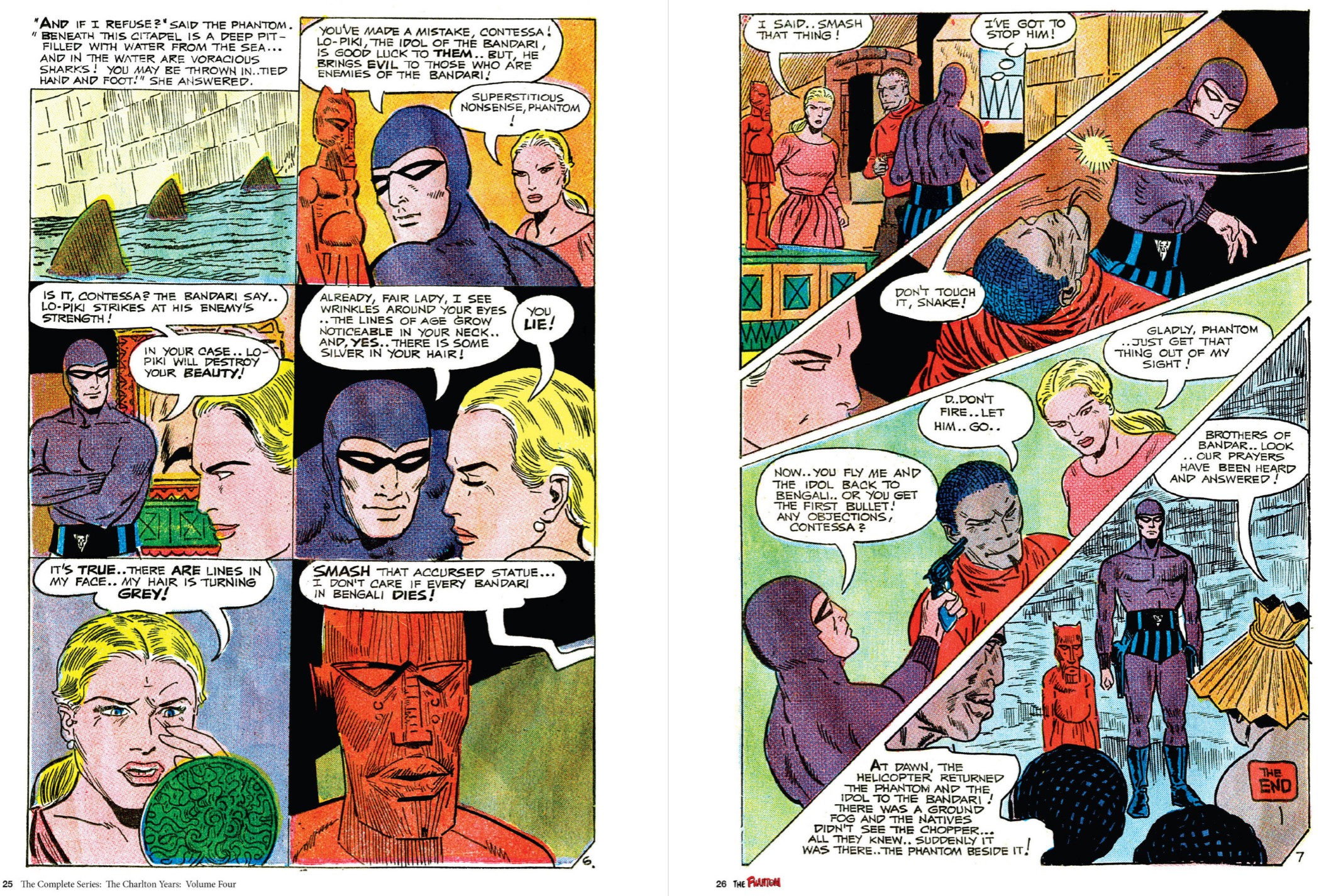
Today in 1877 Catalan comics creator and pioneer Tomàs Padró died, as did French surrealist cartoonist and multimedia maven Roland Topor in 1997. In 1934 Chilean Disney artist Vicar (Víctor José Arriagada Ríos) was born, as was arch-stylist Paul Rivoche (Mister X, Batman, Exile of the Aeons) in 1959.

On this date in 1990 The Times of India supplement Indrajal Comics published its last issue. Started in 1964 its 805 issues brought The Phantom, Flash Gordon, Mandrake, Garth, Rip Kirby, Phil Corrigan, Buz Sawyer, Mike Nomad, Kerry Drake, and others to millions of readers, and in 1976 debuted homegrown Indian hero Bahadur by Aabid Surti.

Max and Moritz – translated from the German by Mark Ledsom


By Heinrich Christian Wilhelm Busch translated /adapted by Mark Ledsom (Puskin Children’s)
ISBN: 978-1-78269-254-6 (HB/Digital edition)

This book includes Discriminatory Content produced in less enlightened times.

Do you remember when exhausted adults would say something – such as a favoured book – was just “for the children”?

For over a century today’s subject was the quintessential tome those grownups were talking about, but just like so many beloved bygone fairy tales, it probably should not have been. Its well-meaning creator was a gentle, witty family guy whose carefully crafted child’s amusement (along with successive pictorial essays and yarns) become a cornerstone of comics development, as well as one of the earliest and most popular graphic narratives of all time…

Naturally, as child-rearing fashions and notions evolved over decades, so too did the go-to exemplars and visually-aided fairy tale-fuelled social primers that helped form succeeding generation. Nevertheless, when you go back and actually read those old reliable kindergarten standbys, you might be able to grasp why so much of our history turned out the way it did…

Joking aside, so much of traditional western childhood behaviour-shaping salutary fare is Germanic in origins but creepy as £@$#!*! As a staunch pedagogue (no, go look that up before you make a fool of yourself) of Teutonic origins I cannot express how inversely proud that makes me feel…

Heinrich Christian Wilhelm Busch was born in Wiedensahl, Germany today in 1832. The eldest of seven surviving children, he led a remarkable, eventful but ultimately tragic life. At his prime, despite poor health he became a successful and acclaimed artist and writer, professional painter and poet, sought after humourist and pioneer of comic strips and children’s publishing…

In an era of burgeoning literacy and ironclad views on morality and propriety, books made to traumatise kids into being good began with Heinrich Hoffman’s 1845 release Struwwelpeter and could be found in most middle class homes across the western world. Thus as part of a welter of articles and commentaries churned out at a time of financial need, jobbing writer/artist Busch added his own with the October 1865 launch of Max und Moritz – Eine Bubengeschichte in sieben Streichen.

It should have been released through Ludwig Richter Press – a producer of children’s books and “Christian Devotional Literature” – but when they rejected it, the manuscript passed to the artist’s previous publisher Kaspar Braun. A slow seller, Max and Moritz – A Story of Seven Boyish Pranks picked up traction in 1868 with a second edition, and by Busch’s death in 1908 had sold nearly 450,000 copies. It wasn’t hurt by teachers attacking it, declaring it “frivolous and an undesirable influence on the moral development of young people.”

None of his later comics prototypes were as successful. At the time of Busch’s death it was translated into English, Danish, Hebrew, Japanese, Polish, Hungarian, Portuguese, Russian, Swedish, Latin and Walloonian, but also banned in many countries or barred to readers under 18. By 1997, there were another 281 dialect and language translations available.

Beautifully illustrated and a hugely popular yet controversial addition to the genre of cautionary tales for the instruction and correction of wayward youth, this edition enjoys a careful and liberal re-translation by Mark Ledsom. However, like most kids’ stories from the latter centuries of the last millennium it comes with terrifying warnings, admonitory notes and a moral message baked in (on this occasion, quite literally).

Rendered in stunning pen-& ink linework and described in snappy rhyming couplets we meet a pair of ghastly oiks very reminiscent of Young Tory hopefuls in the ‘Introduction’ prior to the jolly japesters launching their ‘First Prank’ against Old Widow Palmer and her poor poultry…

The ‘Second Prank’ expands the lads’ animal cruelty into framing the widow’s dog for theft before a ‘Third Prank’ targets and endangers harmless tailor Mr. Bock whilst teacher Lampel is nigh assassinated in the ‘Fourth Prank’

The terrorism encompasses Grandpa Fritz in the ‘Fifth Prank’ as the twisted tots unleash insect hell, after which the ‘Sixth Prank’ sees them burgle, vandalise and pay a stiff price for breaking into the Bakery, before reaping what they sowed after targeting a farmer in their ‘Final Prank’. With justice ferociously served, all that’s left is a sinister summing up, courtesy of a relatively recondite ‘Conclusion’

Also included here for scholars and show-offs is a foreign language addition of ‘Max und Moritz (Original German Text)’ as well as a fulsome ‘Translator’s Note’ from Ledsom. Noteworthy, remarkable, influential and rather hard to take for many modern readers, Max and Moritz marked a key point in the development of comics… and quite possibly passed a minor Rubicon in human taste. If you need to see how we got here, this is definitely the place to start…

Although the book is in public domain now this version enjoys some proprietary rights.
English translation © 2019 Mark Ledson. All rights reserved.

Today in 1832, German picture story pioneer Wilhelm Busch was born, as was cartoonist Billy De Beck (Barney Google) in 1890; David Breger (Mr Breger, Private Breger, G.I. Joe) in 1908; and Britain’s legendary Denis McLoughin (Roy Carson, Swift Morgan, Buffalo Bill) in 1918 and Argentine line wizard Alberto Breccia (Mort Cinder) one year later.

Good penmanship is crucial in our game but isn’t always apparent, which is why we’re wishing all-star Jerry Grandenetti a posthumous “happy birthday” for today in either 1925 or 1927. Ten years later, unsung giant Tom Sutton (Vampirella, Captain Marvel, Not Brand Echh, Werewolf by Night, Planet of the Apes, The Hacker Files) arrived, complemented by Sara Pichelli (Spider-Man, X-Men, Girl Comics) in 1983.

Ed Dodd’s Mark Trail launched today in 1946, as did UK comic Terrific in 1967 but the date also marks the loss of internationally-acclaimed illustrator Alberto Giolitti (Star Trek, Turok, King Kong, Tarzan, Cisco Kid, Lone Ranger, Cinque anni dopo, Tex Willer ) in 1993; Brant (Wizard of Id) Parker in 2007 and Marty Greim (Thunderbunny, The Shield, Black Terror, Atomic Mouse, Disney characters) in 2017.

Romo the WolfBoy by ILYA


By ILYA (SelfMadeHero)
ISBN: 978-1-914224-44-7 (HB)

This book includes Discriminatory Content included for comedic and dramatic effect.

ILYA is a multi-award winning comic book writer and artist whose work has been published by Marvel, DC, Dark Horse, Kodansha and independent companies all over the world. Previous prose and/or pictorial accomplishments include the Manga Drawing Kit; Time Warp: The Future’s Now …and it’s a Riot; BIC; The End of the Century Club sequence; Room for Love; The Clay Dreaming and modern drama Skidmarks. Commercial clients comprise the BBC, Royal Academy of Arts, newspapers The Times, Guardian, East End Life and legendary stripzine Deadline. ILYA has worked with Eddie Campbell on Deadface and Bacchus, edits the Mammoth Book of Best New Manga series, and like all comics creators has a secret identity, sometimes answering to the soubriquet Ed Hillyer…

This latest venture combines his obvious love of British mythologies, whimsies and historical micro-cultures, all cunningly interwoven with cheeky comics lore from across the world. A genre-mixing mystery saga of the strange and (potentially) paranormal, the potent pastiche debut yarn introduces a brace of old-fashioned odd fellows evolving into emergent crime-solving associates…

The unfolding imbroglio is delivered primarily in welcoming pencil hues and traditional block-text & image format with the occasional modern graphic narrative tweak, all premiering a fresh pantheon of eclectic wonders, as we peep into the closeted lives of a troupe of travelling entertainers in Victorian England. Revelations are seen through the learning experiences and rapid advancement of a secretive neophyte recently enrolled as a stage hand, and the bizarrely enigmatic living attraction who befriends and adopts the secretive newcomer…

Romo the Wolfboy (…in Strange Case of Cackle and Hide) heaps tragedy upon mystery as tight-lipped “Francis X” – who ran away to the circus for reasons of their own – develops transformative friendships (and some foe-making) after being accepted into the closed family circuit of Blimey O’Riley’s Travelling Circus. The serried hierarchical ranks of outsiders have their own ways, cherished observances and even unique language – and also hard-held misconceptions and prejudices – but Francis is smiled upon by Ringmaster O’Riley himself. It’s an attraction and fascination shared by the weird, non-verbal freak attraction who is said to have been raised by wild animals…

As Francis and Romo spar and bond, they come to grips with this odd enclosed world in miniature that encompasses love and hate, fear and acceptance and all the broad panoply of human life in between. However, everything takes an unpleasant and even uncanny turn after the big top is set up in the next village. Here, despite the gob-smacked anticipation of the locals, sabotage, unwarranted assaults and ultimately murder-attempts start chipping away at the wandering clan’s solidarity, Soon a monstrous uncannily giggling villain is recognised if not actually identified, and Romo and Francis X are catapulted into the role of guardians and problem-solvers. The hunt for the obsessed village elite determined to destroy them all… or at least banish the players from the region… is hard, baffling work, and most disturbingly, many incidents defy logic or reason while somehow connecting past sins to future threats. …And what role do the chickens play in all this?

Bracketed by context-creating preludes ‘The Carny Code’ and ‘Introducing…’ the hilarious, uproarious and outrageous events are balanced by further extras at the end. Enhancing enjoyment with education and elucidation we ‘Roll up Roll up’ to explain historical carny argot “Ciazarn” – readily deployed through the tale to enhance the experience – in a fascinating briefing that seamlessly segues into teasing tweaks of meta-reality moments as the author offers a list of devious ‘Easter Eggs’ buried within the sawdust saga before ending the entertainment with extracts from his ‘Romo the WolfBoy Production Blog’

Wry, anachronistically bold, and breezily beguiling, Romo the WolfBoy began as online episodes on ILYA’s Substack, playing out over a year, Thus this unmissable day out delight and jolly jaunt concludes with an acknowledgement of the Kickstarter contributors who helped its transition to the thick comforting pages here with big thank you ‘Made Possible by Public Funds’

All the fun of the fair plus every additional chill and thrill you could possibly stand besides, the wonderment here is but a teaser of more and greater marvels to come, so read this now and writhe in anticipation for forthcoming encore Romo the WolfBoy and Francis X (Investigators of the Paranormal) in The Fall and Rise of Springheeled Tom
© & ™ Ed Hillyer / ILYA. All rights reserved.

Today in 1924, Roy Crane’s epic, trailblazing strip Wash Tubbs began a run that would carry the little wonder all the way to 1988 and spawn tough guy prototype Captain Easy. In 1950 Eagle launched, bringing thrills glamour and Dan Dare to the benighted comics-deprived children of Britain.

Prior to all that, in 1920 Golden Age Great Sheldon Moldoff (Hawkman, Black Pirate, Kid Eternity, Batman, Gangbusters) was born, followed in 1949 by Dave Gibbons (Dan Dare, Rogue Trooper, Watchmen, Give Me Liberty, The Originals); Chuck Dixon (Batman, Robin, Nightwing, Punisher) and Katsuhiro Otomo (Akira) in 1954; Daniel Clowes (Eightball, Ghost World, Like a Velvet Glove Cast in Iron) in 1961 and Korean manhwa star Hyung Min-woo (Priest) in 1974.

On this date in 1957 we lost British veteran cartoonist and poster-maker Will Owen (Lux, Bovril, The Bisto Kids) and New Zealand satirist John (Varoomshka) Kent in 2003.

The Avengers in the Veracity Trap


By Chip Kidd & Michae Cho & various (Abrams Comic Arts/MARVEL Arts)
ISBN: 978-1-4197-7067-8 (HB) eISBN: 979-8-88707-137-4

Jacob Kurtzberg (AKA Jack Curtiss, Curt Davis, Lance Kirby, Ted Grey, Charles Nicholas, Fred Sande, Teddy, “The King” and others) did lots of stuff but most significantly inspired millions if not billions of people by drawing his ideas. This book is one of the most engaging examples of how that process has become self-sustaining…

After a period of meteoric expansion, in 1963 the blossoming Marvel Universe was finally ready to emulate the key DC concept that had cemented the legitimacy of the Silver Age of American comics. The notion of putting a bunch of all-star eggs in one basket had made the Justice League of America an instant winner and subsequently inspired the moribund Atlas outfit – primarily Stan Lee, Jack Kirby & Steve Ditko – to conceive “super-characters” of their own. The initial result, in 1961, was The Fantastic Four

After 18 rollercoaster months, the fledgling House of Ideas had generated a small but popular stable of costumed leading men (but still only 2 sidekick women!), allowing Lee & Kirby to at last assemble a select handful of them into an cross-branding squad, moulded into a force for justice and soaring sales.

Seldom has it ever been done with such style and sheer exuberance. Cover dated September 1963, The Avengers #1 launched as part of an expansion package which also included Sgt. Fury and his Howling Commandos and The X-Men: all glorying in the full, unfettered  force of imagination unleashed. Each change-packed revolutionary issue by Kirby, Lee and their confederates stirred a pot filled with hyperdynamic characters and layers of compelling world-building.

For the Avengers it had all started in Asgard, where immortal trickster Loki was imprisoned, hungry for vengeance on his noble half-brother Thor. Malevolently observing Earth, the vile divinity had espied the monstrous, misunderstood Hulk and mystically engineered a situation whereby the man-brute seemingly went wild, all with the intention of having the Thunder God fight the monster. When Hulk’s teen sidekick Rick Jones called the FF for help, devious Loki had scrambled and diverted the transmission and awaited the carnage that must follow.

Sadly for the schemer, Iron Man, Ant-Man and The Wasp also caught the redirected SOS. As heroes converged to search for the Jade Giant, they realised something was amiss, leading led their first assembled assault on Loki. It was the beginning of a legend and over the next seven issues (plus guest shots in other titles!) it sparked heroes coming and going, and villains without peer setting new standards for wickedness…

That primordial period of Kirby-limned luminal ideas and escalating inspirational influences is a mini halcyon era: one potently, evocatively addressed and revered in this very special project from two iconic modern award-winners and devout comics lovers. With their “Veracity Trap” designer/author/historian Chip Kidd (Batman: Death by Design, Jack Cole and Plastic Man, The Cheese Monkeys) and designer/author/illustrator Michael Cho (Papercut, Shoplifter, hundreds of DC and Marvel covers) cheerfully knock down all the fourth walls and puckishly inject themselves into the medium and their message to deliver a compelling pastiche of all that too-brief Kirby-spawned early Avengers wonderment.

Suitably packed with stirring tribute moments from eye-bending wonder-machines to stellar landscapes, and packed to the scaly oversized gills with charmingly monstrous “Kirby-Kritters” aiding and abetting the heroes and villains, this rocket-paced epic sees a team that never quite was – Thor, Iron Man, Giant-Man, The Wasp, Captain America and The Hulk – unite to battle Loki once more, only to be booby-trapped and portentously propelled beyond their home universe into a Greater (albeit still Four-Colour) Reality where godlike cartoonists and pen-pushers casually dictate their fates… until the malevolently malign God of Mischief usurps their elevated position and endangers all layers of existence!

Co-produced by Marvel and Abrams ComicArts, The Avengers in the Veracity Trap is a gleefully witty homage sampling and extrapolating upon all those beloved graphic and narrative landmarks and milestones of early Marvel – even incorporating pages of ‘Mighty Mavel Pin-ups!’ – and sending waves of crushing nostalgia through those of us who were there and curious neophytes alike…

Although this hark-back to halcyon days is literally all about the visual verve, fanboys like me can also be assured that continuity and characterisation are also faithful extrapolations – albeit with the painful Sixties gender stereotyping given a thorough going over – of what has gone before, augmenting a spectacular paean of praise and wishful thinking to those gone but never forgotten glory days…
© 2025 MARVEL.
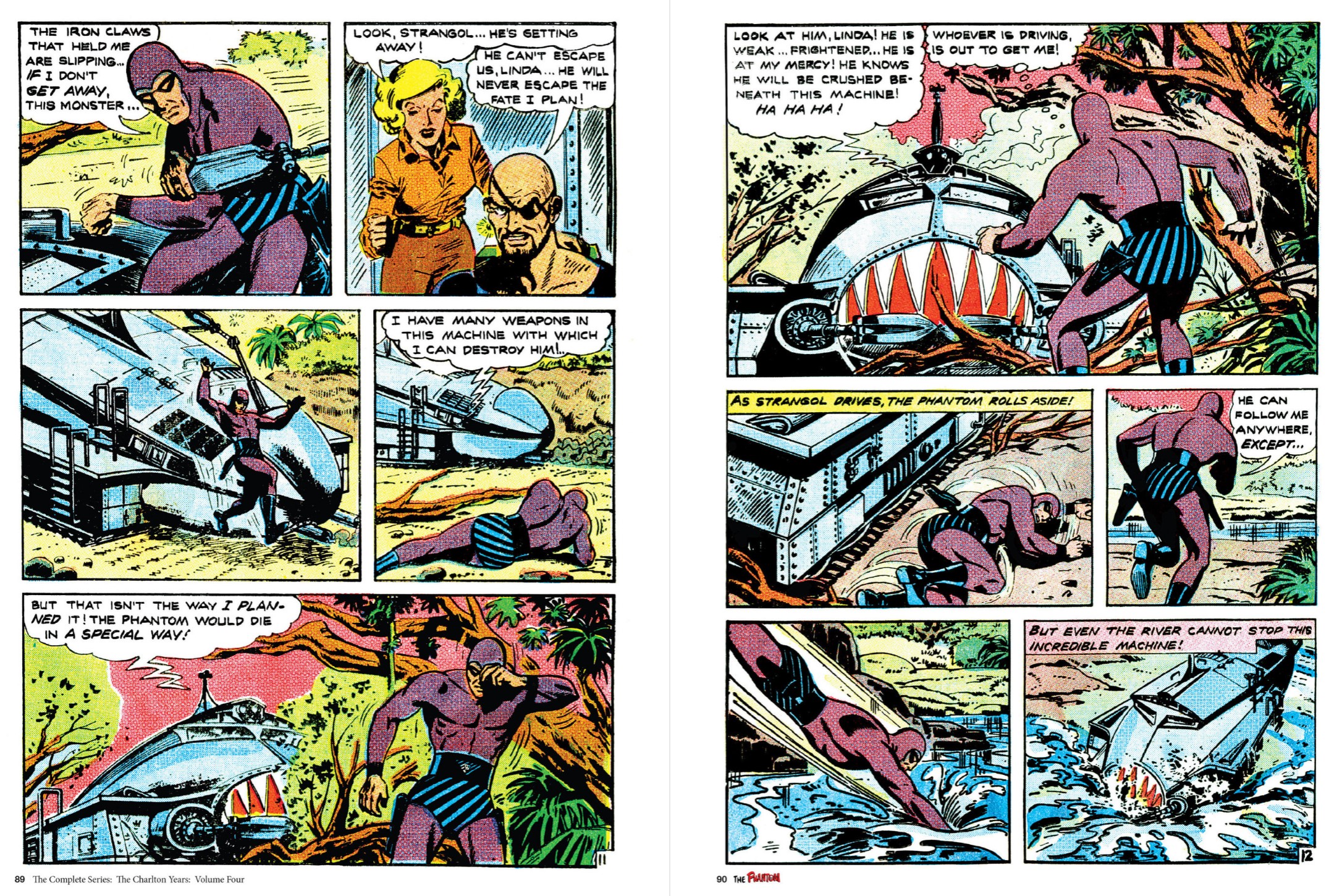
A date for firebrands and iconoclasts, today in 1925 conspiracy-theorist/ judgemental Christian fundamentalist comics creator Jack Chick was born, as was award-winning French satirist and bane of conservatism Jean-Marc Reiser (Hara-Kiri, Charlie Hebdo) in 1941. Less controversially we also welcomed Argentine comics artist Ricardo Villagran (Tarzan, Evangeline) in 1938, and in 1987 said farewell to mighty Joe Colquhoun (Paddy Payne; Roy of the Rovers; Saber, King of the Jungle; Football Family Robinson; Soldier Sharp, the Rat of the Rifles; Kid Chameleon, Adam Eterno; Charley’s War et al). In 2005 Italo-Argentine art ace Juan Zanotto (War Man, Henga, Bárbara, Falka) died too.

Daily Mail Nipper Annual, 1940 Facsimile Edition


ISBN: 978-0-90080-431-1 (TPB)

This book includes Discriminatory Content produced in less enlightened times.

As we apparently stumble into another global conflagration sparked by hatred and steered by greedy, needy raving lunatics, why not return with me again to the early days of World War II and experience the charm and creativity of the English in the face of impending disaster and unfolding calamity? Or perhaps I should say try and find this wonderful reproduction of one of those war years’ most popular strips, now all but forgotten…

Cartoonist, comics creator and celebrated animator Brian White first created this roguish charmer of a toddler in 1933 and he outlasted the Nazis by a good margin, only putting down his toys in 1947. However the bonny lad’s pantomimic antics – most strips were slapstick gags without dialogue – were loved by children and adults in equal measure. The feature ran in The Daily Mail and even with wartime restrictions, seasonal annuals were a foregone conclusion. The public demanded it.

Brian “H.B.” White was born in Dunstable in 1902 and divided his artistic gifts between moving pictures and cartooning for comics and papers. His other strip success included Dare-a-Day Danny and Little Tough Guy in Knockout; Keyhole Kate in Sparky; Plum Duffy in The Topper and Double Trouble for the London Evening Standard.

His film work was as impressive and far-reaching, beginning with cartoon short Jerry the Troublesome Tyke in 1925 and ending with the Halas & Batchelor team that created the landmark animated film Animal Farm in 1954.

HB died in 1984, but his work is timelessly accessible and deserves to be re-discovered.

Bold, vivid and ingenious, The Nipper Annuals were a part of British life for almost two generations, but in this splendid revived and resurrected edition topics of Wartime utility played the foremost part of the morale-boosting process in strips and features actually produced in the earliest weeks of the war.

As well as the superb bold line artwork, there are plenty of fascinating advertisements of the period for the grown-ups; dedicated pages for the kids to draw their own strips (ready-ruled with panels and borders – always the worst job, as any cartoonist will tell you!) and a handy calendar for 1940. Please recall, British Annuals were released around autumn to be on sale during Christmas time and were always forward-dated for the following year.

And to top it off the entire package also doubles as a colouring book! What Larks!

Kidding aside, this was a wonderful look back offering insight into our comic strip past from a master craftsman. That it has such entertainment and socio-historical value is a blessed bonus, but the real treasure is the work itself. All credit to those responsible for re-releasing it, and I fervently wish more companies would make similar efforts to keep our cultural history accessible.
© 1995 B&H Publications/White Crescent Press Ltd. (I presume.)

Today in 1927 Spanish comics master Victor de la Fuente (Haggarth, Los gringos, Tex Willer, et al) was born, followed by Portuguese star Carlos Roque (Wladimyr) in 1936; Cuban raconteur Eduardo Muñoz Bachs (El Cuento); Kirby-trained US journeyman Steve Sherman in 1949 and controversial Italian megastar Tanino (RanXerox) Libertore in 1953.

Latterday leading lights include US Manga trailblazer Toren Smith of Studio Proteus, arriving today in 1960; amazing Amanda Conner (Batgirl, Power Girl, Harley Quinn) in 1967; J. Scott Campbell (Gen 13, Danger Girl) in 1973 and Rafael Albuquerque (Blue Beetle) in 1981. In 1999, Argentine scripting powerhouse Ricardo Barreiro (Bárbara, Slot Barr, As de Pique, Ciudad, Estrella Negra, Parque Chas, El Eternauta: Odio cósmico) died today.

DC Finest: The Flash – The Fastest Man Dead


By Robert Kanigher, Mike Friedrich, Steve Skeates, Dennis O’Neill, Bob Haney, Len Wein, Cary Bates, Gil Kane, Irv Novick, Don Heck, Dick Dillin, Bob Brown, Murphy Anderson, Dick Giordano, Joe Giella, Nick Cardy, Frank McLaughlin, Tex Blaisdell, Carmine Infantino, Neal Adams, Jack Adler, Tatjana Wood, John Costanza & various (DC Comics)

ISBN: 978-1-77952-836-0 (TPB)

This book includes Discriminatory Content produced in less enlightened times.

Here’s another compelling DC Finest edition: chronologically curated paperback archives (generally around 600 pages) highlighting past glories. Whilst primarily concentrating on the superhero pantheon, there are genre selections including horror, sci fi, western and war books, but sadly none yet available digitally. However, we live in hope…

The Silver Age of US comics is formally and forever tied to Showcase #4 and the rebirth of The Flash. That epochal issue was released in the late summer of 1956 and from it stems all today’s print, animation, games, collector cards, cosplay and TV/movie wonderment. No matter which way you look at it, the renaissance began with The Flash, but it’s an unjust yet true fact that being first is not enough: it also helps to be best and people have to notice. MLJ’s The Shield beat Captain America to the news-stands by over a year yet the former is all but forgotten today. I mention that here as it pertains to this collection, which sees the advent of original Shield co-creator Irv Novick (Bob Phantom; Hangman; Steel Sterling; Silent Knight; Robin Hood, all DC war books, Captain Storm; Sea Devils; Batman, The Joker; Lois Lane; Tomahawk and more) as the Scarlet Speedster’s regular illustrator; a run (oh. Ha-Ha.) spanning Flash #200-270 and close to a full 10-year stretch with him only absent for #205, 213-214 & 264…

For the early trendsetting sagas and situations you should catch DC Finest: The Flash – The Human Thunderbolt and take as read that here the (second) Flash is Barry Allen, a police forensic scientist simultaneously struck by lightning and bathed in exploding chemicals from his lab. Supercharged by the accident, Barry (a lifelong fan of comic books) took his superhero identity from his favourite childhood reading – and eventually his acknowledged alternately Earth predecessor. Once upon a time there was a “fictional” scientist named Jay Garrick who was exposed to the mutagenic fumes of Hard Water and promptly became the “fastest man alive”…

Wearing a sleek, streamlined, tricked-out bodysuit (courtesy of  Carmine Infantino – a major talent approaching his artistic and creative peak), Barry was point man for the spectacular revival of a genre and an entire industry. He also became a renowned intergalactic champion, wholesome family man and paternalistic elder statesman of the superhero set after marrying his longtime fiancée Iris West

With Infantino safely elevated to DC’s current publisher, this splendidly tempting full colour paperback of Seventies hits displays the glorious work of the last replacement illustrators before the Flash landed in Novick’s hands, just as changing tastes rejected the previously paramount, rationalistic science fiction worlds touched by the Vizier of Velocity. Now high speed action involved issues of social relevance and themes of supernatural horror and makes for some weird moments as this copious compendium covers The Flash #197-229 (May 1970 – October 1974) plus guest shots in World’s Finest Comics #198-199 (November & December 1970) and The Brave and the Bold #99 (December 1971/January 1972).

Gil Kane & Vince Colletta capture all the fun and thrills of Mike Friedrich’s ‘Four-Star Super-Hero’ in the opening yarn of Flash #197 as a sharp cop spots a private communication tic only shared with his lab partner Barry Allen. Attempts to save a secret identity and convince Charlie Conwell otherwise are further hampered by blizzard conditions in Central City, canny crooks with jetpacks and skis, a flu epidemic and Barry’s dedication to Amateur Dramatics, which see him take time out to play every part in the local presentation of Hamlet. All’s well that ends well and after that show goes on, it’s back to cosmic basics with Robert Kanigher’s ‘To the Nth Degree’ showing the Crimson Comet catapulted across the universe to save fire-beings on an exploding planet, courtesy of another wild invention of his father-in-law Professor Ira West

Kanigher, Kane & Colletta open #198 where ‘No Sad Songs for a Scarlet Speedster!’ has three orphan kids aid a gun-shot and temporarily brain-damaged Flash regain his lost mojo before neophyte superhero Zatanna guests in ‘Call it …Magic’ (by Friedrich, Don Heck & Colletta) and requires swift rescue after being abducted across arcane dimensions by macabre body-snatcher Xarkon

Kanigher, Kane & Colletta’s ‘Flash? Death Calling!’ in #199 focuses on the ordeals of scientist Dr Hollister who dons the scarlet skin-tights to punish himself after apparently accidentally killing the hero. However that guilt also saves the day and resurrect the speedster – just in time for Flash to meet superspy Colonel K (of US-IN-T Agency) and stop a Chinese energy missile smashing into ‘The Explosive Heart of America!’ (Kanigher, Kane & Colletta)

Novick and inker Murphy Anderson join Kanigher for anniversary celebration ‘Count 200 – and Die!’ as the Monarch of Motion succumbs to mind manipulation and is manoeuvred by sinister siren Dr. Lu into  assassinating the US President. Thankfully our hero (Flash of course, not PotUS!) is faster than his own fired gunshot and is back in all-American action for #201, enduring Kanigher, Novick & Anderson’s ‘Million-Dollar Dream!’ and applying tough love to wheelchair bound sports star Pablo Hernandez. The treatment restores the player but that’s only fair as the hero was responsible for initially crippling the kid…

Many issues offered second stories at this time, and the policy of guest shots for other Flash-family favourites was solidly in place. Here Kanigher, Novick & Anderson take us to Earth Two and swift encore for an old villain as Jay Garrick produces – eventually – the ‘Finale for a Fiddler!’

Although costumed hero capers were waning in general appeal, Flash was still hugely popular. Thus when World’s Finest Comics began a run of Superman team-ups with #198, the Red Runner was the clear first choice and allowed editors to return to a thorny topic which had bedevilled fans for years.

The comic book experience is littered with eternal, unanswerable questions. The most common and most passionately asked always begin “who would win if” or “who’s strongest/smartest/fastest…” Here, crafted by Denny O’Neil, Dick Dillin & Joe Giella, ‘Race to Save the Universe!’ and concluding instalment ‘Race to Save Time’ (WFC #198-199) upped the stakes on two previous competitions as our high-speed heroes are conscripted by the Guardians of the Universe to circumnavigate the entire cosmos at their greatest velocities to reverse the rampage of the mysterious Anachronids: faster-than-light creatures whose pell-mell course throughout galaxies is actually unwinding time itself and unravelling the fabric of creation. Little does anybody suspect that Superman’s oldest enemies were behind the entire appalling scheme, but the battle was swiftly won and reality saved in the end…

It was a far more grounded but no less chilling situation in Flash #202 where Kanigher, Novick & Anderson despatch reporter Iris Allen to Hollywood where she is kidnapped by murderous cultist creeps ‘The Satan Circle’ and her frantic husband confronts the unknown and the worst aspects of human nature to save her. Kid Flash then endures his own eldritch overload as ‘The Accusation!’ (by Steve Skeates, Dillin & Anderson) finds college-age comet Wally West tormented by visons of impending death that come appallingly true…

With Kanigher, Novick & Anderson at the helm #203 augured a huge change in the cosy domestic set-up as ‘The Flash’s Wife is a Two-Timer!’ reveals that Iris is actually a foundling sent through time to escape atomic armageddon and only the adopted child of scatterbrained super-genius Ira West. When the process reverses itself and she is dragged back to the future – Central City 2970 AD – The Flash follows and is caught up in a war that has been all but won by oppressive East-bloc tyrant Sirik the Supreme. Of course his intervention is enough to reset the scales before he returns baffled bride Iris Russell (née West)-Allen to her immigrant time period.

Once there though, repercussions of the revelation continue as a recovered 30th century keepsake turns her into an uncontrollable, secret-exposing blabbermouth in #204’s ‘The Great Secret Identity Exposé!’ with the Justice League understandably irate that Flash talks in his sleep and his wife knows all their civilian identities…

Back up tale ‘The Mind-Trap’ (Skeates, Dillin & Anderson) then sees Kid Flash chasing a body-stealing Egyptian pharaoh’s ghost to end the issue on a lighter note…

The Flash #205 was another hugely popular reprint collection of the era, sporting a cover by Dick Giordano (and included here) before it was back to spooky business in #206 for Kanigher, Novick & Anderson’s ‘24 Hours of Immortality!’ as haughty alien superbeings resurrect a recently killed surgeon and young mother to attend to unfinished business, but for the most mean-spirited motives – until Flash intervenes with a lesson all could benefit from.

With the supernatural now fully unleashed at DC, Flash #207 led with Friedrich, Novick & Anderson’s ‘The Evil Sound of Music!’, as former mystic hero Sargon the Sorcerer exploits his own family and rock ‘n’ roll-loving kids to restore his lost powers, before confronting the Scarlet Speedster, his own inner demons and rapacious external devils on the path back to the light. Grounding that journey to hell, Kid Flash then faces ‘The Phantom of the Cafeteria!’ ending the depredations of a superfast, hyper-hungry alien in a quick but satisfying yarn from Skeates, Dillin & Giordano.

In #208, Kanigher, Novick & Anderson exposed ‘A Kind of Miracle in Central City’ as wayward kids exploited by drug pushers are saved by prayer, the timely intervention of nuns and invisible superspeed before Flash #209 debuted new regular writer Cary Bates. He would run with the Vizier of Velocity for the rest of the series, only missing #213-214, 217, 293, 306 and 313 between 1970 through 1985.

Fresh from the starting blocks, Bates, Novick & Giordano took the speedster into higher, weirder realms ‘Beyond the Speed of Life!’ where Flash and reality shielding Sentinel stopped existence from being devoured. Meanwhile, on mundane Earth old Rogues Trickster, Captain Boomerang and Gorilla Grodd squabbled over bragging rights for who had finally killed the hero. At the back, Kid Flash saved a student troubled by gangsters in ‘Coincidence Can Kill!’ courtesy of Skeates, Dillin, Giordano.

A visit to 2971 came with #210 as Bates, Novick & Giordano expanded the Earth East-Earth West “warm” war in ‘An Earth Divided!’ with Flash seeking to save man-made President Abraham Lincoln (II) from belligerent occidental tyrant Bekor. Science fiction surrendered to spooky tales next as Flash teamed up with Batman in Brave and the Bold #99. Here Bob Haney, Bob Brown, & Nick Cardy revealed how an attempt to resurrect Bruce Wayne’s parents opened the door to the Dark Knight’s possession by an unquiet spirit. ‘The Man Who Murdered the Past!’ almost ensured an invasion of angry ghosts until superspeed and smart thinking saved the day…

Comics were always about popular trends, and in Flash #211 Bates, Novick & Giordano contrived alien invaders who used the fad of rolling derby to fuel the destruction of Earth via constantly ‘Flashing Wheels!’ However, Kid Flash was on far more stable ground as he exposed corrupt officials covering up toxic dumping in ‘Is This Poison Legal?’ by Skeates, Dillin & Giordano. Equally bold and topical the next issue saw ‘The Flash in Cartoon Land!’ with Novick & Giordano depicting how manic 64th century magician Abra Kadabra trapped the hero and a little lad Barry Allen was babysitting in a graphic madhouse where scientific rules did not apply.

The next two issues – #213 & 214 – were reprint specials represented here with the original covers by Neal Adams & Cardy before #215 saw Bates, Novick, Frank McLoughlin & Giordano detail the ‘Death of an Immortal!’ The eons are catching up with undying villain Vandal Savage who attempts to trick Barry Allen and Jay Garrick into remedying the crisis for him. However their mission is intercepted by chronal cop Tempus and the end is not what Savage anticipated…

For Bates at least, Flash was all about his signature Rogues Gallery and in #216 the writer revealed the shocking truth about multiple personality villain Al Desmond/Dr. Alchemy/Mr. Element. Seemingly cured and reformed, Desmond was afflicted by ‘The Curse of the Dragon’s Eye!’ (Novick, Frank McLoughlin & Giordano), astrally connected to an unstable star in the constellation Draco and vacillating between manic and passive, and Good and Evil as it built to cataclysmic detonation. Now that time had come and Flash had to save his friend and hopefully prevent him destroying Earth when his patron star died. Its counterbalanced by Skeates & Dillin’s Kid Flash fable ‘2D?’ as Kid Flash goes after extradimensional slavers abducting workers who stare at certain paintings for too long…

Hard times for superheroes saw Green Lantern take up residence in the anterior pages of The Flash from #217 and shorter tales began with a fill-in from Len Wein for Novick & McLoughlin. ‘The Flash Times Five is Fatal!’ saw the hero attacked by a rogue AI built by Ira West. It preferred sabotage, reality warping and murder to rescinding its categoric statement that no one as fast as the Scarlet Speedster could possibly exist…

Bates and the Pied Piper returned in #218 as a cunning sonic ambush was foiled by speed vibrations generating ‘The Flash of 1,000 Faces!’ whilst in #219 (with Joe Giella inking) ‘The Million Dollar Deathtrap’ saw the hero targeted by wagering rivals Mirror Master and The Top and only triumphing after applying the proven principle of “divide and conquer”…

Flash literally and grotesquely joined protégé Kid Flash in #220 as The Turtle (Barry’s very first super-foe) returned to alter Earth’s internal vibrations and cure ‘The Slowest Man on Earth’ of his unique condition no matter the cost to everyone else. Thankfully two heads proved better than one in this instance and the shaking shakedown was averted.

Co-scripter John Warner joined Bates, Novick & McLoughlin for #221’s ‘Time-Schedule For Disaster!’ as techno-bandit Cipher attempts – and ultimately fails – to harvest Flash’s speed vibrations to power his weapons before #222’s ‘The Heart That Attacked the World!’ (Novick, McLoughlin & Giordano) offers a full-length team up with Green Lantern as Weather Wizard and Sinestro join forces to end their enemies. Sadly, born betrayer Sinestro secretly linked the Speedster’s racing heartbeat to the continued existence of Earth…

In #223, Bates, Novick & Giordano ‘Make Way for the Speed-Demons!’ as another old enemy rigs races between Flash and three mechanical racers of land sea and air, with the expressed intention of humiliating the speedster whilst hiding his true intentions, before #224 introduces ‘The Fastest Man Dead!’ after Barry’s friend and mentor Charlie Conwell is murdered. That doesn’t stop the veteran helping Flash close the last case on his docket and save his pal Barry one last time…

Another Scarlet-Emerald team-up sees Flash again battle Professor Zoom, the Reverse-Flash before discovering  ‘Green Lantern, Master Criminal of the 25th Century!’ (#225, Bates, Novick & Giordano) is the villain’s unwilling slave. Of course, it all plays out successfully in time, after which Captain Cold and Heatwave embroil Barry Allen in their psycho-drama rivalry, thereby inadvertently subjecting Flash to ‘The Hot-Cold War in Central City!’ (inked by Giordano & McLoughlin). Immediately afterwards (with McLoughlin inking) #227 reveals ‘Flash – This is Your Death!’ as Captain Boomerang ( and his dad!) rerun past fast & furious clashes whilst seeking to end the hero’s career and existence forever, before Tex Blaisdell inks #228’s ‘The Day I saved the Life of the Flash!’ Here Bates injects himself into the story as a comic book writer from Earth-Prime accidentally slips across dimensional divides; arriving on Earth-One in time to aid the “fictional” speedster he scripts in a deadly duel with the Trickster…

This compendium closes with the pertinent original material from 100-Page Spectacular Flash #229 which led with a Golden Age Flash team up as ‘The Rag Doll Runs Wild!’ Here Bates, Novick, Giordano & McLoughlin detail how a seeming resurgent rampage by a 1940s thieving contortionist is merely a mask for a far more sinister scheme perpetrated by a hidden vengeful mastermind. Closing proceedings are two teaser treats from that giant compendium: specifically a ‘Flash Puzzle’ by Bob Rozakis, Infantino & Anderson and an unattributed ‘Flash Trivia Quiz and Answers’

With covers by Kane, Infantino, Anderson, Neal Adams, Colletta Giordano, Jack Adler, Cardy and Tatjana Wood, this splendid selection is a must-read item for anybody in love with the world of words-in-pictures and fast-paced fantasy fables. Ready. Steady, Go get it!
© 1970, 1971, 1972, 1973, 1974, 2026 DC Comics. All Rights Reserved.

Today in 1906 was the birth date of cartoonist Dale Messick (Brenda Starr, Reporter) followed ten years later by comic book/ad exec Irv Novick, and author Peter O’Donnell (Modesty Blaise, James Bond, Romeo Jones) in 1920. In 1954 Jamie Delano (Captain Britain, Doctor Who, Hellblazer, Animal Man) joined the party as did Matt Kindt (Poppy and the Lost Lagoon, Dept. H, MIND MGMT, BRZRKR) in 1973.

The Pass


By Katriona Chapman (Fantagraphics Books, Inc)
ISBN: 979-8-8750-0065-2 (HB)

There are so very many graphic novels these days. Some are awful, many are so-so and the rest I endeavour to share with you. Of that remaining fraction, most can be summarised, plot-pointed and précised to give you a notion about what you might be buying if I’ve done my job right. Sometimes, however, all that fuss and blather is not only irrelevant but will actually impede your eventual enjoyment. This is one of those times so my advice is just to stop now, buy the book and render your own judgement…

Katriona Chapman is a fantastically observant story-maker based in London, from where she crafts superbly sublime tales for Small Press titles like Tiny Pencil (which she-cofounded), Comic Book Slumber Party, Ink & Paper, Save Our Souls, Deep Space Canine and her award-winning Katzine. Chapman draws beautifully and subtly, with a deep knowledge of tone and appreciation of hue, concentrating on people in the background as much as all the attention-grabbers we’re accustomed to and increasingly afflicted by in social interactions.

She hasn’t spent all her life in the Smoke, as revealed in her award-winning debut graphic travel memoir Follow Me In, or moody exploration of age and loneliness Breakwater. Her longer stories are about places around people. Chapman knows how to quietly sneak up and stage a scene perfectly before grabbing your undivided attention and never letting go. Locations don’t have to be expansive or impressive to become playing characters in the dramas they support, and that’s compellingly proved here.

Most tellingly, Chapman utterly and implicitly understands the mechanisms and value of calligraphic silence on a page: letting images do the work, shape reader emotion and tell the tale. Our art form is jampacked with the explosive, eccentric and exotic: stories and depictions of the ultra-extraordinary, but life isn’t like that. Life for most of us is like The Pass

The demands of friends and expectations of family are a real pressure cooker for thirty-something Claudia Durand. Fiercely independent child of a internationally celebrated (but rather officious, controlling and overbearing) Chef and a helicopter mother, the daughter’s dream of being an enterprising restaurateur and food innovator in her own right seems to be coming true at last.

Never good with emotional conflict, asking for help or meddling interference, “Claude” has nonetheless opened her own up-&-coming bistro – The Alley – in insalubrious Southwark. Ignoring unsought parental guidance throughout, after five long years she is making waves: catching the favourable attention of Food Critics and enjoying commercial progress despite the economic situation, fickle tastes, self-doubt and that ever-present unwanted family oversight.

Naturally, she couldn’t have done it without the collaboration of her team: best friend/sous chef Lisa Turner – with her brother Jack doing the accounts and skivvying – and new barman/botanically adept experimental mixologist Ben readily adapting to working with them. Not to mention core server Adrienne and all the rest elbows-deep in the cut & thrust hurly-burly of the modern fashionable bistro experience….

With everything starting to gel and come together over Christmas, Claudia can’t really understand why – in a moment of giddy euphoria and media encouragement – she opts to pile on more pressure by finally entering the Chef of the Year competition…

Then, as if day-to-day business stresses were not bad enough and as self-inflicted anxieties over the contest grow nigh-intolerable, her pot boils over when in a moment of exhaustion-fuelled intimacy and need, she kisses someone she really shouldn’t have. Now everything has to change…

Food as fashion and entertainment has become a compelling arena for modern drama in recent years and this powerfully engaging exploration of the struggles that come with the smiles and piles of fodder is a potent blend of transitional growing experiences and how other people live, meeting challenging crises head on and all-out.

Love, duty, betrayal, loyalty, self-expression, search for identity and ambition drive us all and here are carefully mixed and presented for your delectation. You would be churlish to refuse a taste and should actually demand a second heaping helping.
All characters, stories and artwork © 2025 Katriona Chapman. This edition of The Pass © 2026 Fantagraphics Books, Inc All rights reserved.

Today in 1927, pioneering US cartoonist Brumsic Brandon Jr. (Luther) was born, just like Belgian strip artist René Follet in 1931 and French comics scripter Jacques de Loustal in 1956. Artist Scott Hampton arrived in 1959 and Canadian comics visionary Bill Marks in 1962. In 1988 Bill Amend’s still-unfolding science-y soap opera strip FoxTrot began, and in 2004 we lost the astounding cartoonist Chester Commodore.

DC Finest: Justice League of America – Starro the Conqueror


By Gardner F. Fox, Mike Sekowsy, Carmine Infantino, Bernard Sachs, Murphy Anderson, Joe Giella & various (DC Comics)
ISBN: 978-1-79950-773-4 (TPB)

This book includes Discriminatory Content produced in less enlightened times.

After the actual invention of the comic book superhero – by which we mean the launch of Superman in 1938 – the most significant event in the industry’s progress was to combine individual sales-points into a group. Thus what seems blindingly obvious to us with the benefit of four-colour hindsight was irrefutably proven: a number of popular characters could multiply readership by combining forces. Plus, of course, a whole bunch of superheroes is far cooler than just one – or even one and a sidekick…

Thus the Justice Society of America is rightly revered as a true landmark in the development of comic books and – when Julius Schwartz began reviving and revitalising the nigh-defunct superhero genre in 1956 – the next key moment would come a few years with the inevitable teaming of reconfigured mystery men. The League launched in The Brave and the Bold #28 (cover-dated March 1960 but actually on sale from December 29th 1959) and cemented the growth and validity of the revived subgenre, triggering an explosion of new characters at every company producing comic books; even spreading to the rest of the world as the 1960s progressed.

Spanning March 1960 to May 1963, this full-colour paperback collection of timeless classics re-presents The Brave and the Bold #28-30, issues #1-19 of the epochal first series of Justice League of America and a crucial early cross-branding event from Mystery in Space #75, with scripter Gardner Fox and illustrators Mike Sekowsky & Bernard Sachs – with the support of Joe Giella, Carmine Infantino & Murphy Anderson – seemingly able to do no wrong. That moment that changed everything for us baby-boomers came in The Brave and the Bold #28, a classical adventure title that had recently become a try-out magazine like Showcase. Just in time for Christmas 1959 ads began running…

“Just Imagine! The mightiest heroes of our time… have banded together as the Justice League of America to stamp out the forces of evil wherever and whenever they appear!…”

When it came that first tale was written by the indefatigable Gardner Fox and illustrated by quirky, understated virtuoso Mike Sekowsky, and inked by Bernard Sachs, Joe Giella & Murphy Anderson. ‘Starro the Conqueror!’ saw Flash, Wonder Woman, Aquaman, J’onn J’onzz – Manhunter from Mars and recent debutante Green Lantern defeat a marauding alien starfish whilst Superman and Batman stood by as a reserve. In those naive days, editors feared their top characters could be “over-exposed” and consequently lose popularity. The team also picked up an average American kid as a mascot. “Typical teenager” Snapper Carr would prove a focus of fan controversy for decades to come, and the yarn was/is supplanted by fact page ‘The “Starfish” Family!’ crafted by clever persons currently unknown…

Confident of his material and the superhero genre’s fresh appeal, Schwartz had two more thrillers ready for the following issues. B&B #29 saw the team defeat a marauder from the future who apparently had history on his side in ‘The Challenge of the Weapons Master!’ (inks by Sachs and Giella) whilst #30 saw the debut of the team’s first mad-scientist archvillain in the form of Professor Ivo who employed and his super android Amazo in ‘The Case of the Stolen Super Powers’ (Fox, Sekowsky & Sachs) to  end the try-out run. Three months later a new bi-monthly title debuted…

Perhaps somewhat sedate by histrionic modern standards, the JLA was revolutionary in a comics marketplace where less than 10% of all sales featured costumed adventurers. Not only consumer imagination was struck by hero teams either. Stan Lee was apparently given a copy of Justice League by his boss Martin Goodman and told to do something similar for the tottering comics company he ran… and look what came of that…

Justice League of America #1 offered a voyage to ‘The World of No Return’, in the insalubrious company of trans-dimensional tour-guide and tawdry tyrant Despero who bedevilled the World’s Greatest Heroes until, once again, plucky Snapper Carr became the key to defeating the villain and saving the day. As previously mentioned, although Superman and Batman were included in the membership their participation was strictly limited as editorial diktat at the start to avoid possible reader ennui and saturation from over-exposure. That ended from this point forward as they joined the regulars in all their games.

The second issue’s ‘Secret of the Sinister Sorcerers!’ presented an astounding conundrum as the villains of Magic-Land sneakily transposed the location of their dimension with Earth’s, causing the Laws of Science to be replaced with the Lore of Mysticism. The true mettle of the costumed heroes (with Superman & Batman fully participating in the proceedings) was shown when they had to use ingenuity rather than their powers to defeat fearsome foes and set two worlds to rights.

JLA #3 introduced despicable despot and slimy sentient trafficker Kanjar Ro who attempted to turn the team into his personal army in ‘The Slave Ship of Space!’, before the next episode was the first of many to feature a new member joining the team. Green Arrow saved the day in science-fiction thriller ‘Doom of the Star Diamond’, but was almost kicked out in #5 as the insidious evil genius Doctor Destiny inadvertently framed him ‘When Gravity Went Wild!’

The glory days of full-on “costumed crazies” was still in the future and most tales of this period involved extraterrestrial or fringe technology-triggered emergencies such as the mad scientist who encountered them next. ‘The Wheel of Misfortune!’ saw the debut of pernicious and persistent master of wild science Professor Amos Fortune, who weaponised luck to challenge the masked marvels, whilst #7 was another alien invasion plot (Agellaxians this time) who used an amusement park as a live-weapons lab, using humans to beta test their tech and eerily transform the swiftly-investigating heroes infiltrating ‘The Cosmic Fun-House!’

Organised crime then collided with cruel happenstance in January 1962’s JLA #8. ‘For Sale… the Justice League!’ offered a smart gangster caper wherein cheap hood Pete Rickets finds a prototype teaching tool and misuses it as mind-control weapon to enslave the superhero team before simple Snapper once again saves the day.

As often remarked, back then origins and character background were not as important as delivering solid entertaining stories and it was not until Justice League of America #9 (cover-dated February 1962 and on sale from December 21st 1961) that the group shared its motivating first case with enthralled readers via the narrative engine of curious Snapper Carr. Nigh-mythic now and oft-recounted. ‘The Origin of the Justice League’ recounts the circumstances of the team’s birth in an alien invasion saga as mighty space warriors seeking to use Earth as a gladiatorial arena in which to decide the future ruler of their distant world Appellax

It’s followed by the series’ first continued story. ‘The Fantastic Fingers of Felix Faust!’ finds the World’s Greatest Superheroes already battling a marauder from the future – the Lord of Time – when they’re spellbound by a vile sorcerer. Faust has awoken three antediluvian demons (Abnegazar, Rath and Ghast) and sold them the world in exchange for 100 years of unlimited power. Although the heroes eventually outwit and defeat Faust they have no idea that the demons are loose…

Although chronologically and sequentially adrift, next up is  Mystery in Space #75 (May 1962), wherein the worlds-beating team guest-star in a full-length thriller in Adam Strange’s ongoing, off-world epic adventures. Strange is an Earth archaeologist who regularly teleports to a planet circling Alpha Centauri where his wits and ingenuity saved the citizens of Rann from all manner of interplanetary threats and menaces. In ‘The Planet that came to a Standstill!’, Kanjar Ro attempts to conquer Strange’s adopted home, and our gallant hero must enlist the aid of the JLA before once again saving the day himself. This classic team-up was written by Fox, and illustrated by Carmine Infantino & Murphy Anderson.

Then, back in JLA #11 (also cover-dated May 1962) concluding chronological conundrum ‘One Hour to Doomsday!’ sees the JLA pursue and capture initial target The Lord of Time, before becoming trapped a century from their home-era by the awakened, re-empowered demons. This level of plot complexity hadn’t been seen in comics since the closure of EC Comics, and never before in a superhero tale. It was a profound acknowledgement by the creators that the readership was no longer simply little kids – if indeed it ever had been…

Perennial archvillain Doctor Light debuted in #12, attempting a pre-emptive strike on the team by transporting them to carefully selected sidereal worlds where their abilities would be useless, but ‘The Last Case of the Justice League’ proved to be anything but, and in the next issue the heroes saved our entire reality by solving ‘The Riddle of the Robot Justice League’: sinister simulacra created to stop the champions from halting the theft of our life-energy by agents of another cosmic realm. Then ‘The Menace of the “Atom” Bomb!’ in #14 proved to be  a neat way of introducing latest inductee The Atom whilst showing a fresh side to an old villain masquerading as new nemesis Mister Memory

‘Challenge of the Untouchable Aliens’ in JLA #15 added some fresh texture to the formulaic plot of extra-dimensional invaders out for our destruction before ‘The Cavern of Deadly Spheres’ delivered a deceptive change-of-pace tale with a narrative technique that just couldn’t be used on today’s oh-so-sophisticated audience, but still has the power to grip a reader. Ever challenging and always universal continuity building, more links between heroes were formed in #17’s ‘Triumph of the Tornado Tyrant!’ Here a sentient cyclone that had once battled indomitable Adam Strange (in Mystery in Space #61) set up housekeeping on an desolate world and ponder the very nature of Good and Evil and even roleplay out its deliberations. It soon realised that it needed the help of the Justice League to reach a survivable conclusion…

Teaser Alert: As well being a cracking yarn, this story is pivotal in the development of the android hero Red Tornado

JLA #18 found the heroes forcibly summoned to a subatomic universe by three planetary champions whose continued existence now threatened to destroy the very world they were designed to protect. ‘Journey to the Micro-World’ found the JLA compelled to defeat opponents who were literally unbeatable and discovering yet again that Batman’s brains were a super power no force could thwart…

One final perplexing puzzle was posed in ‘The Super-Exiles of Earth’ after unstoppable duplicates of the heroes go on a crime-spree, forcing global governments to banish the League into space. Breaking rules and laws whilst battling undercover in their civilian identities, the team prove too much for the mystery mastermind behind the plot and return to public acclaim in a stellar wrap-up to another fabulous feast of four-colour fun.

With iconic covers by Sekowsky, Infantino and Anderson, these tales are a perfect example of all that was best and purest about US comics’ Silver Age: combining optimism and ingenuity with bonhomie and adventure. This slice of better times also has the benefit of cherishing wonderment whilst actually being historically valid for any fan of our medium. Best of all the stories here are still captivating and enthralling transports of delight.

These classical compendia are a dedicated fan’s delight: an absolute gift for modern fans who desperately need to catch up without going bankrupt. They are also perfect to give to youngsters as an introduction into a fabulous world of adventure and magic…
© 1960, 1961, 1962, 1963, 2026 DC Comics. All Rights Reserved.

Today in 1883 trailblazing strip creator Frank King (Gasoline Alley) was born, as was trendsetting illustrator Mac Raboy (Captain Marvel Junior, Green Lama, Flash Gordon) in 1914; German comics legend Rolf Kauka (Dagobert, Fix und Foxi) in 1917 and Gerard Way (Umbrella Academy, Doom Patrol, some music and TV and movies ‘n’ stuff) in 1977.

In 1978, DC’s The World’s Greatest Superheroes newspaper strip premiered.

Emmie Arbel: The Colour of Memory


By Barbara Yelin: translated by Helge R. Dascher & edited by Charlotte Schallié and Alexander Korb (SelfMadeHero)
ISBN: 978-1-91422-442-3 (HB)

With the world once again on the brink of extinction and hate, and what looks to me and so many others like actual clinical madness gripping every pious yet greedy soul alive, what better time than right now to explore the memories and postwar experiences of a Shoah survivor?

Released in February (and produced thanks to the assistance of the  Survivor-Centred Visual Narratives Project, funded by the Social Sciences and Humanities Research Council of Canada) this epic tome is an engrossing expansion of 2022’s visual essay in But I Live: Three Stories of Child Survivors of the Holocaust. Through gentle conversations and via thoughtful consideration it pictorially processes the memories of a remarkable, and remarkably tight-lipped, woman who survived the last breakout of extermination madness in the 1930s and 1940s, She kept on living against crushing odds and circumstances, making a life for herself and with her remaining family. Of course, that was only the beginning of the story. Here, in beautiful languid episodes framed in mood-altering hues and tones, is some of what she did once the actual shooting had stopped…

One of three acknowledged survivors of a Dutch family handed over to Nazis when they conquered Holland, a four-year old girl and her mother were despatched to Eastern European death camps. Seven-year old Emmie Arbel was finally orphaned at Ravensbruck and Bergen-Belsen, but “saved” by the Allies when the camp was liberated. Clerically decreed a Displaced Person, she was soon reunited with her brothers, but suffered appalling betrayal, sexual abuse, illness-induced isolation and benign neglect from those entrusted with her care and rearing. Even being bounced across newly-liberated Europe before being bundled off to new homeland Israel only reinforced the conviction that Promised Lands came with conditions and were not for everybody…

Deeply traumatized, but fortified by selective recall and an indomitable poker face, Emmie grew up and turned inward, living life at a distance until making friends with a German artist and storyteller who wanted to show a different truth…

As much about getting a reluctant hostile witness to open up and share sights and scares of the life lived, The Colour of Memories unfolds in slices and snippets: a deft, non-linear, emotionally turbulent potpourri sparked by recollection, rather than chronologically steered or directed. This softly shocking, wandering ramble shows how the mass-produced, institutionalised terrors of war and pogrom were only prelude to the rest of Emmie Arbel’s life, and that the bad times were not over just because no one was actively trying to kill her…

The tale is as much about a growing friendship and mutually acceptable narrative, with graphic novelist Barbara Yelin injecting much of her process into the compelling mix. Born in 1977 Munich, Yelin studied illustration at Hamburg University of Applied Sciences before breaking into France’s Bande Dessinée market in 2004 with Le Visiteur. Successive works include Le Retard; Gift; Riekes Notizen (in daily newspaper Frankfurter Rundschau); The Summer of Her Life and, in 2016, Eisner Award-nominated graphic novel Irmina.

A feast of revelatory growth and paean to adaptability, this dossier on survival comes with supplemental materials including a list of ‘The People in This Book’; a ‘Glossary of Hebrew Words’; a timeline ‘About Emmie Arbel’; documentarian Yelin’s incisive afterword and process deconstruction ‘This is Her Story’ and Alexander Korb & Dienke Hondius’ statement of intent ‘The Aftermath of Survival: Emmie Arbel’s Experiences After the Holocaust’. These are supported by photos, maps, diagrams and closing addendum ‘Wartime and Postwar Routes of the Arbel Family’ before editors Charlotte Schallié & Korb’s ethical dilemmas and the solutions needed to facilitate a non-harmful processing of the unthinkable are discussed in essay ‘About this Book’.
Text and images © Barbara Yelin and Reprodukt. All Rights Reserved.

Today in 1843 pioneering Brazilian cartoonist and comics artist Angelo Agostini was born and we lost French cartoonist comic star Jean Cézard (Arthur le fantôme justicier) in 1977, legendary Lee Elias (Green Arrow, Beyond Mars, The Rook, Luke Cage) in 1998 and the magnificent Alfredo Alcala (Voltar, Batman, Man-Thing, Planet of the Apes, Swamp Thing, Arak, Son of Thunder, Kong the Untamed, Conan) in 2000.