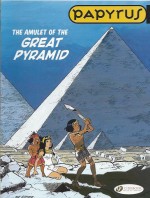
Papyrus volume 6: The Amulet of the Great Pyramid


By Lucien De Geiter, coloured by B. Swysen & translated by Jerome Saincantin (Cinebook)
ISBN: 978-1-84918-240-9

Papyrus is the astoundingly addictive magnum opus of Belgian cartoonist Lucien de Gieter. Launched in 1974 on the pages of legendary weekly Spirou, it has run to more than 35 albums and spawned a wealth of merchandise, a TV cartoon series and video games.

Born in 1932, the author studied at Saint-Luc Art Institute in Brussels before going into industrial design and interior decorating. In 1961 he made the jump into sequential narrative, first via ‘mini-récits’ (half-sized, fold-in booklet inserts) for Spirou, starring his jovial cowboy ‘Pony’, and later by writing for art-star regulars such as Kiko, Jem, Eddy Ryssack and Francis.

He later joined Peyo’s studio as inker on ‘Les Schtroumpfs’ (The Smurfs) and took over the long-running newspaper strip ‘Poussy’ and launched mermaid fantasy ‘Tôôôt et Puit’ when Pony was promoted to Spirou‘s full-sized pages. Deep-sixing the Smurfs, he then expanded his horizons by joining a select band contributing material to both Tintin and Le Journal de Mickey.

From 1972-1974 he worked with cartooning legend Berck on ‘Mischa’ for Germany’s Primo whilst perfecting his newest project: a historical fantasy which would soon occupy his full attention and delight millions of fervent fans for the following four decades.

The annals of Papyrus encompass a huge range of themes and milieux, mixing Boy’s Own adventure with historical fiction, fantastic action and interventionist mythology. The Egyptian epics gradually evolved from standard “Bigfoot” cartoon style and content to a more realistic, dramatic and authentic iteration. Each tale also deftly incorporated the latest historical theories and discoveries into the beguiling yarns.

Papyrus was a fearlessly forthright young fisherman favoured by the gods who rose against all odds to become an infallible hero and friend to Pharaohs. As a youngster the plucky Fellah was singled out and given a magic sword courtesy of the daughter of crocodile-headed Sobek before winning similar boons and blessings from many of the Twin Land’s potent pantheon.

The youthful champion’s first accomplishment was to free supreme deity Horus from imprisonment in the Black Pyramid of Ombos, restoring peace to the Double Kingdom, but it was as nothing compared to current duty: safguarding Pharaoh’s wilful, high-handed and insanely danger-seeking daughter Theti-Cheri – a dynamic princess with an astounding knack for finding trouble …

The Amulet of the Great Pyramid is the sixth Cinebook translation (21st album of the series, originally released in 1998 as Le Talisman de la grande pyramide); an enthralling rollercoaster romp through living mythology and a spooky trial for the plucky chosen one which begins when Papyrus is dragged from the palace – and a rare reward from Theti-Cheri for saving her life and soul again – by phenomenally intelligent donkey Khamelot.

The savvy beast of burden belongs to court jester Puin and whenever it comes running in such a manner it means that the funny little man has found trouble…

An eventful trip to the Giza plateau with its royal necropolis and great pyramids of Kheops, Khefren and Mykerinus results in the daring lad finding not only his diminutive friend but also a desiccated and extremely active mummy unearthed by tomb-robbers.

Puin has been hearing ghastly screams emanating from the pyramids and convinces the boy-hero to stay and listen for them too, but he never expected his bold friend to go looking for what made them…

The sinister sounds lead deep into the nobles’ grave fields, but as they proceed the searchers stumble upon another acquaintance. The unconscious man is one of the three Pepi brothers charged with keeping the recently-restored Sphinx free of desert sands …

Leaving the comatose victim in Puin’s care, Papyrus presses on. Before very long though the eerie events prove too much and the panicked Professional Fool bolts.

His pell-mell rush carries him down a passage far under the Kheops pyramid where he is confronted with the spirit of Seneb the Dwarf, magician and priest of that august and long-deceased pharaoh…

The garrulous ghost is in need of a favour and urges his terrified “guest” to carry his jewelled heart scarab to Papyrus who will know what to do with it…

Scrabbling out of the ancient passageway, Puin is eventually rescued by his donkey and impetuous Theti-Cheri – who has again refused to be left out of the action and secretly followed her bodyguard into peril.

Papyrus meanwhile has plunged deeper into the necropolis and been attacked by a pack of spectral jackals. Even his magic sword is no help and the malign mobbing only ends when Anubis himself calls a halt to it. The God of the Dead is angered by the sudden increase in grave-robbing and has taken two of the caretaking Pepi brothers, thinking them to be desecrators.

Unfortunately, rather than admit a mistake, the jackal-headed judge demands Papyrus retrieve Kheops’ heart amulet in return for their liberty. Anubis needs it to weigh the king’s soul before he can remove all the wandering spirits of the region to a place where the living can no longer disturb them…

And thus begins an astonishing race against time as the young champion has to scour the Great Pyramid from top to bottom (magnificently detailed and scrupulously explained in some of the best action illustration the author has ever produced); defeating deadly traps, defying spectral sabotage and godly interventions and solving the riddles of the dead to accomplish his mission.

However even after more than satisfying the demands of Anubis, there’s still the murderously mundane menace of the grave-robbers holding Theti-Cheri hostage to deal with before the canny champion can rest easy…

Epic, chilling, funny, fast-paced and utterly engaging, this is another amazing adventure to thrill and enthral lovers of wonder from nine to ninety-nine, again proving Papyrus to be a sublime addition to the family-friendly pantheon of Euro Stars who wed heroism and humour with wit and charm.

Any avid reader who has worn out those Tintin and Asterix albums would be wise beyond their years to add these classic chronicles to their cartoon chronicle bookshelves.
© Dupuis, 1998 by De Gieter. All rights reserved. English translation © 2015 Cinebook Ltd.
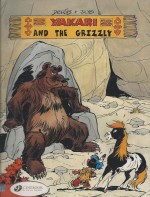
Yakari and the Grizzly


By Derib & Job, translated by Erica Jeffrey (Cinebook)
ISBN: 978-1-905460-16-8

In 1964, journalist André Jobin founded children’s magazine Le Crapaud à lunettes and began writing stories for it under the pseudonym Job. Three years later he hired fellow French-Swiss artist Claude de Ribaupierre, who had begun his career as an assistant at Studio Peyo (home of Les Schtroumpfs), working on Smurfs strips for venerable weekly Spirou.

Together they created the well-received Adventures of the Owl Pythagore and two years later struck pure gold with their next collaboration.

Launching in 1969, Yakari detailed the life of a young Sioux boy on the Great Plains; sometime after the introduction of horses by the Conquistadores and before the coming of the modern WhiteMan.

Filled with gentle whimsy, the strip celebrates a generally bucolic existence in tune with nature and free of strife, punctuated with the odd crisis generally resolved without fame or fanfare by a little lad who is smart, compassionate, brave… and can converse with all animals…

As “Derib”, de Ribaupierre – equally fluent and brilliant in both the enticing, comically dynamic “Marcinelle” cartoon style and a devastatingly compelling meta-realistic action illustration form – went on to become one of the Continent’s most prolific, celebrated and beloved creators through such groundbreaking strips as Celui-qui-est-né-deux-fois, Jo (the first comic on AIDS ever published), Pour toi, Sandra and La Grande Saga Indienne).

A large and significant proportion of his stunning works over the decades reverberate with his beloved Western themes, magnificent geographical backdrops and epic landscapes, and Yakari is considered by many to be the feature which catapulted him to mega-stardom.

First published in 1979 as the strip cemented its prominence and popularity, Yakari et le grizzly was the fifth collected European album. The previous year the feature had begun running in Tintin, and would go on to spawn two animated TV series (1983 and 2005), a wide range of merchandising and spin-offs and achieve monumental global sales of the 38 albums (in 17 languages) to date.

Released in English translation in 2006, Yakari and the Grizzly opens one late autumn night as aged beaver Wooden Dam and young raccoon Black Mask sneak into the Sioux encampment in search of Yakari. The worried pair have an odd story to tell: healthy adult animal are disappearing and the younglings need the wonderful human problem-solver to find them…

Riding out on faithful pony and confidante Little Thunder, the brave boy encounters a nervous vixen and her cubs and a female otter whose mate has also vanished. The day passes in fruitless searching and that night, after hearing a terrifyingly loud roar, a kind old owl offers some friendly advice to the searchers: stay out of the hills, something strange is happening there…

Next morning, grateful, worried but determined, Yakari and Little Thunder nevertheless turn towards the gentle rise and soon find missing pal Thousand-Mouths frantically gathering berries. The beaver is desperately scared and warns the pair to flee before it’s too late…

Resolved to help whatever the risk, our heroes press onwards and upwards and discover many missing animals – even bears – all working as petrified slaves for a huge and bellicose grizzly. Afraid of nothing Yakari scolds the greedy beast and almost dies as the big bully swipes at him with huge claws…

Barely escaping the gloating monster, Yakari and his pony are again warned off by Thousand-Mouths who reveals that no one will resist or run away because the big bear has threatened their families. Temporarily stumped, the little brave is relieved when his wise totem animal Great Eagle arrives and councils that a little patience will provide an answer to their problem…

Seeing the startling truth of the statement, Yakari advises his furry chums on a long term plan which consists of actually working even harder, providing the unreasonable brute with all the food he can eat. All too soon the snows start and the fattened grizzly feels the call of his den and long months of welcome hibernation. Now the second part of Yakari’s plan can begin…

The visually spectacular, seductively smart and splendidly subtle solution to the bully bear’s disgraceful behaviour is a masterpiece of diplomacy and highlights the charming, compassionate and redemptive nature of this superb all-ages series…

The exploits of the valiant little voyager who speaks to animals and enjoys a unique place in an exotic world is a decades-long celebration of joyously gentle, marvellously moving and enticingly entertaining adventure, honouring and eulogising an iconic culture with grace, wit, wonder and especially humour.

These gentle sagas are true landmarks of comics literature and Yakari is a strip no fan of graphic entertainment should ignore.
Original edition © 1978 Le Lombard/Dargaud by Derib & Job. English translation 2006 © Cinebook Ltd.

Asterix and the Class Act


By R. Goscinny & A. Uderzo, translated by Anthea Bell & Derek Hockridge (Orion)
ISBN: 978-0-7528-6640-6

One of the most-read comics strips in the world, Asterix the Gaul has been translated into over 100 languages. More than 325 million copies of the 35 canonical Asterix books have sold worldwide, making Goscinny & Uderzo France’s bestselling international authors.

The strip has spawned numerous animated and live-action movies, TV series, assorted toys, games, apparel and even been enshrined in its own tourist hotspot – Parc Astérix, near Paris.

The diminutive, doughty hero was created in 1959 by two of the Ninth Art’s greatest proponents, René Goscinny & Albert Uderzo: masters of cartoon narrative then at the peak of their creative powers.

Firmly established as a global brand and premium French export by the mid-1960s, Asterix continued to grow in quality as Goscinny & Uderzo toiled ever onward, crafting further fabulous sagas; building a stunning legacy of graphic excellence and storytelling gold. As such prominent and ever-rising stars their presence was often requested in other places, as varied as fashion magazine Elle, global icon National Geographic and even a part of Paris’ 1992 Olympic Bid…

Although the ancient Gaul was a massive hit from the start, Uderzo continued working on other strips, but as soon as the initial epic was collected as Astérix le gaulois in 1961 it became clear that the series would demand most of his time – especially as the astounding Goscinny never seemed to require rest or run out of ideas.

By 1967 Asterix occupied all Uderzo’s attention, and in 1974 the partners formed Idéfix Studios to fully exploit their creation. At the same time, after nearly 15 years as a weekly comic strip subsequently collected into compilations, the 21st tale (Asterix and Caesar’s Gift) was the first published as a complete original album before being serialised. Thereafter each new release was a long anticipated, eagerly awaited treat for the strip’s millions of fans…

With the sudden death of impossibly prolific scripter Goscinny in 1977, the creative wonderment continued with Uderzo – rather reluctantly – writing and drawing fresh adventures until his retirement in 2010.

In 2013 new yarn Asterix and the Picts opened a fresh chapter in the annals as Jean-Yves Ferri & Didier Conrad began a much-anticipated continuation of the franchise.

Before that, however, Uderzo was convinced to gather and – in many instances – artistically re-master some of the historical oddments and pictorial asides which had incrementally accrued over the glory-filled decades; features by the perfect partners which just didn’t fit into major album arcs, tales done for Specials, guest publications and commercial projects starring the indomitable Gaul. To cap off the new-old package Albert crafted an all-original vignette from that halcyon world of immortal heroes…

This intriguing compilation first appeared in France as Astérix et la rentrée gauloise in 1993 – and a decade later in English – gathering those long-forgotten side-pieces and spin-off material starring the Gallant Gauls and frequently their minor-celebrity creators too.

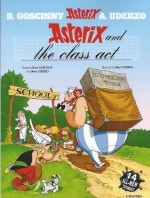
Following an expansive and explanatory ‘French Publisher’s Note’ – and the traditional background maps and cast list – a press conference from Chief Vitalstatistix leads directly into the eponymous ‘Asterix and the Class Act’ (from Pilote #363 October 6th 1966) wherein the first day of school finds the little legend and his big buddy sadly miscast as truant inspectors and kid catchers for head teacher Getafix…

Each little gem is preceded by an introductory piece, and following the hard facts comes ‘The Birth of Asterix’. First seen in October 1994’s Le Journal exceptionnel d’Astérix, the tale is set ‘In the Year 35 BC (Before Caesar)’ and finds a certain village in high dudgeon as two young women go into labour. Their distracted husbands soon find a way to distract themselves – and everybody else – with a mass punch-up that quickly becomes the hamlet’s preferred means of airing issues and passing the time…

‘In 50 BC’ comes from May 1977 and re-presents newspaper-style strips produced at the request of an American publisher hoping to break the European sensation in the USA. The endeavour inevitably stalled but the panels – introducing and reprising the unique world of the Gallic goliaths – wound up being published in National Geographic.

Apparently Uderzo loves chickens and, especially for the original August 2003 release, he concocted the tale of ‘Chanticleerix the Gaulish Cockerel’ detailing the struggle between the village’s chief clucker and a marauding Roman Eagle. It sounds pretty one-sided but faithful mutt Dogmatix knows where the magic portion is kept…

Pilote #424 (7th December 1967) was full of Seasonal festive fun so ‘For Gaul Lang Syne’ saw Obelix attempt to use druidic mistletoe to snaffle a kiss from beautiful Panacea. He soon came to regret the notion…

‘Mini, Midi, Maxi’ was produced for fashion magazine Elle (#1337 2nd August 1971) but the discussion of ancient Gaulish couture soon devolved into the kind of scraps you’d expect, after which ‘Asterix As You Have Never Seen Him Before…’ (Pilote #527, 11th December 1969) displays Uderzo’s practised visual versatility as our heroes are realised in various popular art styles from gritty superhero to Flash Gordon, a Charles Schulz pastiche and even as an underground psychedelic trip…

Approached to contribute a strip to Paris’ bid, the partners produced ‘The Lutetia Olympics’ which was later published in Jours de France #1660 (25th October 1986) and depicted how Caesar’s attempts to scotch a similar attempt to hold the great games in Gaul failed because of a certain doughty duo, whilst ‘Springtime in Gaul’ (from Pilote #334, 17th March 1966) was an early all-Albert affair wherein our heroes help the mystic herald of changing seasons give pernicious winter the boot…

‘The Mascot’ originated in the first digest-sized Super Pocket Pilote (#1, 13th June 1968) and revealed how the constantly thrashed Romans decided to get a lucky animal totem, but chose the wrong-est dog in the world to confiscate, after which ‘Latinomania’ (originally crafted in March 1973 and re-mastered for the first Astérix et la rentrée gauloise in 1993) took a sly poke at the fragile mutability of language.

‘The Authors Take the Stage’ describes how usually-invisible creators became characters in their own work and ‘The Obelix Family Tree’ collects a continuing panel strip which began in Pilote #172 (7th February 1963) and ran until #186 wherein Mssrs. Goscinny and Uderzo encounter a modern day Gaulish giant and track his ancestors back through history.

An at last everything ends with ‘How Do They Think It All Up?’ (Pilote #157, 25th October 1962) as two cartoonists in a café experience ‘The Birth of an Idea’…

Adding extra lustre to an already stellar canon, these quirky sidebars and secret views thankfully collect just a few more precious gags and wry capers to augment if not complete the long and glorious career of two of France’s greatest heroes – both the real ones and their fictive masterpieces. Not to be missed…
© 2003 Les Éditions Albert René/Goscinny-Uderzo. English translation: © 2003 Les Éditions Albert René/Goscinny-Uderzo. All rights reserved.

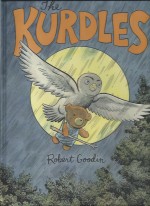
The Kurdles


By Robert Goodin (Fantagraphics Books)
ISBN: 978-1-60699-832-8

The power of strip and picture books is that they can jump right through your eyes, bombarding but bypassing your brain and lodging straight into your heart. If you don’t believe me just read Sock Monkey: Into the Deep Woods, A Wish For Wings That Work, Usagi Yojimbo, The Moomins and the Great Flood, Bone, Copper, The Squickerwonkers, Pogo or The Velveteen Rabbit.

In fact, read them anyway.

Now you can add to that list this splendidly eerie, all-ages cartoon tale from illustrator and animator Rob Goodin (Duckman, The Wild Thornberries, American Dad!) which combines – in the best tradition of the genre – crippling loneliness, astounding wonder and the finding of a new family, all delivered in a gloriously illustrated, magnificently oversized (305 x 222 mm) full-colour hardback tome that will take your breath away.

When little Ellie starts acting up again, poor Sally Bear gets flung out the car window on a cold, rainy night and left in the wilds to rot.

The trenchant little toy is made of far sterner stuff, however, and picking herself up, gamely wanders the terrifying great outdoors, narrowly avoiding doom and destruction from assorted beasts and natural hazards.

Battered and bedraggled, Sally eventually finds her way deep into a swamp where a bizarre conurbation exists. More accurately, one of the denizens of Kurdleton finds her, dragging the bear back to a band of little weirdoes who extend jolly hands of friendship the damaged bear is too proud and standoffish to accept with any grace at all…

Claiming all she needs are directions back to the road, Sally is nevertheless soon embroiled in the jovial strangers’ ongoing crisis: their magnificent dwelling has contracted a strange malady and is growing hair and eyes…

Soon a case of Casa Pilosa – an infamous “Disease of the American Home” – is diagnosed. The house is coming alive…

That’s all the plot you get, and you’ll thank me for that when you read for yourselves this fabulously moving, suspensefully thrilling and wryly funny fractured fable of outcasts banding together into a potently different modern family.

Bold, beguiling and beautiful, The Kurdles is the kind of book you will remember forever.
The Kurdles © 2015 Robert Goodin. This edition © 2015 Fantagraphics Books, Inc.

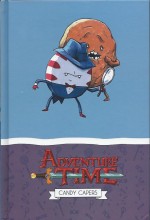
Adventure Time: Candy Capers Mathematical Edition


By Ananth Panagariya, Yuko Ota, Ian McGinty, Evan Dahm, Tessa Stone, Maarta Laiho & various (Titan Comics)
ISBN: 978-1- 78276-318-5

If you haven’t seen the Cartoon network show this book spins off from, Adventure Time is set in a post-apocalyptic future about a thousand years after the “Great Mushroom War”. In the oddly magical Land of Ooo a bizarre coterie of largely comestible and confectionery-based life-forms live their strange lives and a human boy and his shapeshifting dog are having a grand old time…

Scripted by Ananth Panagariya and Yuko Ota, primarily illustrated by Ian McGinty and vividly coloured by Maarta Laiho, the Kaboom!/Boom! Studios 6-issue miniseries Adventure Time: Candy Capers has been repackaged as a stunning and sturdily oversized (193 x 287 mm) full-colour hardback which begins by revealing how heroic Jake and Finn are at last recognised as being missing in ‘Sour Problems in Sweet Town’ when regal Princess Bubblegum suddenly remembers she gave them the hammer she really, really needs right now!

Her decision is to assign her creepy major domo Peppermint Butler to the case but his scary scouring of the kingdom doesn’t go well because his un-trusty associate ‘Cinnamon Bun is Helping! (to the despair of those around him)’…

Since it’s not a proper kingdom without heroes Jake and Finn, the Princess promotes the Butler to being-in-charge-of-protecting-everything and goes off to look for them herself…

The new Boss of the Banana Guards is not so good at “Destroying Problems” however and soon decides that the best way forward is to reinstate the ‘Royal Hero Draft’…

Peppermint’s first picks are snarky Marceline the Vampire Queen and elephantine Treetrunks, whom he promptly despatches to weirdly accursed Bloodskull Village to solve the ‘Mystery, She Wrote’.

Using their dubious wiles and the mantra “what would Jake and Finn do?” the bizarre babes soon unearth the Bad Haircut Wizard who claims to be behind the town’s woes… Oh, and they also discover Finn’s Demon Blood Sword is being used as a utensil at the local diner…

When Marceline and Treetrunk both suddenly retire, Peppermint Butler and Cinnamon Bun decide to check out whether the missing heroes are no longer alive and pop down to the Land of the Dead to ask the guy in charge. However to get in they first have to waste time playing the ‘Game of Death’ (art by Evan Dahm) with his moronic minions…

Finally finding that the AWOL champions aren’t dead, PB and CB are forced to carry on looking for them and so reluctantly draft the obnoxiously inept Earl of Lemongrab and gabby Lumpy Space Princess to go quiz the Why-Wolves.

The scary canines are intrigued but in return want all the other wolves to stop calling them nerds when they meet at ‘The Summit of Wolf Mountain’.

Sadly, the ‘Gathering of Wolves’ goes badly but just when the assembled clans are about to eat each other and everybody else, Lemongrab accidentally breaks an ancient curse and something truly extraordinary happens…

Forced to fire his latest draftees, Peppermint Butler again petulantly takes up the case and starts looking for who sold Finn’s Demon Blood Sword to the cursed café. The trail leads to arms dealer Choose Goose but the rhyming rowdy wants something in return for his information and expects the detectives to become his suave spies in the ‘Casino Royal’…

Bad Guy Magpie is a very competent opponent who nevertheless mistakes the dapper minty delicacy for superspy Agent Princess but when the real her comes to the rescue the entire cheating clip joint goes up in flames…

Next to be suckered into the hero-game are Jake and Finn’s old enemies Ice King and Susan Strong, who are called upon to stop a giant from crushing a distant hamlet. Somehow the incompetent idiots uncover an actual plot to frame the big guys but typically, to save the village they have to destroy the village…

Fed up with defending the Realm Peppermint B reveals his own dark wizardly gifts in ‘Reflections and Dark Confections’ before employing those eldritch arts to seek out the lost lads. That doesn’t go too well and soon he and Cinnamon are battling demonic doppelgangers and confronting a kleptomaniac cross-dressing Sea Witch they believe might have kidnapped Jake and Finn. Sadly however, the trail turned out to be a simple red herring…

Princess Bubblegum takes charge again for a raid on the ‘Lair of the Vault King’ (illustrated by Tessa Stone) but Peppermint Butler’s superteam of the Bun, Starchy, Hot Dog Princess, BMO, Neptr, Agent Princess, Gunter, Mr. Cupcake, Muscle Princess, Notorious Pup Crew and the rest are not willing enough or ready for ‘Operation: Cinnamon Bun’s Cool Plan!’ and the sugary sortie goes awry after they all realise that Jake and Finn were never there in the first place…

The interminable mystery is finally resolved in ‘Sunset on Candy Kingdom’ when the badgered butler loses patience and determines to use his magic to make the heroes Ooo desperately needs. Sadly when his gooey golems set of to “Destroy Problems” even his last-minute conversion to costumed crusading is insufficient to end the rampage and it takes the blockbusting Bubblegum Princess to save the day…

And only then does she remember where she put Jake and Finn…

Augmenting this sublimely surreal romp is a huge ‘Cover Gallery’ – 35 stunningly sweet and sickly weird images by Josceline Fenton, Magnolia Porter, Rebecca Mock, Tessa Stone, Yuko Ota, Tyler Parker, Bryan Turner, Maris Wicks, Nomi Kane, Brinson Thieme, Jemma Salume, Scott Maynard, T. Fabert, Melanie Gillman Brooke Allen, Andrea Tamme, Jay Fosgitt, Fellipe Martins, Yasmin Liang, Eva Eskelinen, Michael Dialynas, Mia Schwartz, Laura Birdsall, Andy Price, Mychal Amann, Mad Rupert, Renato Faccini, Wook Jin Clark, Emily Watson, Andy Hirsch and Hannah Nance Partlow – as well as ‘Cold Case Files’ which reveal ‘Cover Inspirations’ providing the original half dozen pop culture detectives who informed Yuko Ota’s covers.

Rounding out the cartoon confections are a cornucopia of ‘Character Designs’ and ‘Layout Designs’ for those inspired to concoct a few graphic Adventures Times of their own…

Strangely addictive, madly absurd and sweet as cartoon candy, this is a treat for young and old alike.
© Cartoon Network (S15). All rights reserved.

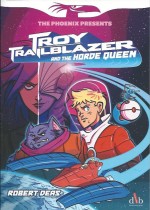
Troy Trailblazer and the Horde Queen


By Robert Deas (David Fickling Books)
ISBN: 978-1-910200-46-9

In January 2012 Oxford-based family publisher David Fickling Books launched a traditional anthology comics weekly aimed at girls and boys between 6 and 12 which revelled in reviving the good old days of British picture-story entertainment intent whilst embracing the full force of modernity in style and content.

Each issue offers humour, adventure, quizzes, puzzles and educational material in a joyous parade of cartoon fun and fantasy. In the years since its premiere, The Phoenix has gone from strength to strength, winning praise from the Great and the Good, child literacy experts and the only people who really count – the totally engaged kids and parents who read it…

The magazine inevitably led to a line of superbly engaging graphic novel compilations, the latest of which is a rollicking space opera romp that will delight readers with a profound sense of fun and unchecked imaginations.

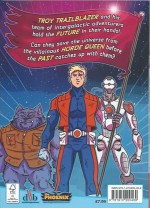
From that fabulous first year and created by Robert Deas (November, Manga Shakespeare: Macbeth, Pride & Prejudice, Medikidz) comes impetuous stellar sentinel Troy Trailblazer – who originally appeared in The Phoenix #10, 18 and 27-32 – in a riotous complete adventure which mixes light-hearted sidereal shenanigans with just a touch of dark and dreadful doom…

Thanks to the double-page pin-up ‘Meet Team Troy’ you’ll quickly become familiar with the valiant lad, his advanced tactical droid Blip, animalistic alien associate Barrus and super-cool former bounty hunter Jess Jetrider.

Moreover the schematics for ‘The Pathfinder’ will provide all you need to know about the freelance heroes’ astounding starship, so there’s no need to pause before racing into ‘Chapter 1: Mistakes of the Past’ which finds the questing quartet bombastically retrieving the Infinity Jewel with a maximum of collateral damage from the Royal Palace on planet Thagus…

Congratulating themselves on a job well done the astral adventurers celebrate by setting course for the sunny beaches on Solus, but before too long battle-hardened Jessica is roused from hyper-sleep by a disturbing dream and acknowledges a distress call from ice-world Siberas…

On awakening, the baffled lads are far from happy to be wading across glaciers in beachwear and when the arctic conditions wreck the Pathfinder’s engines they lose all sense of proportion. It’s quickly regained, however, when a gigantic snow-beast starts chasing them and hurt feelings turn to pure terror when a clutch of horrific bug-like parasites easily bring the shaggy carnivore down…

Pushing on rapidly through the snows the cosmic champions soon find the mining colony which issued the distress call, only to discover the workers possessed by more of the creepy bugs. Most disturbing is the fact that Jess is seemingly hearing voices and acting weirdly distracted…

Things come to a grisly head when they recover a holo-message from security chief Alan Ripley which describes how deep excavations disinterred a monstrous hive-creature from an entombed starship. His warning is cut off mid-sentence and almost instantly our heroes are running for their lives from the bug-wearing, mind-locked miners who tirelessly hunt their would-be rescuers…

Somewhere amidst all the chaos Jess gets separated from her companions and, apparently answering a mental siren call, wanders off into the deepest part of the pit…

There’s a brief tension-break for ‘Blip’s Autopsy Report’ – wherein the robotic science wizard dissects and provides dissertation on the diabolical parasites – before the shocking suspense resumes with the Pathfinder crew following Jess but ultimately failing to stop her being taken over by the Horde Queen and becoming the malevolent monster’s perfect weapon of complete conquest…

After a frantic panic and race to escape the story resumes fifteen years later in ‘Chapter 2: The Fate of the Future’…

Over that dark period the Horde Queen’s spawn have erupted into space and devastated planet after planet. On Troy’s homeworld of Nova 2, the older, wiser and battle-weary Trailblazer is now leader of the hard-pressed Horde Resistance, fighting a losing battle against the ghastly melding of his best friend and the parasite-mother.

The determined freedom-fighters have lost every battle but thanks to brilliant Blip have devised a last chance solution which might win the war. Unfortunately, just as they activate the cobbled-together time-machine and head back to Siberas to stop Jess ever falling under the Queen’s spell, the triumphant horror bursts in and follows Troy and Barrus back to the beginning…

What happens next is both astoundingly heroic and bitterly tragic and reveals what happy endings actually cost.

Fast-paced, fun and not afraid to be really scary when it counts, this is a superb interstellar saga, excitingly told in a broadly manga manner which will delight space freaks and thrill seekers of all ages.

Text and illustrations © Robert Deas 2015. All rights reserved.

Troy Trailblazer and the Horde Queen will be released on June 4th 2015 and is available for pre-order now.

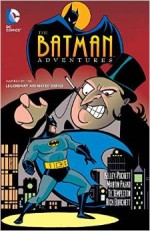
Batman Adventures volume 1


By Kelly Puckett, Marty Pasko, Ty Templeton, Brad Rader, Mike Parobeck & Rick Burchett (DC Comics)
ISBN: 978-1-4012-5229-8

Batman: The Animated Series aired in America from September 5th 1992 until September 15th 1995. The TV cartoon show – ostensibly for kids – was devised and designed by Paul Dini and Bruce Timm and quickly revolutionised the image of the Dark Knight, subsequently resulting in some of the absolute best comicbook tales in the Dark Knight’s decades-long publishing history as the series spawned a comicbook spinoff.

By employing a timeless visual tone (dubbed “Dark Deco”) the TV episodes mixed iconic elements from all iterations of the character and, without diluting the power and mood of the premise, perfectly honed the grim avenger and his team into a wholly accessible, thematically memorable form that the youngest of readers could enjoy, whilst adding shades of exuberance and style that only most devout and obsessive Batmaniac could possibly find fault with.

Naturally the comicbook version became a cast-iron certainty for collection in the newly-emergent trade paperback market which stormed into and out of shops in the mid-1990s. Now those titanic all-ages tales have been rediscovered and gathered here are the first ten titanic tales epics The Batman Adventures comicbook (first seen from October 1992 to July 1993) in a smashing, straightforward sampler of Fights ‘n’ Tights fantasy.

The moody magnificence action begins with ‘Penguin’s Big Score’ by Kelly Puckett, Ty Templeton & Rick Burchett. Each story was divided into three chapters and ‘Charm School Dropout!’ found the Bird of Ill Omen taking tips on how to rehabilitate his nefarious reputation from The Joker, whilst in ‘Top of the World, Ma!’ the Foul Fowl’s new standing as a philanthropist had all Gotham agog.

The sinister scheme was finally exposed by Batman in the climactic third act ‘Power of the Press’, but the hero had no idea that the real winner was the Clown Prince of Crime…

In issue #2, ‘Catwoman’s Killer Caper’ (Puckett, Templeton & Burchett) kicked off with a gem heist before, on Joker’s insistent urging, sultry Selina Kyle visited England’s Tower of London to swipe ‘The Family Jewels!’

In hot pursuit, the Gotham Gangbuster headed across The Pond to quell ‘Panic over Londontown’ and solved the mystery of a seemingly impossible theft in ‘Midnight Madness’ – but not before the Harlequin of Hate snatched the real prize…

All that crafty conniving culminated in ‘Joker’s Late-Night Lunacy!’ from #3 by Puckett, Templeton & Burchett, with Gotham’s airwaves hijacked and Commissioner Gordon kidnapped by the larcenous loon who made himself literally unmissable viewing in ‘A Star is Born!’

‘I Want My JTV!’ saw District Attorney Harvey Dent make it onto the Joker’s inhospitable guest list, but Batman was again one step ahead of the game and lowered the boom in the explosive ‘Flash in the Pan!’

Writer Marty Pasko and penciller Brad Rader joined inker Burchett for a gripping two-issue tale of terror guest starring Robin as ‘Riot Act’ describes ‘Panic in the Streets’ after a strange plague caused citizens to lose the ability to read.

Even with utter chaos gripping the city the Teen Wonder’s ‘Help on the Wing’ results in a huge step forward but when ‘Robin Takes a Fall’ the mastermind reveals himself and the drama intensifies in #4 with ‘Riot Act: Johnny Can’t Read!’ as the Scarecrow steps up his campaign to teach all the slackers of the modern world a harsh lesson….

However, the Dynamic Duo are well aware of the ‘Hi-Fi Hijinx’ at the root of the problem and, with the help of a repentant henchman, end the crisis in ‘Those Who Can’t Do!’

Next comes a crafty change of pace as Bruce Wayne is arrested for murder in ‘The Third Door!’ Crafted by Puckett, Rader & Burchett, the cunning locked-room mystery opens with ‘The Party’s Over’ as the prime suspect details the facts of the case to young Dick Grayson, before being locked up with a mob of dangerous thugs in ‘Crime and Punishment’, leaving the wonder kid to ferret out the real killer in tense conclusion ‘War and Peace’…

After a mere half-dozen superb stories the comicbook adventures took a step towards utter perfection when then-rising star Mike Parobeck assumed the pencilling duties.

Although his professional comics career was tragically short (1989 to 1996 when he died, aged 31, of complications from Type 1 Diabetes) Parobeck’s gracefully fluid, exuberant and magically kinetic fun-fuelled animation-inspired style revolutionised superhero action drawing and sparked a resurgence of kid-friendly comics and merchandise at DC and everywhere else in the comics publishing business.

His timeless tenure began with ‘Raging Lizard!’ which sees shady pro wrestler Killer Croc face a long dark night of the soul in ‘Requiem for a Mutant!’ when he’s scheduled to fight Masked Marauder – a grappler who had humiliated and broken him in their last match…

Batman meanwhile is searching for Chicago mobster Mandrake who’s planning on taking over Gotham by ousting reigning crime czar Rupert Thorne in ‘Eye of the Reptile!’ Naturally all those trajectories converge in the third act for a major throw-down ‘Under the Waterfront!’…

From issue #8 ‘Larceny, My Sweet’ begins with the hunt for an unstoppable thief who can ‘Break the Bank!’ with his bare hands, whilst TV reporter Summer Gleeson divides her time between chasing scoops and being romanced by a dashing stranger in ‘Love’s Lost Labours’. Sadly when the Gotham Gangbuster crushes the crime-wave he also exposes monstrous old muck menace Clayface and ends the affair of ‘Beauty and the Beast!’

In #9 ‘The Little Red Book’ everyone is chasing holds all Thorne’s dirty secrets and Commissioner Gordon is presiding over a ‘Gangster Boogie!’ With the cops and entire underworld looking to win out over ‘The Big Boss’, it takes all Batman’s energy and wits to bring the diary to DA Dent for the beginning of ‘Rupert’s Reckoning!’…

Wrapping up the all-ages action is‘The Last R?ddler Story’ which describes ‘Nygma’s Nadir!’ as the perpetually frustrated Prince of Puzzlers considers retirement. Dispirited and despondent because the Caped Crusader always solves his felonious games, the villain grudgingly accedes to his faithful hench-persons’ pleas to give it one more try in ‘Days of Wine and Riddles!’

How upset would Eddie Nygma be if he knew Batman isn’t even aware of him, absorbed as he is in apprehending infamous trio Mastermind, Mr. Nice and The Perfesser in ‘Triumph or Tragedy …?’

Breathtakingly written and iconically illustrated, these stripped-down rollercoaster-romps are quintessential Bat-magic, and this long-awaited compilation is a treasure every fan of any age and vintage will adore.

Pure, unadulterated delight!

© 1992, 1993, 2014 DC Comics. All Rights Reserved.

Flawed Dogs – The Year-End Leftovers at the Piddleton “Last-Chance” Dog Pound


By Berkeley Breathed (Little, Brown & Co.)
ISBN: 978-0-316-71359-7

After an all-too-brief and glittering career as a syndicated strip cartoonist and socio-political commentator (so often the very same hallowed function) Berkeley Breathed retired his deadline-crushing Bloom County and Outland strips to become a writer and illustrator of children’s books.

He lost none of his perception, wit or imagination, and actually got better as a sequential artist. He never completely abandoned his entrancing cast of characters and always maintained the gently excoriating, crusading passion and inherent bittersweet invective which underscored those earlier narratives.

An adventurous – if accident-prone – man with a big heart and love of animals, in 2003 Breathed crafted a stunningly moving, achingly heartbreaking and darkly hilarious painted hardback picture-book which presented itself as a brochure of no-hope pooches (and their former owners) being offered one final chance to escape the needle at a Podunk animal shelter deep in the wilds of Vermont…

The Piddleton “Last-Chance” Dog Pound is the place other institutions send all the dogs who have failed to find homes anywhere else, but even it has space limitations. The tireless organiser of the annual push to re-home all these one-of-a-kind, misunderstood mutts is Miss Heidy Strüdleberg; a former President of the American Kennel Club and prominent dog show judge who had a close encounter with a three-legged Dachshund that changed her life forever.

Rejecting that unforgiving and artificially idealised society, she resolved to strike a blow against a world that shuns the flawed and only has time for perfection. And here you can see in all their homely glory a host of uniquely lovable last-chancers like Bipsie, Noodles, Titus and Sam the Lion, all accompanied by pictorial examples of how they achieved their current sorry states with pungently potent verses of doggerel describing their meagre blandishments…

The success of this book led to notional sequel/prequel Flawed Dogs: The Shocking Raid on Westminster and Heidy’s tale will be seen as a forthcoming major motion picture…

Less a story than a crushingly captivating cartoon catechism for canine deliverance, delivered in sharp and lyrical rhyme, this is a book to trigger consciences and promote (considered) dog adoption which will make a grown man howl and children sit up and beg. You’ll laugh, you’ll cry, you’ll think hard before going online and adopting a pet that needs a home…
© 2003 Berkeley Breathed. All rights reserved.

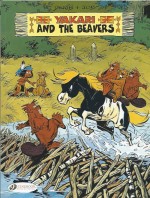
Yakari and the Beavers


By Derib & Job, translated by Erica Jeffrey (Cinebook)
ISBN: 978-1-905460-09-0

Tales of untamed the American West have always fascinated fans in Europe, and none more so than the assorted French-speaking regions who also adore comics. Historically we Brits have also been big fans of sagebrush sagas and the plight of the “noble savage”…

In 1964, Franco-Swiss journalist André Jobin founded the children’s magazine Le Crapaud à lunettes and began writing stories for it under the pseudonym Job. In 1967 he hired fellow French-Swiss artist Claude de Ribaupierre, who had begun his career as an assistant at Studio Peyo (home of Les Schtroumpfs) where he worked on a number of Smurfs strips for venerable weekly Spirou.

As “Derib”, he co-created with Job The Adventures of the Owl Pythagore and two years later they struck pure gold with their next collaboration.

Launching in 1969, Yakari whimsically and enchantingly related the life of a young Sioux boy on the Great Plains; sometime between the introduction of horses by the Conquistadores and advent of the modern White Man. It’s a generally bucolic existence in tune with nature and free of strife, punctuated with the odd crisis generally resolved without fame or fanfare by the little lad who is smart, compassionate, brave… and can converse with all animals…

Derib, equally fluent and brilliant in both the enticing, comically dynamic “Marcinelle” cartoon style and a devastatingly compelling meta-realistic action illustration form, went on to become one of the Continent’s most prolific, celebrated and beloved creators through such groundbreaking strips as Celui-qui-est-né-deux-fois, Jo (the first comic on AIDS ever published), Pour toi, Sandra and La Grande Saga Indienne).

A large and significant proportion of his stunning works over the decades reverberate with Western themes and magnificent geographical backdrops and landscapes, and Yakari is considered by many to be the feature which catapulted him to mega-stardom.

Yakari chez les castors was the third collected European album, published in 1977 as the strip continued to grow in prominence and popularity. A year after this release the feature began running in Tintin, subsequently spawning two animated TV series (1983 and 2005), all the usual merchandising spin-offs and achieving monumental global sales of the 38 albums (in 17 languages) to date. The most recent, Yakari et la tueuse des mers was released in 2014.

In 2005 the first translated volume – Yakari and Great Eagle – was part of Cinebook’s opening salvo in converting British audiences to the joys and magic of Euro-comics and the English language assortment now numbers an even dozen, all still readily available for you and your family to enjoy.

Yakari and the Beavers begins in summer as the nomadic Sioux make camp at a confluence of rivers. The children are playing, testing their strength, speed and archery skills, but with burly Buffalo Seed winning most of the honours – and the fascinated attention of pretty Rainbow – soon physically less-developed Yakari slopes off to cavort with his faithful and forthright pony Little Thunder.

As the pair romp and swim in the river they come across a strange wooden construction ranging from bank to bank and unexpectedly arouse the ire of an excitable beaver named Thousand Mouths. He is the impatient and irascible foreman of a band of buck-toothed brethren, determined to finish the family home in record time, but his fellows are far less enthusiastic and when one – dubbed Linden Tree – spots the palomino it starts a stampede of rodents who would all rather ride horses than chew timber and move mud. While they’re all goofing around their boss is going ballistic and a wise old beaver is teaching a rapt Yakari everything he needs to know about dam-building…

After more idle days in the camp Yakari’s thoughts return to the beavers and soon he and Little Thunder are heading back to the dam. En route however they are distracted by an astonishing noise and follow it to discover extremely ambitious beaver Double-Tooth far from the river and attempting to chew down a colossal tree all alone…

The eager beaver soon confides his dreams of being a sculptor but their conversation is curtailed when a bad tempered grizzly bear wanders up and menaces little straggler Wild Rose.

With the ursine interloper clearly not amenable to reason Yakari drives the surly brute off with a rough-hewn jousting lance rapidly gnawed into shape by Double-Tooth’s flashing gnashers…

On escorting the kits back to the river Yakari is astounded to see the progress made in the wood-and-mud abode and is delighted to be asked to help. In actual fact most of the assistance comes from hard-pressed Little Thunder who reluctantly becomes the engine transporting trees and saplings from the woods to the river…

Returning late to camp Yakari is observed by Rainbow who desperately wants to know what her friend is up to. Next morning she invites herself along as they return to the Beaver Lodge and cannot understand why, in the midst of listening to the hairy toilers chattering, Yakari spurs his pony away and races away.

Mounted behind him she listens incredulously as the boy explains that little Linden Tree is missing and then makes him backtrack to the really important bit. Yakari understands and can talk to all birds and beasts…

Racing downriver the children are soon joined by Yakari’s totem animal sagacious Great Eagle who provides a telling clue to the lost beaver’s whereabouts. However after daring subterranean depths the little brave eventually finds his lost friend but is himself trapped. Happily the artistic skills of late-arriving Double-Tooth prove invaluable in devising a climbing device and soon everybody – even utterly bemused Rainbow – are all celebrating back at the Lodge.

With things back to normal the irrepressible frustrated artist corners Yakari for one last secret project and a few days later the busy beavers are all astounded to see Double-Tooth’s river-borne aesthetic magnum opus poled into the lee of the dam by the proud Yakari…

The exploits of the valiant little brave who can speak with animals and enjoys a unique place in an exotic world is a decades-long celebration of joyously gentle, moving and inexpressibly entertaining adventures honouring and eulogising an iconic culture with grace, wit, wonder and especially humour.

These gentle sagas are true landmarks of kids’ comics literature and Yakari is a series no fan of graphic entertainment should be without.
Original edition © 1977 Le Lombard/Dargaud by Derib + Job. English translation 2005 © Cinebook Ltd.

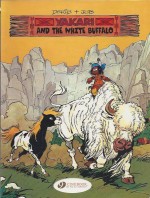
Yakari and the White Buffalo


By Derib & Job, translated by Erica Jeffrey (Cinebook)
ISBN: 978-1-90546-004-5

Western yarns have always captivated consumers in Europe, and none more so than the assorted French-speaking regions who also adore comics. Historically we Brits have also been big fans of sagebrush sagas and the plight of the “noble savage”…

In 1964, French-Swiss journalist André Jobin founded the children’s magazine Le Crapaud à lunettes and began writing stories for it under the pseudonym Job. In 1967 he hired fellow French-Swiss artist Claude de Ribaupierre, who had started out as an assistant at Studio Peyo, (home of Les Schtroumpfs) where the lad had worked on a number of Smurfs strips for venerable weekly Spirou.

As “Derib”, Claude co-created with Job The Adventures of the Owl Pythagore for Le Crapaud à lunettes and two years later they struck pure gold with their next collaboration.

Launching in 1969, Yakari whimsically and enchantingly related the life of a young Sioux boy on the Great Plains; sometime after the introduction of horses by the Conquistadores but long before the pillaging advent of the White Man to North America.

Derib, equally adept in both the enticing, comically dynamic “Marcinelle” big-foot cartoon style and devastatingly compelling meta-realistic action-rendering, went on to become one of the Continent’s most prolific, celebrated and beloved creators with such groundbreaking strips as Celui-qui-est-né-deux-fois, Jo (the first comic on AIDS ever published), Pour toi, Sandra and La Grande Saga Indienne).

A large proportion of his stunning works over the decades reverberate with western themes and magnificent geographical backdrops and landscapes – and Yakari is considered by many to be the feature that catapulted him to mega-stardom.

Yakari et le bison blanc was the second collected European album, published in 1976 as the strip continued rapidly rising to huge prominence and critical acclaim. In 1978 the feature began running in Tintin, subsequently spawning two animated TV series (1983 and 2005), all the usual merchandising spin-offs and achieving monumental global sales of the 38 albums (in 17 languages) to date.

The most recent, Yakari et la tueuse des mers was released in 2014.

In 2005 the first translated volume – Yakari and Great Eagle – was part of Cinebook’s opening salvo in converting British audiences to the joys and magic of Euro-comics – and is still readily available for you and your family to enjoy.

Yakari and the White Buffalo begins one cold day on the plains with the winter snows still heavy on the ground. With Spring delayed, animals and humans are all going hungry and when the boy and his pinto mount Little Thunder return to camp they find his father Bold Gaze has decreed they will move south in search of better prospects.

As the tribe progress across the prairie the buffalo that should form the major part of their diet are nowhere to be found…

Then one day scout Grey Wolf furiously rides in. He has seen the herd. Soon they will all be enjoying the nourishment of Great Spirit Wakonda‘s gift and that night the braves dance in honour of the moving mountains they will soon hunt.

Not permitted to join the men, Yakari wanders off with his pony and meets his totem spirit Great Eagle in a lush clearing. The noble bird warns him that the hunt will not go the way it should and the glum boy heads home with Little Thunder buckling under the weight of firewood the worried yet diligent lad has gathered…

Far away the braves are baffled and still without meat. The night sky is riven with terrifying lightning and a furious storm. Back at the main camp Yakari is scared and worried but soon soothed by elderly Quiet Rock. Eventually the boy sleeps and is once more visited by prophetic dreams. After tracking the buffalo over boiling sandy wastes and through a strange horn-like rock formation, the vision ends with Yakari leading the herd and a great white bull back to the people…

As his mother wakes him in the morning, elsewhere the braves have reached a great desert and, with no sign of the great herd, are forced to split into small scouting parties. With little to do Yakari and Little Thunder indulge in a race with boisterous older boy Buffalo Seed and gentle Rainbow. The chase takes them to the top of a hill where he sees the rocky prominence of his dream…

His friends cannot deter Yakari from riding right out into the vast empty plain in his quest and before long both boy and pony are suffering the harsh trials of scorching heat and burning thirst. Determined to go on, they are both near death when Great Eagle arrives and teaches them the secret of getting water out of the tall cacti around them.

Fortified and reinvigorated they push on into the sandy wastes and the next day are confronted by a towering wall of rock. Unable to climb the forbidding massif, Yakari discusses the problem with his pony and the wise steed suggests that every fence has an opening somewhere…

At last their patient search reveals a deliciously refreshing waterfall and a tunnel into a lush hidden oasis where the missing buffalo herd is grazing in total secrecy…

As they innocently approach the massive ruminants a young bull furiously attacks but his charge is intercepted by an immense white buffalo who then takes the intruders aside for a quiet discussion.

The wise beast explains the nature of the hidden pasture and listens with great care to the tale of woe that has left the Sioux starving. The white buffalo understands the role of all creatures in the grand scheme of life and was already preparing to lead the migration back to the plains when the boy arrived…

By the time horse and rider have led the herd to the spring plains the adult hunters have returned home, but the snowy bovine mountain sagely advises Yakari and Little Thunder to ride away before the braves can arrive to fulfil their role in the eternal cycle of life and death on the plains…

The saga of the valiant little brave who can speak with animals and enjoys a unique place in an exotic world is a decades-long celebration of joyously gentle, moving and inexpressibly entertaining adventures honouring and eulogising an iconic culture with grace, wit, wonder and especially humour. These tales are a masterpiece of kids’ comics literature and Yakari is a series no fan of graphic literature should be without.

Original edition © 1977 Le Lombard/Dargaud by Derib + Job. English translation 2005 © Cinebook Ltd.