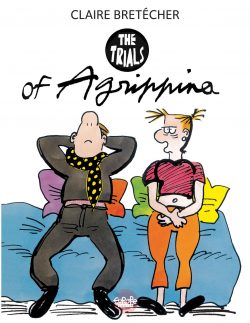
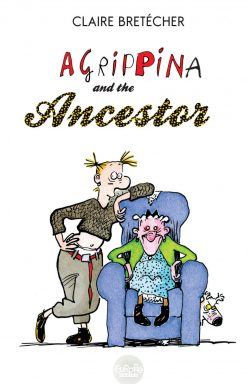
The Trials of Agrippina & Agrippina and the Ancestor


By Claire Bretécher, translated by Edward Gauvin (Europe Comics)
No ISBNs: digital only

Social satirist and cartoon cultural commentator Claire Bretécher (April 17th 1940 – February 10th 2020), was born in Nantes to a middle class Catholic family. Her heavy-handed father was a jurist whilst mother stayed home to run the house – even as she always encouraged her daughter to be free, autonomous, strong and independent. As a child, Claire read the usual children’s magazines girls were supposed to, but also (boys) comics such as Le Journal de Tintin and Le Journal de Spirou, and drew her own pages until abandoning the “inferior” discipline for abstract art when she began studies at Nantes’ Academy of Fine Arts. On graduation in 1959 she moved to Montmartre, Paris, supplementing with babysitting her main job as a high school drawing teacher, while seeking a proper career in journalism. When her drawings were published in Le Pèlerin, she began contributing to magazines and by the mid-1960s was regularly in publications from Bayard Presse, Larousse and Hatchette. She also worked in advertising as her early comics influences – Will, Hergé and Franquin – expanded to include American “scratchy-line” strip stars Brant Parker (Wizard of Id), Johnny Hart (B.C.), Charles M. Schulz (Peanuts) as well as satirists like James Thurber (The New Yorker, Walter Mitty) and Jules Feiffer (Sick, Sick, Sick, Explainers, Kill My Mother).

Her big bande dessinée break came in 1963 when René Goscinny asked her to illustrate his Le facteur Rhésus for humour magazine L’Os à moelle. Although short-lived, the prestigious partnership brought more work: cartoons, gags, illustration and Claire et Pétronille in Record, pantomimic exploits of adolescent troublemaker Hector in Le Journal de Tintin, Peanuts-derived comedy Les Gnangnan and Les Naufragés (with fellow star-in-waiting Raoul Caunin) at Spirou, and the first of her many medieval satire strips Baratine et Molgaga.

In 1969 at Pilote Bretécher debuted her first great strip character Cellulite (a barbed feminist, “un-beautiful” feudal princess, regarded as the first female antihero in Franco-Belgian comics). After an editorial change, the increasing socially aware-and-active auteur joined fellow creators Nikita Mandryka and Gotlib (Marcel Gottlieb) in quitting to publish their own short-lived but iconic magazine: L’Echo de Savanes which debuted in May 1972. When it folded, Bretécher escaped the comics ghetto and began working in left-leaning mainstream publications with features such as Les Amours Écologiques du Bolot Occidental in ecological monthly Le Sauvage (May 1973) and her second popular masterpiece Les Frustrés which launched in weekly Le Nouvel Observateur as anecdotal cartoon cultural commentary La Page des Frustrés from October 15th of that year. It ran in assorted forms and venues until 1981 by which time she was firmly established as a multi-award-winning author and self-publisher of dozens of books and hundreds of magazine features.

From 1987, she began primarily concentrating on the life of a Gen X French teenager in self-inflicted crisis mode during those difficult years spanning self-declared independence and becoming more or less mature. Simultaneously pompous, angry, spoiled, privileged, resentful, uncertain, intransigent, self-important, trend-seeking, bolshy and determined not to consider the future, Agrippine – or as here Agrippina – roared through dozens of strips that filled 8 albums between 1988 and 2009.

Think of it as a female teen version of Dennis the Menace (UK version) with swearing, scatology, unlovely and messy sex, constant arguments, staggering hilarious rudeness and hysteria and every shocking domestic non-crisis you can imagine… or worse yet remember…

She hates her life and her closest friends, loathes her younger brother and wishes her parents had divorced years ago when she could have got some mileage out of it…

The series always provides sharp and telling observations on generation gaps of every stripe and thus quite naturally made the leap to television for a 26-episode series in 2001.

Most of that unmissable comics cleverness is denied to English-only speakers and readers, but Europe Comics has culled some of the best bits into two albums which any parent would benefit from.

The Trials of Agrippina was first released in 2008 but hasn’t dated at all, serving as a primer with mostly 1-page strips detailing just how bad life can be ‘In the Spotlight’ for ‘Teens’ like ‘Me’, detailing the temptations of ‘Polaroid’ and ‘The Crisis’ of a self-adjudged ‘Success Story’

Wry and pithy, episodes like ‘Complaints’, ‘Seeing Things’, ‘Blooper’, ‘We Are the Champions’, ‘Candid’ and ‘Myths and Legends’ generally leave our girl ‘Clueless’ and requiring emotional ‘Cleanup’, certain someone has ‘Eyes on You’. The ‘Outpouring’ of misery and bile about the latest ‘Fiasco’ to anyone who will care about being ‘Madly in Love’ is certainly a ‘Challenge’, leaving her ‘Taken for a ride’ at ‘The Beach’, waiting for ‘Miracles’

Perennial questions confound her generation as they have all others. Quandaries of life like ‘Liver Failure’, ‘Love Letters’, and the eternal ‘Riddle’ of ‘Lurid Nights’, ‘Stars’, ‘The Oath’, being ‘Born Again’, feeling ‘The scream’, ‘The scoop’, or allure or ‘Deadly Arts’ and romantic ‘Strategy’ all show that although she’s always right, Agrippina can never really win…

Even when she finally finds a suitably cool boyfriend – in ghastly pretentious intellectual Morose Mince – it all turns out to be another monumental disappointment and drag from initial ‘Bonding’, through ‘Sweet Nothin’s’, ‘Othello’, with teen ‘High Treason’ hitting ‘The Last Nerve’ as ‘The Specialist’ provokes growing dissatisfaction and musical tastes no longer in ‘Harmony’, and a preference of condoms in ‘Gimmick’ leads to ‘Domestic Strife’, a paucity of ‘Prospects’ and the ‘End of the Line’

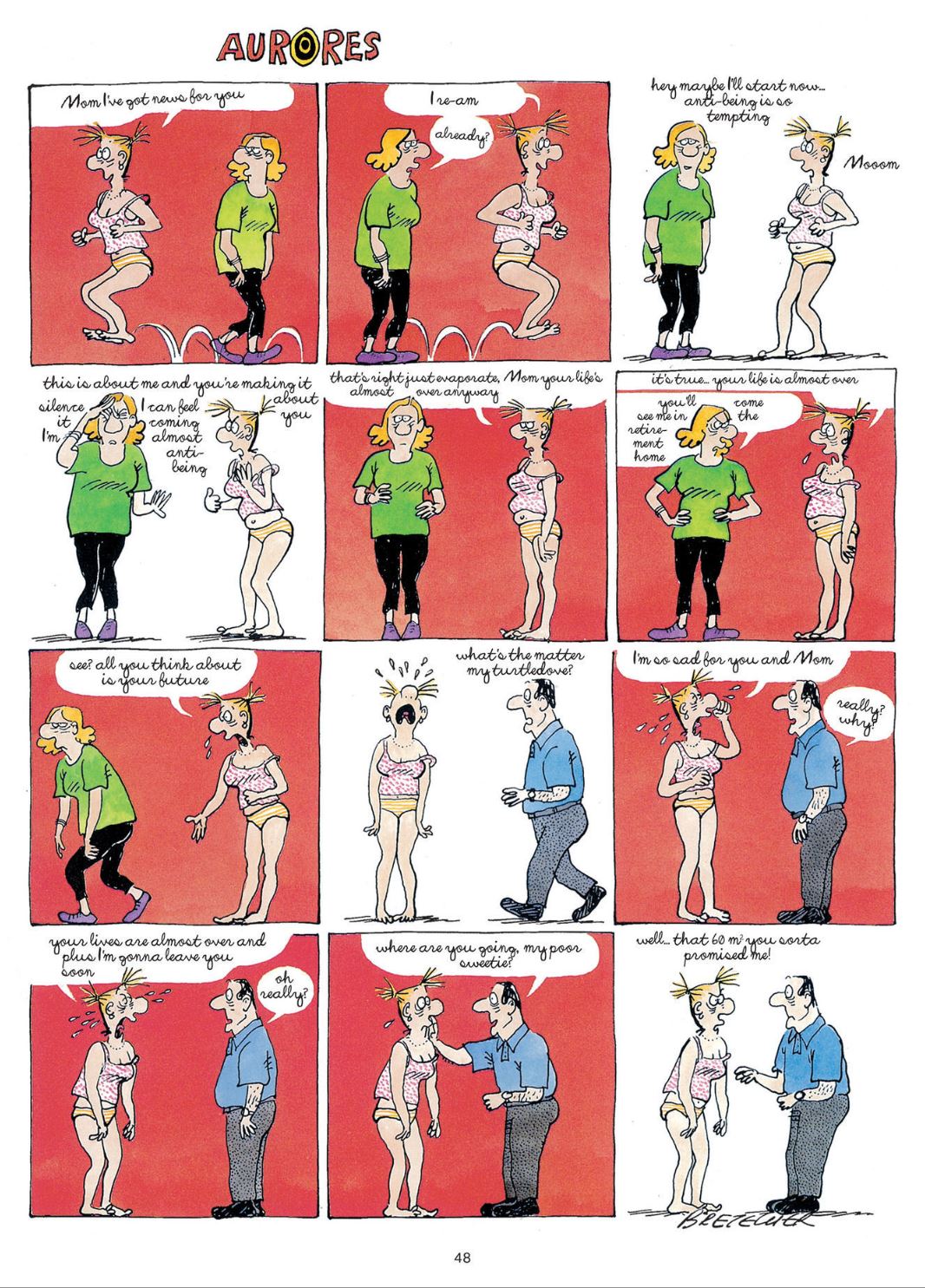
At least mum and dad can now safely offer advice in ‘Aurores’

Sharp and so very funny – unless you’re a teen reading it – The Trials of Agrippina is a masterpiece of observational comedy no parent can be without.

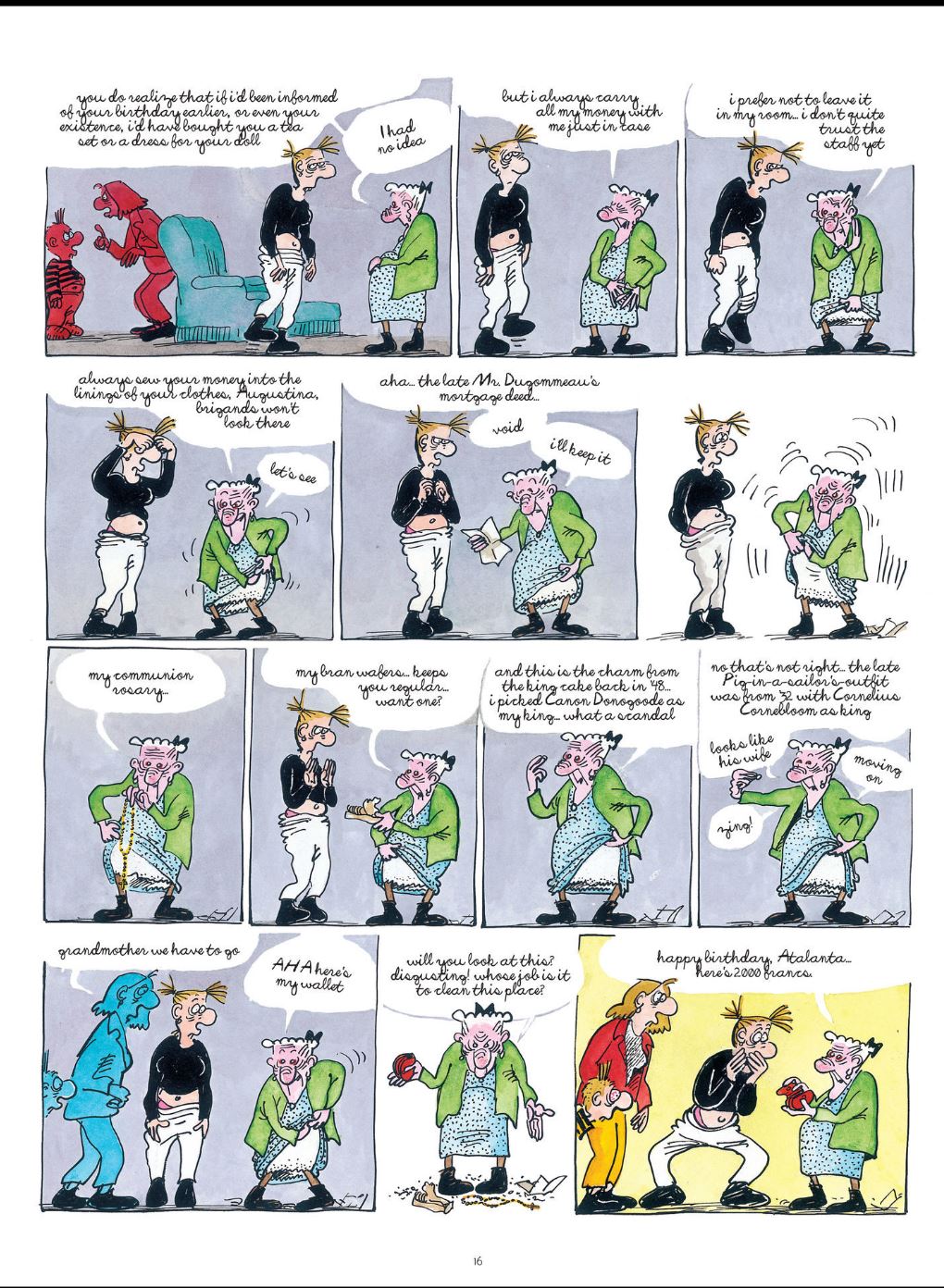
The absolute best seller in the series was fifth album Agrippine et l’Ancêtre first published in 1998 and which we can enjoy as Agrippina and the Ancestor. Here the tale is told in one long epic as our long-suffering lass is dragged into unsuspected maternal dramas when her grandmother – who hasn’t yet coughed up any birthday dough for Agrippina – has an emotional meltdown (and emergency face-lift) after learning her own estranged and despised mother has finally gone into a care home. Now grammy is feeling the weight of years and is after much pressure from daughter and grandchildren – even Agrippina’s vile little brother Byron who also scents guilt money in the air – is convinced to visit Great Grandma Zsa Zsa and reconcile…

Thus opens a manic domestic farce as Commie-hating fireball of prejudice Zsa Zsa runs roughshod over her reunited clan and everyone else in range in an escalating procession of bizarre escapades. These include feeding time at the home, the many downsides of the care professions and the old termagant’s introduction and rapid conquest of computers, virtual reality and robot dogs with her generations of offspring dragged along in her wake. At least studiously sanguine Agrippina gets to meet a kind-of dream lover in the process…

And of course, the teen’s many attempts at explaining the chaos and finding support amongst her own friends are no help at all…

Weird, wild and wonderfully fun, these adventures are pure joy and a lasting tribute to one of the most important women in comics history. Check them out and see for yourself.
© 2015, 2016 – DARGAUD-BENELUX (Dargaud-Lombard s.a.) – Bretécher. All rights reserved.

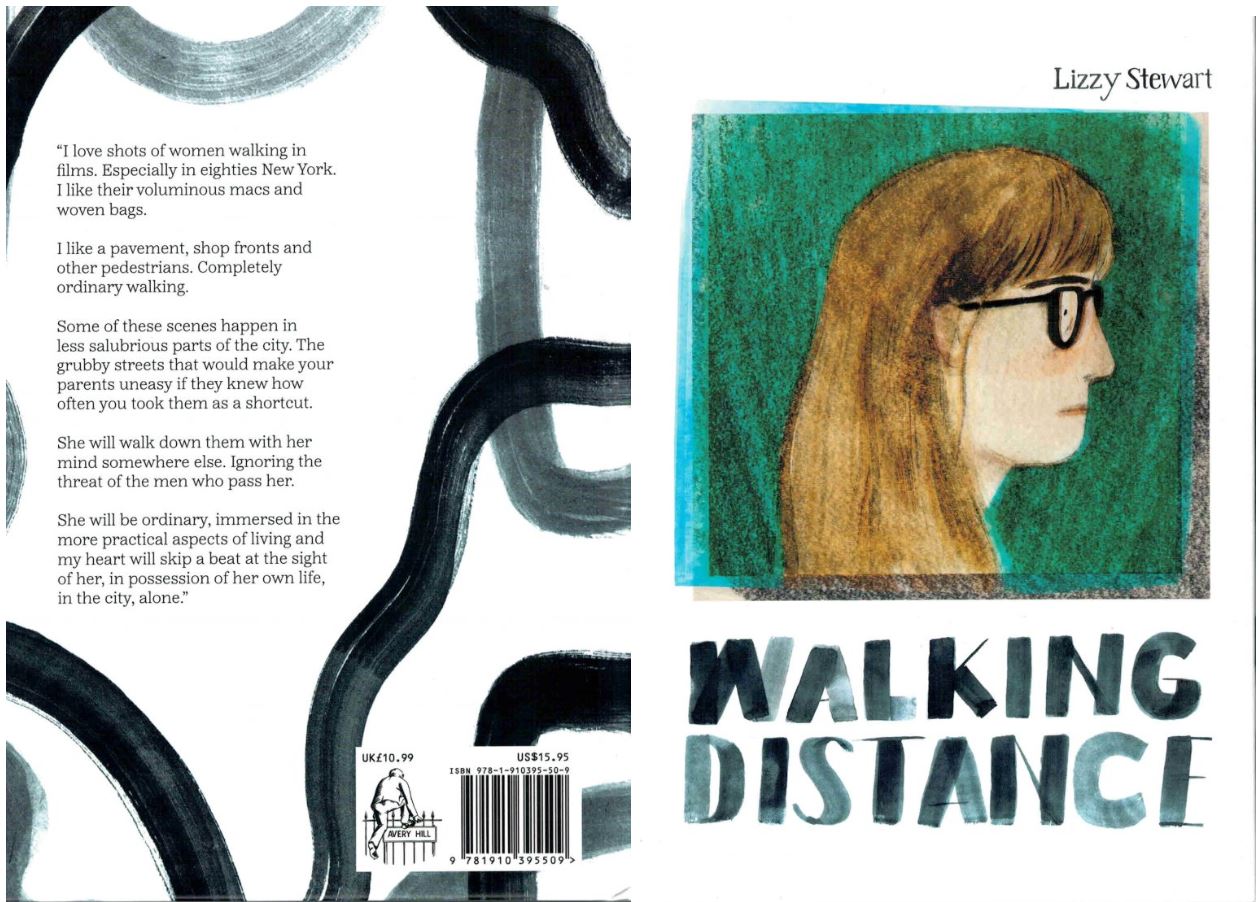
Walking Distance


By Lizzy Stewart (Avery Hill Publishing)
ISBN:978-1-910395-50-9 (HB)

Assuming you do still think, where do you go and what do you do to get in touch with yourself? I only ask because, in these days of a million and one ways to chemically, digitally functionally and emotionally sedate the mind, one the most effective ways to process information is still a good long walk…

Lizzy Stewart lives in London and Shanks’ Pony is not only how she manages city life but is also a restorative physical act which seemingly obsesses her. She even keeps a list of favourite movie walks by a host of female stars that fit all her personal criteria for moments of perfection…

Walking Distance is a coping mechanism: a meandering meditation on Right Here, Right Now, utilising a stunning sequence of painted views of what she sees on her various perambulations – a beguiling travelogue of London literally at ground level and a healthy pace – wedded to small tracts of text graciously sharing her innermost, scattershot thoughts and deliberations on notions that trouble women (and perhaps the odd man or two) these days.

All the bugbears trot along with her (and, by extension, us): getting by, success and failure, body issues, direction and achievement, growing up and growing old, family pressures, exactly what comprises norms of behaviour, unfair expectations, balances of power in gender relationships and what the future holds in store…

Naturally – and shamefully for us men – a large proportion of that menu includes deep and ever-growing concerns over personal safety and the right to privacy and agency in public. There’s isn’t a woman anywhere who hasn’t had a walk marred at some moment after apprehensively anticipating what a complete stranger in the vicinity might abruptly say or do.

Happily, the grim is balanced by the delightful: ponderings on art and work, a sense of home space and just the sheer joy of observing the fresh and new as well as the comfortingly familiar. There’s even room for intimate views of personal history and opinion, yet overall the progression is always hopeful, tending towards examination rather than hasty judgements or solutions and always in the direction the walker chooses…

This beguiling stroll offers a blend of philosophy, anxiety and anticipation, all brainstormed as she – and you, if you can keep up – strides ever onward. Clearly, walks do anything but clear your head, but can result in beautiful visual ruminations like this one: no glib sound-bite responses, no roles modelled and no solutions, but you can consider this a privileged personal chat while she walks and you don’t.
© Lizzy Stewart, 2019. All rights reserved.

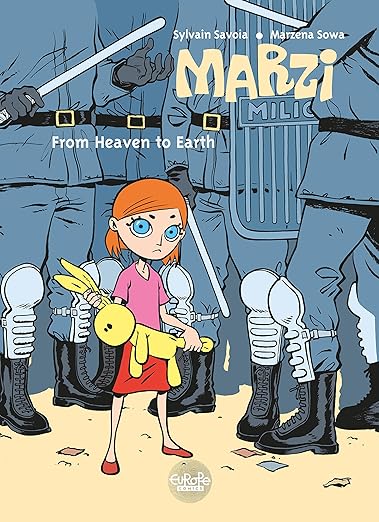
Marzi volume 2: From Heaven to Earth


By Marzena Sowa & Sylvain Savoia, translated by Anjali Singh/Mediatoon Licensing (Europe Comics)
ISBN: 979-1-03280-391-2 (digital edition only) ASIN: ?B0C1JLQFMV

As you’re surely aware by now, our Continental cousins are exceeding adept at exploring humanity’s softer, more introspective sides through comics. Here is another autobiographical tome, detailing the life of a little Polish girl growing up in an era of massive social change: a masterclass in emotive, evocative, vibrantly funny and ruthlessly sensitive storytelling to delight our senses by quietly affirming people everywhere are basically the same…

Originally released in France in 2006 as Marzi, tome 2: Sur la terre comme au ciel, this charming episodic collation continued a sequence of seven cartoon memoires by writer Marzena Sowa and her work/life partner Sylvain Savoia. They first met when she came to Paris from Poland as an exchange student, and he – a successful cartoonist and graphic novelist – quickly realised the potential of her family anecdotes as she spoke of growing up in a subjugated Soviet satellite nation at the tumultuous tail end of the Cold War…

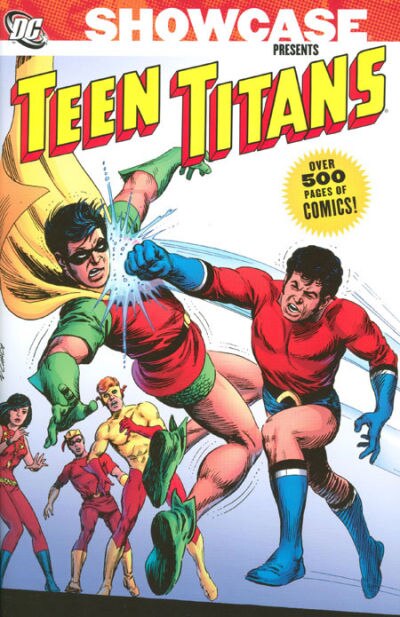
Their published collaborations were a hit in Europe, and first translated into English for DC/Vertigo in 2011 (still available if you prefer physical books). At that time, media hype concentrated on the political aspects, but if you can, when reading this version, try to ignore that just as the creators did. It’s a shaping element and plot point – albeit a omnipresent and potent one – like boarding at Hogwarts or growing up in the Teen Titans, but the setting is almost never what the stories are about. These are tales of childhood and finding comfort. Inspiration and happiness wherever you can, not a fabricated kid’s adventure like Emil and the Detectives or a historical testament like The Diary of Anne Frank

Marzna Sowa was born in Stalowa Wola, Podkarpackia, Poland on April 8th 1979. She grew up mostly ordinary like all her friends and family, but after achieving maturity during some of the most eventful years of the last century, changed her life path in 2001 when she left Jagiellonian University, Krakow for Bordeaux’s Michel de Montaigne University to complete studies in Literature. The how and why will become great comics in later volumes, You’ll just have to be patient or buy all the books now.

On meeting Savoia, mutual attraction became a working partnership with the first Marzi tome Petite Carp published in 2005. The last to date was released in 2017. Her other award-winning tales include N’embrassez pas qui voulez (Don’t Kiss Who You Want – 2013, art by Sandrine Revel) and Tej nocy dzika paprotka, (with Berenika Kolomycka). After further schooling to become a videographer, Sowa moved into Cinema, writing screenplays and directing documentaries while still scripting comics like La Grande Métamorphose de Théo (2022 with Geoffrey Delinte) and La Petite Évasion (2022 with Dorothée de Monfreid).

Savoia was born in 1969 in Reims and initially studied at the Saint Luc Institute in Brussels. In 1993 he co-founded art workshop 510TTC, crafting his first comics – Reflets Perdus – from a Jean-David Morvan script before beginning their extended series Nomad. Later hits included Al’Togoat (2003), Les Esclaves oubliés de Tromelin and Henri Cartier-Bresson, Allemagne 1945, supplemented by poster making, advertising art and training manual design and illustration.

Since 2018 he has helmed educational series Le Fil de l’Histoire raconté par Ariane & Nino (On the History Trail), enjoying further success with Sowa in Les esclaves oubliés de Tromelin and Petit Pays. In 2020 Savoia was made a Knight of the Order of Arts and Letters.

Previous book Little Carp introduced 7-year-old Marzi, growing up in a Soviet-built apartment block. There are always shortages and long queues at the housing estate store, but somehow the market always has most of what people need. Dad works with Zdzich in the Huta Stalowa Wola, the city’s only factory, which has its own perks and perils…

Smart and observant but perhaps thinking too much, Marzi’s also – to her excitably loud and frequently angry mum’s consternation – a very picky eater, only barely aware of the effort dad must make to support them. Of course daughter is grateful, but also deeply concerned about so many things she can’t change…

State-controlled housing is short on amenities and variety (there are only two kinds of apartment available – small or bigger) with no play facilities, so kids cluster around the elevator on her floor (the fifth) to play their games vertically. Favourite is messing with lift buttons so the carriage stops at every floor. They also like ringing doorbells and running away. Marzi is great at the latter but hampered in the former as she’s afraid to ride the grim grey box and will always use the stairs if she can…

She has a strong bond with Andrzej, Magda, both Anias and especially feisty Monika, who always leads at everything, like that time Ania (1) and Andrzej’s mother pierced all their ears (except Andrzej and baby Magda!) and Monika’s mum gave them all their first earrings…

Here, we resume her ruminations on December 13th 1981, with ‘The state of fear’ as – aged 2½ – she recalls how appointed head of state General Wojciech Jaruzelski was on their intermittently-working television declaring “Poland is in a State of War!” There were tanks in the streets and everybody whispered and avoided telephones. It would be years before she understood, but her parents did right away and were really, really scared…

Marzi is a little older as ‘Reality TV’ details a world of shortages where everyone hides what cash money they have. When the little lass sees colour TV for the first time and begins agitating to get one, she sees more of a world where everything is rationed and controlled by the Kupon (coupon system) dictating the dissemination of goods and foodstuffs…

Although dictatorial by diktat and “Communist” by command, Poland remained devoutly Catholic throughout Russian rule and we jump to the most important event in a child’s life in ‘God loves me’. Mama is manically devout and goes into nuclear mode as her only daughter simply cannot get with the program and do what priests and teachers demand as her class prepare for their first Holy Communion. She just can’t understand all the fuss and her First Confession is a disaster, but this day and life-change is just inescapable

Marzi is luckier than most of her friends as Dad has an official garden (in Britain we’d call it an allotment) and her Aunt Niusia lives on an actual farm. The family always have access to extra – fresh – food and can even make extra, under-the-table cash selling produce on the openly-ignored food black market. However, the day-dreaming child’s visits to either are always fraught with unacknowledged but pragmatic brutality. Marzi has met cows, pigs, turkeys, chickens, cats, dogs and other creatures and fully understands why mum says you shouldn’t give animals names, but it can’t stop her trying to form bonds or leave food on her plates…

A weekend at Niusia’s and a new white dress for Mass on Sunday inevitably draws calamity and catastrophe when Marzi gets on the wrong side of cart horse Baska, but her “punishment” in ‘What’s bred in the bone comes out in the flesh’ is a real gift from God, after which ‘Bad grass’ sees the family stocking up on fruit & veg from the urban spread for a quick money bonanza. Sadly, after being forbidden a go on the scythe, Marzi gets caught up in observing ants at work and lets down her folks yet again…

When (relatively) rich girl Justyna joins the class, all her American bought clothes and cosmetics prove that ‘Money does smell (good)’ whereas Marzi’s new – incontinent – guinea pig ‘Perelka’ just does not, and comes to an inevitable end in the family flat. Marzi really wanted a dog anyway…

Hinting at exotic things to come, an impromptu but welcome trip to the farm in Skowierzyn results from a distant aunt (born and raised in France!) wanting to reconnect with her roots. However, the glamour promised by ‘Oh la la Elen!’ isn’t what the little dreamer was expecting, although that disappointment was then eradicated by a 15-day stay in fabulous metropolis Krakow with grandmother Jdzia, Aunt Dzidzia and Uncle Metek…

Her first extended taste of freedom supercharges Marzi’s imagination as modernity, history, fantasy and romance collide, especially after hearing the legend and seeing the statue of the dragon ‘Smok Wawelski’. Our tiny tourist is far less enamoured of patent herbal medicines like Amol, ruthlessly dispensed when she’s deemed to have overdone things…

Despite all her gripes and doubts about everything – even God is on her “unproven” list – the life of Marzi and her pals is pretty good and generally happy, but that suddenly changes in chilling final episode ‘Breathing can be hazardous to your health’. Here, Marzi is on the farm and revelling in the mucky joys of the countryside when suddenly the adults all start acting crazy. Now, no kid can go outside, eat vegetables (no loss there!) or drink milk. The trip ends suddenly and Dad drives them back to the flat in hurry. Soon every kid is having to take nasty medicine from the hospital and all outside activities are stopped. It’s spring 1986 and slowly reports are emerging that there has been an accident in a place called Chernobyl…

A skilfully shaped, enticingly enthralling paean to growing up in interesting times (and aren’t they all?), From Heaven to Earth is a celebration of independent thought: blending pranks and misunderstanding, new fun with familial strangers and with doing tedious stuff adults tell you to. Making fun where you can as your awareness deepens and a mature world is built by ever-expanding experience, and how we all grow up to be our parent in unbalanced doses of imitation and utter rejection…

Marzi is definitely about independence and freedom, but it’s personal not national and inherently hopeful: the tale of a fish out of water learning to swim her own way. If you want polemical condemnation and confirmation of your own prejudices, look elsewhere. Better yet, stick around to see how a delightful and unique individual lived her own best life…
© 2017 – DUPUIS – SOWA & SAVOIA. All rights reserved.

Mongrel


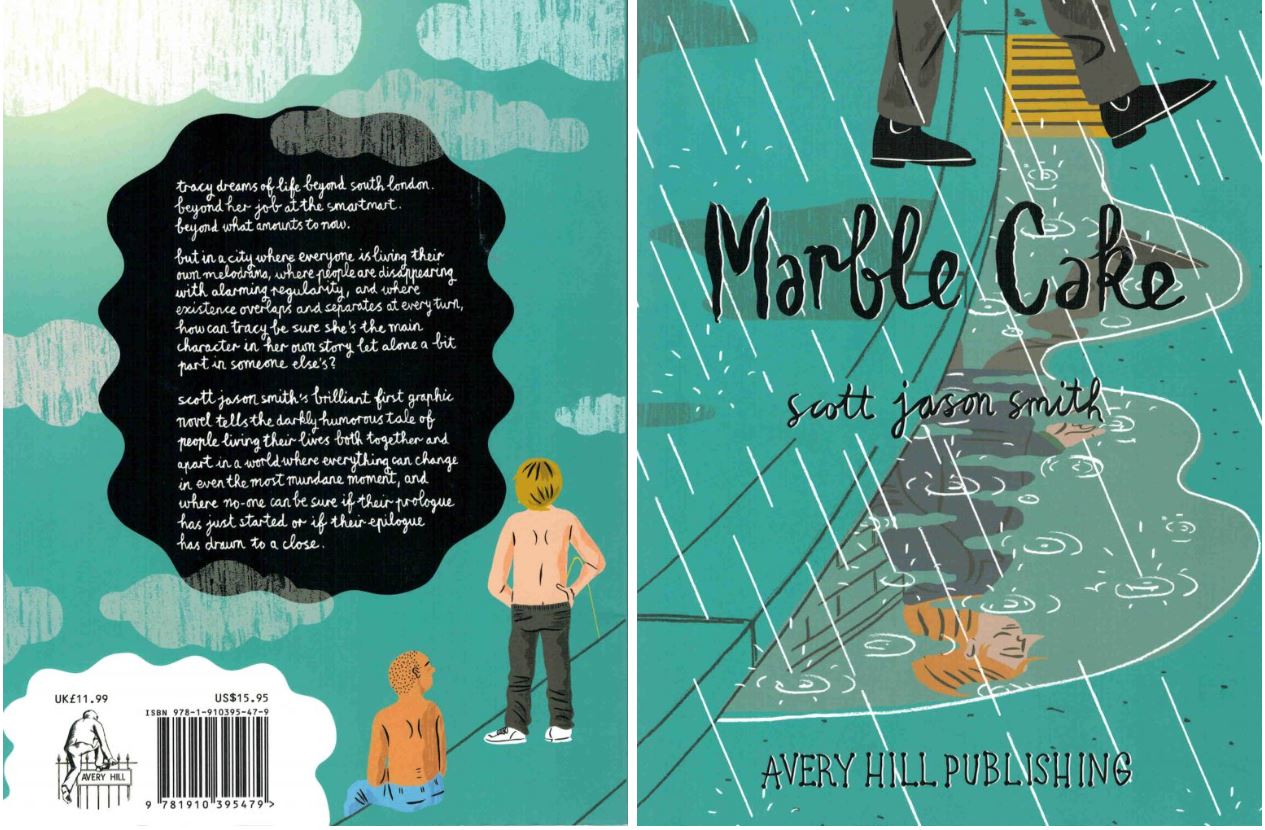
By Sayra Begum (Knockabout)
ISBN: 978-0-86166-269-2 (TPB)

Comics offer an immediate and potent method of communication that is both universally accessible and subtly intimate. You want countless characters and exotic locales? Just draw them. Need to navigate the most torturous tracks of the psyche and expose the most taciturn soul? Just fill captions and balloons with the words and tone that cut to the heart of the matter…

Somebody who got that from get-go was Sayra Begum, who first presented her life story in pictorial form in 2017. Happily, she shared it with the perceptive folks at Knockabout Comics who recognised a great work when they saw it. In her own incisive words and deft pencil work, Begum – identifying here as “Shuna” – shares what growing up meant for the child of a strict, devout and loving Bangladeshi Muslim mum only living in England until the family has enough money to retire to a mansion in her beloved homeland. It’s not an easy existence since her dad is a white man (a convert to Islam) who still remembers the freedoms of his old life. Moreover, the community treats them with polite disregard…

As seen in ‘Meet the Mongrel’, ‘Memories of Waterland’, and ‘The Forgotten Self’, Shuna and her siblings are pulled in so many directions growing up. She wants to be an artist, but her Amma is more concerned that she be ‘A Good Muslim’, believing ‘Life is a Test’ and her old ways such as ‘An Arranged Marriage’ are the only proper life to live…

For her parents, England ends at the front door and the household is pure Bangla within the walls. The lure of the outer world has already proved too much for one brother as seen in ‘My Poor Family’, ‘Suffocated’ and ‘The Disownment’ and soon Shuna too is living a secret life with an English lover mother could never approve of…

Continual contrasts with her perfect cousin in Bangladesh constantly wrack her conscience but Shuna has long capitulated to the wiles of Shaitan in her head. Life has a habit of upsetting all plans and exposing secrets and ‘Our Parallel Family’, ‘The Meeting’, ‘Judgement Day’ and ‘The Mongrel Children’ all reveal how even the harshest opinions may shift, leading to a truly romantic happy ending in ‘Goodbye Anger’ prior to a ruminatory ‘Epilogue’

Begum weds brisk, informative line drawing with the dazzling traditional patterns of Islamic art and excesses of surrealism to weave a compelling and visually enticing tale of real people coping with ancient intolerances and the rapidly evolving family stresses of a fluid and fluctuating multicultural society. It’s all the more affecting to realise she’s bravely sharing the minutiae and intimacies of her own life to highlight a situation as old as humanity itself.

A magical story and a stunning debut, Mongrel is book you must read and one that has never been more timely or pertinent.
Mongrel © by 2020 Sayra Begum All rights reserved.

Diary of a FEMEN


By Michel Dufranne & Severine Lefebvre, translated by Allison M. Charette (Europe Comics)
No ISBN digital-only edition ASIN B0C1JG2L7L

Women everywhere have been deprived of functional equality in all areas of their own lives for millennia: eternally reduced to prized-but-dehumanised sectional aspects by males even when they profess to be onside and supportive. Female human beings are conditioned to be commodities with a mild, non-argumentative disposition, perhaps a degree of money-making potential or just being good at housekeeping. For most of that time, whether males have instituted liberal or repressive socio-cultural diktats regarding nudity, the ruling gender have always enjoyed looking at their tits and bums.

Countries like Great Britain have long mastered the art of exploiting both wickedly wrong and socially nice naked bodies in our mass entertainments…

In 2008 a group of Ukrainian activists weaponised and utilised that male proclivity for glimpsing a bit of skin by forming the FEMEN movement. The initial thrust was to irresistibly capture male media attention and focus it on the nation’s reputation for sexual exploitation and human trafficking.

These “radical feminists” declared war on the Patriarchy and “dictatorship of religion”, especially targeting the sex industry, Pro-Life groups, Marriage Agencies (selling “mail order brides” abroad), FGM, Sharia Law and all opposition to gay marriage. Their official website mission statement read “FEMEN – is sextremism serving to protect women’s rights, democracy watchdogs attacking patriarchy, in all its forms: the dictatorship, the church, the sex industry”.

They really started making waves and getting airtime across all media (and arrested) after instituting the policy of protesting topless…

Ukraine back then was one of those repressive states that reacted hard to public female nudity and repeated rounds of protests and arrests led to FEMEN co-founder Inna Shevchenko being deported. With the movement very visibly swelling and taking hold internationally, she sought asylum elsewhere, eventually setting up shop in France where the movement’s exploits and activities enthralled many.

Among the avid followers were open-minded bande dessinée creators Michel Dufranne (Dracula L’Immortel, O.D.E.S.S.A.) & Severine Lefebvre (Les Aventures de Huckelberry Finn, L’Ami colocataire) who were moved to craft a fictionalised account of one young woman who joined that ever-growing movement. The result of that collaboration was first published in 2014 as Journal d’une Femen and, as Belgian-born writer Dufranne explains in his Foreword, is designed to explore what the term FEMEN and the international movement it defines really means to individual women navigating a world where the enemy has all the power – hard, soft, political, financial and emotional…

Following the 2016 Wikipedia definition of what FEMEN is, our tale begins with Appoline enduring the daily gauntlet of unwanted male attention as she rushes to work. Late again, and alternately ignored, gaslit and sidelined (by colleagues and superiors) all day, the nadir comes when the boss orders her to show a little cleavage for a client and afterwards rebukes her for not buttoning up fast enough once he’s left…

Her return home is just as filled with scary, entitled intruders encroaching on her peace of mind and when she meets the family for an event, her mother is right on her for letting her looks go, not having a boyfriend, better job or kids like her perfect “Stepford Wives” sister. Fully fed up Appoline retaliates with a lie: telling the grandchild-hungry maternally bullying bigot that she’s birthed a lesbian…

Fuming and isolated, Appoline retreats to watch some late night TV, catching a late report about bare-chested women arrested outside an embassy. She’d heard of them before but thought they were fools. Now she starts to really listen and thinks again. After more days just like or worse than the first, Apolline goes online and downloads a membership application…

What follows is a fascinating tale of awakening, renewal and acceptance of personal power. She joins the French group, undergoing the rigorous training necessary to stand in front of screaming dangerous men and equally vituperative women whilst non-violently making your voice heard and/or your point seen…

Illustrated in a stylish, fashion-conscious line with a restricted colour palette and vivid verve, this clever rite of passage tale gouges deep into societal hypocrisies to expose how giving men what they think they want can work to actually get some attention and make real changes, whilst also showing that the dangers of Fighting the Power never go away and can have lasting effects, consequences… and repercussions.
© 2016 – LE LOMBARD – by Dufranne & Lefebvre. All rights reserved.

The Emotional Load and Other Invisible Stuff


By Emma, translated by Una Dimitrijevic (Seven Stories Press)
ISBN: 978-1-60980-956-0 (TPB) eISBN: 978-160980-957-7

It has never been a fair world, although it’s a concept we all apparently aspire to create – at least in public. In recent years, many people have sought to address imbalances between the roles and burdens of men and women in a civil cohesive society, but the first problem they all hit was simply how to state the problems in terms all sides could understand and would accept. We have a lot more names and concepts to utilise now in discourse, but none of the difficulties seem to have diminished…

In 2018, software engineer, cartoonist and columnist Emma crafted a book of strips reflecting upon social issues particularly affecting women and dissecting The Mental Load – all the unacknowledged, unavoidable unpaid invisible crap that makes up and comes with almost all modern relationships and revealing how most of that overwhelming, burdensome life-tonnage inescapably settles on one side of the bed in most households…

The book – and the strips from it published in The Guardian – caused quite a commotion and as much whiny, pseudo-scientific, apologist and – let’s be frank and use a pejorative term – bitchy trollish kickback as you’d expect from all the old familiar places, so she came back with further explanations and revelations in searingly brilliant follow-up The Emotional Load and Other Invisible Stuff.

Because a large proportion of privileged humans who won the genital lottery don’t really give a damn about other people’s woes – especially if the food keeps coming and the appropriate drawers magically refill with clean clothes and groceries – I fear there’s a segment of truly needful folk who won’t benefit from Emma’s treatises, anecdotes, statistics and life-changing stories, but since many guys are honestly clueless and baffled but say they’re willing to adapt, maybe enough of us will give pause and thought a chance.

Best of all, most women reading this will realise it’s not just them feeling the way they do and might risk starting a conversation with their significant others, or at the very least, talk to other women and organise together…

Working in the manner of the very best observational stand-up comedy, Emma forensically identifies an issue prior to dissecting it: offering advice, suggestions and a wearily humorous perspective. Here that’s subdivided into chapters opening with personally autobiographical essay ‘It’s Not Right, But…’, wittily exploring the concept of consent for women and revealing how, at age 8, Emma first learned it was regarded as perfectly normal for men to bother girls…

That debate over sexual independence and autonomy in established relationships is then expanded in ‘A Role to Play’ before seemingly diverging off topic (but don’t be fooled) with ‘The Story of a Guardian of the Peace’. This cartoon saga traces the life of honest cop Eric and how he fared over years of trying to treat suspects and villains as fellow human beings in a system expressly created to suppress all forms of dissent and disagreement.

The oppressive demarcation of family duties and necessary efforts are then dissected into Productive and Reproductive Labor roles via the salutary example of Wife & Mother ‘Michelle’

‘The Power of Love’ deftly explores how women are implicitly expected to police the emotional wellbeing of all those around them, and the crushing affect that unasked-for burden has on mental wellbeing before the irrelevant and shabbily sanctimonious “not all men” defence resurfaces – and is potently sent packing – in ‘Consequences’, with a frankly chilling reckoning of the so-different mental preparations needed for men and women to go about their daily, ordinary lives…

As previously stated The Mental Load caused many ructions when it first gained popular attention and ‘It’s All in Your Head’ deftly summarises reactions, repercussions, defanging, belittlement, dismissal and ultimate sidelining of those revelations – particularly in relation to sexual choice and autonomy – with a barrage of damning quotes from France’s political and industrial elites. ‘Sunday Evenings’ then traces the history of work by oppressed underclasses – like women – and the gaslighting head games employed to keep all toilers off-balance, miserable and guilt-crushed and comfortably, beneficially oppressed.

These hopefully life-altering cartoon lectures conclude with an exposé of the most insidious form of social oppression as ‘Just Being Nice’ outlines tactics and effects of sneakily debilitating Benevolent Sexism; and yes, old gits from my generation – including me – thought it was okay to do it if we called it “chivalry” or “gallantry”…

Reinforced and backed up by a copious ‘Bibliography’ for further research (and probably fuelling some more carping niggles from unrepentant buttheads) and packed with telling examples from sociological and anthropological studies as well as buckets of irrefutable statistics, The Emotional Load is a smart, subversively clever examination of the roles women have been grudgingly awarded or allowed by a still overtly male-centric society, but amidst the many moments that will have any decent human weeping in empathy or raging in impotent fury, there are decisive points where a little knowledge and a smattering of honest willingness to listen and change could work bloody miracles…

Buy this book, pay attention and learn some stuff. Be better, and to all the women and girls, please accept my earnest apologies on behalf of myself, my generation, its offspring and probably my entire gender.
© 2018, 2020 by Emma. English translation © 2020 by Una Dimitrijevic. All rights reserved.

Persepolis – The Story of a Childhood & Persepolis 2 – The Story of a Return


By Marjane Satrapi, translated by Anjali Singh (Jonathan Cape/Vintage)
ISBN: 978-0-22406-440-8 (v1 HB) 978-0-22407-440-7 (v2 HB) 978-0-09952-399-4 (TPB)

With Marjane Satrapi’s new book – Woman, Life, Freedom – due for publication next week, let’s take another look at the landmark cartoon biography that started her impressive career as a political commentator, activist and feminist icon before her appraisal of the changes (and not) of the current Iranian Revolution make her a target all over again…

No comics celebration/retrospective of women in our art form could be complete without acknowledging Marjane Satrapi’s astounding breakout memoirs, so let’s revisit both her Persepolis books (also available in a complete edition released to coincide with the animated movie adaptation) before you are inescapably compelled to graduate to later forays like The Sigh, Monsters are Afraid of the Moon, Chicken With Plums or Embroideries.

The imagery of a child, their unrefined stylings and shaded remembrances all possess captivating power to enthral adults. As the author grew up during the Fundamentalist revolution that toppled the Shah of Iran and replaced him with an Islamic theocracy, her recollections and comic interpretations of that time are particularly powerful, moving and – regrettably – more relevant than ever two decades later…

Originally released in France by L’Association between 2000 and 2003 as a quartet of annual volumes of cartoon reminiscence, in Persepolis – The Story of a Childhood Satrapi curated and related key incidents from her life with starkly primitivistic and forthright drawings depicting a sharp, unmoderated voice channelling perceptions of the young girl she was. That simple reportage owes as much to Anne Frank’s diary as Art Spiegelman’s Maus as Satrapi shares incidents that shaped her life and identity as a free-thinking “female” in a society increasingly frowning upon that sort of thing…

By focusing on content of the message and decrying or at best ignoring the technical skill and craft of the medium that conveys it, Persepolis became the kind of graphic novel casual and intellectual readers loved – as did kids everywhere but Chicago in 2013. Here the Public Schools CEO – apparently immune to irony – ruled years after translated publication that the books contained “graphic language and images that are not appropriate for general use” and banned them from “her” classrooms and high schools: a decision quickly reversed when students organised demonstrations and massed at public libraries to read them anyway…

However, graphic narrative is as much an art form of craft and thought as it is the dustbin of sophomoric genre stereotypes that many critics relegate it to. Satrapi created a work that is powerful and engaging, but in a sorry twist of reality, it is one that comics fans, and not the general public, still have to be convinced to read.

In the sequel Persepolis – The Story of a Return, the child-centric reminiscences of a girl whose childhood spanned the fall of the Shah and the rise of Iran’s Fundamentalist theocracy, Satrapi delved deeper into her personal history, concentrating more fully on the little girl becoming an autonomous, independent woman.

This idiosyncratic maturation unfortunately somewhat diminishes the power of pure, unvarnished observation that is such a devastating lens into the political iniquities moulding her life, but does transform the author into a fully concretised person, as many experiences more closely mirror those of an audience which hasn’t grown up under a cloud of physical, political, spiritual and sexual oppression.

The story recommences in 1984 where 15-year old Marjane is sent to Vienna to (ostensibly) pursue an education. In distressingly short order, the all-but-asylum-seeker is rapidly bounced from home to home: billeted with Nuns, distanced acquaintances of her family. a bed-sit in the house of an apparent madwoman. Eventually, in a catastrophic spiral of decline she is reduced to living on the streets before returning to Iran four years later. It is 1988…

Her observations on the admittedly outré counterculture of European students, and her own actions as Marjane grows to adulthood seem to indicate that even the most excessive and extreme past experience can still offer a dangerously seductive nostalgia when faced with the bizarre concept of too much freedom far too soon.

When she returns to her homeland, her adult life under the regime of The (first) Ayatollah is still a surprisingly less-than-total condemnation than we westerners and our agenda-slanted news media would probably expect. The book concludes with a decision to move permanently to Europe in 1994…

The field of autobiographical graphic novels is a proven and invaluable outreach resource for an art form and industry desperately seeking to entice fresh audiences for our product. As long as subject matter doesn’t overpower content and style, and we can offer examples such as Persepolis to seekers, we should be making real headway, any day now.
© Marjane Satrapi 2004. Translation © 2004 Anjali Singh.

Goodnight, Irene – The Collected Stories of Irene Van de Kamp


By Carol Lay (Last Gasp)
ISBN: 978-0-86719-659-7 (TPB)

During the creative boom of comics in the 1980s, a vast outpouring of material found its way onto the shelves, dealing with a variety of topics and genres in a number of styles. Much of it was excellent but when the boom became a bust lots of great strips died along with the trash – of which there was an incredible and some would say disproportionate amount. Also a casualty was the spirit of innovation and expectation…

Originally published by Fantagraphics (and later Rip-Off Press) Good Girls featured two series by professional and underground cartoonist Carol Lay. Along with the tribulations of Miss Lonely Hearts – an agony aunt of sorts – was the ongoing ever more complex unfolding saga of a lost baby heiress (“Richest Woman in the World”) raised by “African Tribesmen” who practised female ritual disfigurement. Eventually the adult Irene Van de Kamp was returned to modern western society, where even her billions could not buy her acceptance and peace of mind.

Born 1952 in Whittier, Carol Lay grew up a California girl and from 1970 studied at UCLA, where amongst many revelations including “sex, drugs and Frank Zappa” she had her first encounter with graphic narrative in the form of Zap Comix. Graduating with a Fine Arts degree, she began making her own “underground commix”, which appeared in Last Gasp and Rip Off Press titles and later through Kitchen Sink Press and Fantagraphics.

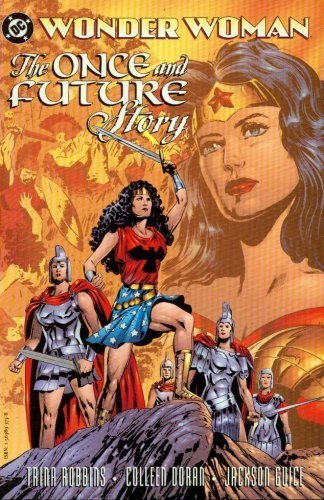
That never made her rich but at least loads of advertising and commercial art jobs kept wolves from the door – as she secured a growing succession of commissions in the straight strip world for companies like Warren, Western Publishing, Eclipse, Marvel and DC Comics where she co-wrote and drew The Oz-Wonderland War. Lay graduated to newspaper strips and in 1992 created Story Minute (latterly Way Lay) for LA Weekly, progressive web site Salon.com and for international syndication. She has since written Wonder Woman novels, created storyboards and designs for film and the music industry and worked for The Village Voice, Entertainment Weekly, The New York Times, The New Yorker, Mad Magazine and more. In 2010 she began a semi-regular gig drawing The Simpsons for Bongo Comics.

Back to Irene and this cruelly out-of-print treasure. To Western eyes the rescued heiress is truly hideous. It is to the credit of the character that she endures cheerfully, eschewing any kind of corrective surgery or procedures. By her own deeply held aesthetic lights, she is beautiful and wants to remain that way.

Using the art tropes and narrative style of traditional romance comics as a vehicle, Lay examined social mores and aesthetic taboos, and especially the power of conformity to affect the most primal of emotions – Love and Desire …with a huge side order of Greed. Don’t let my pomposity fool you, though. This is a romance, and a daring, funny charming one at that.

Her skill as artist and storyteller in relating the picaresque tribulations are subtly subversive, and you will soon lose any reservations you might initially have been inflicted with. This is a landmark experiment and a wonderful example of grow-up comic literature. The initial series never reached a conclusion, and this volume also contains all-new episodes that concluded the saga of the beautiful, irrepressible and indomitable Irene after adverse publishing conditions killed Good Girls before its time.
© 2007 Carol Lay. All Rights Reserved.

Phoolan Devi: Rebel Queen


By Claire Fauvel, translated by Montana Kane (NBM)
ISBN: 978-1-68112-251-9 (HB/Digital edition)

Born in 1988, award-winning graphic novelist Claire Fauvel (À la recherche d’Alvaro Dolor; Sur les pas de Teresa, la religieuse de Calcutta [w/Marie-Noëlle Pichard]; Une Saison en Egypte; Catherine’s War [w/Julia Billet]) studied illustration at Paris’ L’Ecole Estienne and animation at L’Ecole des Gobelins before beginning an illustrious career in bande dessinée. She’s particularly adroit and adept with female historical figures…

Phoolan Devi: Rebel Queen is that rare event, a history that has all the energy and impetus of a great action adventure and pioneering, political tract. Despite being a factual graphic biography, this is the stuff of legend and grand drama, detailing the astounding, appalling, tragic and triumphant life of a woman who bucked India’s ancient, all-pervasive caste system and paid the seemingly inescapable price the nation’s women seem doomed to. A victim of poverty and inequality from birth, she sought change through bloody deeds and – and as is so often the case – ultimately via political action, in a country where prejudice is institutionalised and baked in: expressed via gender- and caste-based violence, and fostering for millennia a tyrannical social system of inherent, inbuilt corruption where gods and birth status forever dictate one’s position in life by denying all possibility of advancement or change…

Phoolan suffered a double blow at birth: born both destitute and female. Never educated, she remained illiterate all her life. Her innate burden of being shunned and in grinding poverty was further exacerbated when she was married off at age 11: beginning a harrowing pattern of slavery and sexual abuse that lasted until she was rescued by a troop of legendary bandits infesting Uttar Pradesh at the time. They were actually more decent – and fundamentally more heroic – than most respectable citizens (for which read Men), civil authorities and police officers of the region. Becoming lover to one of the gang, she suffered even greater abuse when he was murdered by a rival from a different caste.

Surviving all these assaults, Phoolan organised an infamous vengeance massacre at the village of Behmai. That slaughter was picked up by the press, who recast her as a rebel queen and her lover as a martyr. The public began using the honorific “Devi” about her and, after a mythic career, she surrendered to authorities in 1983. Over 11 years of imprisonment, 48 capital charges including murder, plunder, arson and kidnapping were incrementally dropped before a trial that never came. In 1994, the state government led by Mulayam Singh Yadav of the Samajwadi Party withdrew all charges and she walked free. Joining that political group, she was elected to national office twice, becoming a powerful advocate for radical change in the caste system and the patriarchal treatment of women. Regarded as the “voice of the oppressed”, on 26th July 2001 her past caught up with her when she was assassinated by relatives of the bandits killed at Behmai.

Fauvel took her inspiration from acclaimed 1996 autobiography Moi, Phoolan Devi, reine des bandits by Phoolan Devi & Marie-Thérese Cuny, and although not all of those events are included in this stunning and uncompromising account, the supremely enticing and engaging art succeeds in mixing some few moments of hopeful aspiration, happy romance and family unity to offset the revolting iniquities Phoolan and other women had to survive on a daily basis. Many still do.

This brilliant tale is grim and unflinching in the portrayal of the constant assaults and abuses she endured, so you’d best gird yourself for plenty of righteous indignation and outright anger at the catalogue of venality and casual intolerance civilised folk still seem capable of…

Potent, unmissable, and primed to continue the fight, this is a book you must read.
© 2018 Casterman. © 2020 NBM for the English translation.

Mata Hari


By Emma Beeby, Ariela Kristantina, with Pat Masioni & Sal Cipriano (Berger Books/ Dark Horse)
ISBN: 987-1-50670-561-3(TPB) eISBN: 987-1-50670-590-3

Until relatively recently (some would argue that should read “hopefully soon”), History has never really treated women well or even factually or fairly. When not obscured, sidelined or just written out, they have been cruelly misunderstood and misrepresented. Moreover, as we’re all painfully aware these days, a bold lie or convenient fabrication has far more veracity than simple, muddled, messy truth.

Margaretha Geertruida “Margreet” MacLeod (nee Zelle) was born on August 7th 1876 in Leeuwarden (in the Dutch Netherlands) to milliner and later industrialist Adam Zelle. She was the eldest of four children raised in wealth… until her father lost it all. Margreet’s life became more troubled and remarkable after that, before she died on 15th October 1917 in front of a French firing squad.

In between, she had married, lived in the East Indies, had children she never really knew and artfully remade herself as a rather scandalous dancer and performer. Margreet adopted a stage name – Mata Hari (which means “eye of the dawn” in Malay) – and her gifts, drive and determination led to her becoming a successful courtesan in the highest circles of privileged society, with princes, ambassadors, tycoons and generals all clamouring for her attention. She was also courted by some countries – including France and Great Britain – to act as an operative in the dangerous world of espionage.

After a chequered life during a volatile period when European society seemingly embraced and welcomed strong independent women, she was accused on meagre evidence of spying for the Germans during the Great War, and rapidly convicted. Deemed to have caused the death of 50,000 men, and the moral ruination of countless others, Mata Hari became and remains the purest and most enduring symbol of the deadly, cunning femme fatale…

However, in the last few decades, serious historical investigation has cast a rather different, and far fairer complexion on the mythical spy in film, song, ballet, books, musicals and all arenas of popular culture. Among the most compelling was an imaginative 5-issue miniseries from Dark Horse’s Berger Books imprint: a collaboration of writer Emma Beeby (Judge Dredd, Doctor Who, Judge Anderson), artist Ariela Kristantina (Wolverine: The Logan Legacy, Deep State, Insexts), colourist Pat Masioni and letterer Sal Cipriano.

Blending hard fact with emotive supposition and informed extrapolation, the sorry episode unfolds in the flashbacks and daydreams of a prisoner held at the Saint-Lazare Prison for Prostitutes in Paris in October 1917. Opening chapter ‘Bare Faced’ introduces Margreet as she strives and struggles to complete a book that will tell her story in her own words…

Against a backdrop of political and military manipulation resolved to make an example of her, ‘Bare Breast’ details her disastrous, life changing marriage and its terrible consequences whilst ‘Bare Heart’ relates her fight back to independence and notoriety after which ‘Bare Teeth’ moves on to the war and great love for a Russian soldier that led to her downfall in ‘Bare All’…

Real life doesn’t work the way narrative would like and the people there aren’t actors. Packed with documentary photos, this contemplative fable carefully acknowledges all that frustrating complexity in an account scrupulously devoid of heroes and outright villains whilst exposing centuries of institutionalised injustice in an extremely entertaining manner. It closes with a series of textual Codas (offering even more intimate photos of the woman and her times) with ‘Mata Hari’s Conviction’, relating oddities and strange events regarding the disposal of her body plus an authorial opinion by Beeby in ‘Was Mata Hari a Martyr?’…

In both word and imagery, Mata Hari is a potently beguiling, evocatively uncompromising retelling of a murky and long-misconceived moment in history any student of the past and lover of comics will adore.
Mata Hari text and illustrations © 2019 Emma Beeby and Ariela Kristantina. All rights reserved.