The Clockwork Girl


By Sean O’Reilly & Kevin Hanna, illustrated by Mike Thomas, Grant Bond, Karen Krinbrink, Mirana Reveier & others (Arcana Studio)
ISBN: 978-0-9809204-1-3 (TPB Arcana) 978-0-06208-039-4 (HB Harper Design) 978-0062091291 (PB film edition)

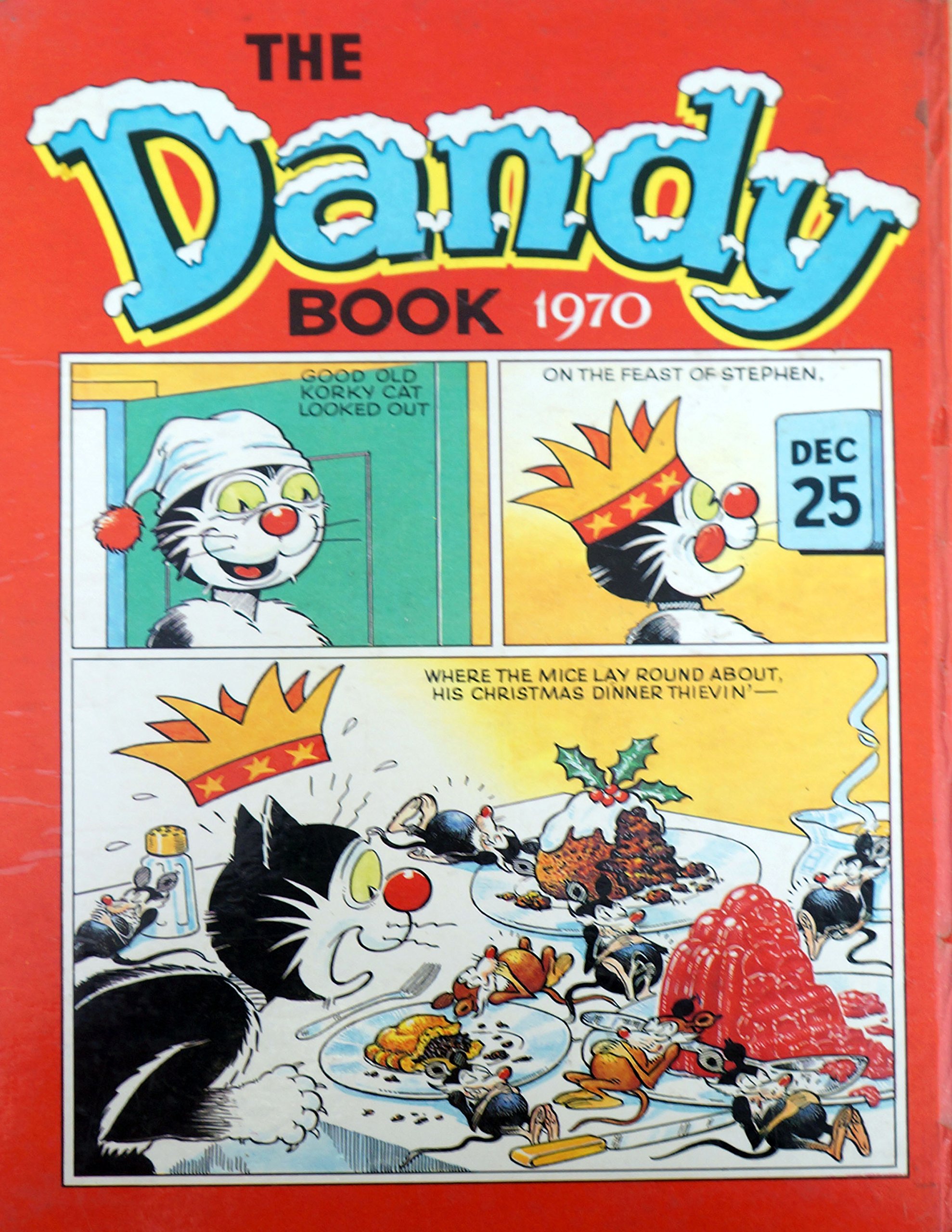
The literary concept of autonomous automatons has been with us a long time now: my first exposure was wind-up warrior Tik-Tok from L. Frank Baum’s Ozma of Oz in 1907 (that’s when the book was published, not when my parents read it to me), but even he wasn’t the first. You could try tracking down 1868’s “Huge Hunter” AKA The Steam Man of the Prairies (by Edward S. Ellis) or dip into mythology for Talos, the bronze construct who defended Europa in ancient Crete to see how wedded we are to the notion of constructed comrades and champions.

“Mechanical Men” are one of those rare confabulations that existed in people’s heads long before we actually discovered, built or confirmed them – just like teleportation, the Higgs Boson or equal pay for women. It’s a rare person who doesn’t have some inner conception of what a robot should be…

As such a chimeric concept, hand-made beings fit almost anywhere in storytelling, as seen here in this modern fairy tale, crafted with the intention of becoming a film classic for kids of all ages. The 5-issue miniseries came out in 2008 and was collected as a graphic novel the same year, with the movie finally released in 2014…

In the fantastic city of Harfang, a metropolis both ancient and futuristic, wise men and savants, enquiring minds and inventors enjoy lives of wondrous creativity and hold regular contests to determine who is the most brilliant and inspired among them. Here Dendrus the Grafter specialises in resurrections, radical surgery and biological blending whilst his old friend and greatest rival Wilhelm the Tinkerer has devoted his life to mastering physics, engineering and all mechanical disciplines…

One night, just before the Haraway Fair that would determine this year’s greatest intellectual achievement, the Tinkerer finally succeeds in creating true life from cold metal, cogs and springs. Unlike his soulless, lumbering previous attempt T-Bolt, this latest effort is a sublime creature of wonder and delight who will show the world what genius is…

Dendrus, meanwhile, is having problems with a previous triumph. Last year Huxley was a sensation: a masterpiece of biological cross-pollination and reconstructive surgery, but lately the lad has been living up to his daunting appearance and – undeserved – reputation, increasingly becoming an unruly handful and headache for his “father”…

Leaving the “monster boy” to check out the usual parade of insane experiments on display (by the usual scientific suspects), Dendrus is there when the Tinkerer unveils his metal marvel: a beautiful, beguiling Clockwork Girl who is truly alive. He proudly awards Wilhelm first prize, but is too distracted by the chaos of the Botanist’s exhibit escaping to notice the effect the gleaming gamin has on awestruck Huxley…

Utterly enraptured, the beast boy can talk of nothing else to best pal Maddox, and soon they are trailing the victor’s carriage back to the Tinkerer’s castle and risking their lives to get in and meet her. Persistence overcomes all odds and soon they are in her tower chamber, chatting with the charming innocent. Huxley is astonished to discover she has no name. At his insistence she christens herself, plucking the name “Tesla” out of thin air and her imagination…

Before they leave, Huxley agrees to meet with her again tomorrow, and show her the world her neglectful, fame-besotted father has brought her into…

Meanwhile, Wilhelm broods, remembering the fiasco of T-Bolt’s debut at last year’s fair; how Dendrus betrayed him and his abominable monster-boy denied him of his glorious due – a rather one-sided and inaccurate summation of what actually happened…

Next day, in the wilds around the castle, Huxley is amazed at Tesla’s joyous response to each new observation and experience, but wonder turns to terror as a sudden rain shower sparks pain and terror in the mechanical maid. Saving her day-old life through prompt action, he shares his unique origins with her as they shelter whilst she – literally – opens her heart to him, inadvertently proving how alike they truly are…

It’s an innocent moment presaging heartbreak, as when the kids return to their respective homes, their perpetually meddling parents forbid any further contact. It’s a recipe for disaster…

Unable to stay apart, the kids disobey and in the melee that follows, Maddox is grievously injured and Huxley driven off, with Tesla rushing out into the deadly rain to somehow make things right.

As Dendrus and Wilhelm recover their wits and finally reconcile, it may be too late to save the children that have brought them back together. Thankfully, science and cooperation will provide the solution…

An enchanting pastiche of Romeo and Juliet, The Clockwork Girl blends whimsy, humour and the drama of first love in a charming romp with a happy ending, and comes with a bonus section that includes ‘Origins’ of the project, ‘Story Concepts’ and sketches by Sean O’Reilly & Kevin Hanna, plus Pin-Ups from illustrators and guest artists Sean “Cheeks” Galloway, Mirana Reveier, Jose Lopez & Aron Lusen, Barnaby Ward, Paul Adam, Vincent Perea, Hanna, Javier Giangiacomo, Royden Lepp and Bengal.

A wonderful confection proving the power of diversity and confirming the rewards of inclusion, this is a timeless treat long overdue for a revisit and some serious acclaim.
© 2008 Arcana Studio, Inc. All rights reserved.

Mega Robo Bros: Power Up and Mega Robo Bros: Double Threat


By Neill Cameron with Abby Bulmer & Lisa Murphy (David Fickling Books)
ISBNs: 978-1-78845-200-7 (Power Up PB) and 978-1-78845-232-8 (Double Threat PB)

Just like The Beano, Dandy and other perennial childhood treasures, weekly comic The Phoenix masterfully mixes hilarious comedy with enthralling adventure serials… sometimes in the same scintillating strip. Such I the case here, with the synthetic stars of these superbly remastered compilations: mega-magnificent sci fi frolics packed into full-colour volumes of high-octane comedy-action, with added activity pages to complete your entertainment experience. Everybody strapped in?

Plunging straight into the enchanting immersive experience, we open in a futuristic London on a Monday morning. Alexand his younger brother Freddie have missed the airbus for school and dad has to take them. It’s a uniquely Sharma-family catastrophe…

In most ways the boys are typical: boisterous, fractious kids, always arguing, but devoted to each other and not too bothered that they’re adopted. It’s also no big deal to them that they were created by the mysterious Dr. Roboticus before he vanished and are considered by those in the know as the most powerful robots on Earth.

For now, it’s enough that Mum and Dad love them, even though the Robo Bros are a bit more of a handful than most kids. They live as normal a life as possible; going to school, making friends, putting up with bullies and hating homework: it’s all part of their Mega Robo routine…

This week, though, things are a bit different. On Wednesday the lads meet Baroness Farooq of covert agency R.A.I.D. (Robotics Analysis Intelligence and Defence) who – despite being initially unimpressed – changes her mind after seeing what the lads do to her platoon of Destroyer Mechs – all while between singing rude songs, reading comics and squabbling with each other.

Thursday is even better. As a treat, the entire family goes to Robo World where Freddy rescues a trio of malfunctioning exhibits. The baby triceratops with dog-programming is ok, but the French-speaking deranged ape and gloomily existentialist penguin might be a handful in days to come. …and all because Mum was trying to explain how her sons’ sentience makes them different from other mechanoids…

Friday wasn’t so good. Alex had another one of his nightmares, of the time before they came to live with the Sharmas…

With the scene exquisitely set, the drama kicks into overdrive when a school visit to the museum offers a hidden menace constantly watching the boys an opportunity to create chaos by hacking all the exhibits. Even though Freddy and Alex use all their super-powers to set things right, it takes all of the Baroness’ astounding influence to hush up the incident. They are supposed to be getting as normal a childhood as possible, with friends and family aware that they’re artificial and sentient, but not that they are unstoppable weapons systems. Now some malign force seems determined to “out” the Robo Bros for unspecified but undoubtedly sinister purposes…

Even greater cloaking measures are necessary when the hidden enemy causes a sky-train crash. The boys very publicly prevent a disaster, but even they are starting to realise something big is up. It also confirms that and Mum is a bit extraordinary herself, even before Freddy overhears some disturbing news about another one of Dr. Roboticus’ other creations…

The crisis erupts after Gran takes Alex and Freddy to a Royal Street Party outside Buckingham Palace. When the hidden enemy hacks the giant robot guards and sets them loose on the Queen and her family, the wonder-bots have to save them on live TV beamed around the world. The secret is out…

With the entire world camped outside their quiet little house, Mum has R.A.I.D. restore the Mega Robo Status Quo by building a super-secret tunnel system in the cellar. It’s a big day all around: Farooq is finally convinced that Alex is at last ready to join the agency… after school and on weekends, of course…

Freddy is extremely peeved that that he’s not invited. The Baroness still considers him too young and immature. He soon proves it when Alex becomes a Mega Robo Secret Agent, compelling Freddy to at last confide in dad the real reason he’s acting up. He then has opportunity to redeem himself and save the day when their nemesis makes his move and Alex finds himself completely out of his depth. Then only Freddy can save the day… if anyone can…

Crafted by Neill Cameron (Tamsin of the Deep, How to Make Awesome Comics, Pirates of Pangea), this is an astonishingly engaging tale that rockets along, blending outrageous comedy with warmth, wit and incredible verve. This volume also includes copious files on all the characters and activity features ‘How to Draw Alex’ and ‘How to Draw Freddy’ plus hilarious strip-within-a-strip ‘The World According to Freddy!’.

Alex and Freddy are utterly authentic boys, irrespective of their artificial origins, and their exploits strike exactly the right balance of future shock, family fun and bombastic superhero action to capture readers’ hearts and minds. With the right budget and producer what a movie this would make!


With additional colouring by Abby Bulmer & Lisa Murphy, second volume Mega Robo Bros: Double Threat sees the marvellous metal (and plastic) paladins return to share more of their awesome adventures and growing pains!

It’s still the Future!

In a London much cooler than ours, boisterous, fractious, argumentative, more-or-less typical kids Alex and Freddie are still devoted to each other and not much bothered that they’re adopted, recently became super-secret agents and that almost the entire world knows…

When occasion demands, they undertake missions for Baroness Farooq. They think it’s because they are infinitely smarter and more powerful than the Destroyer Mechs and other man-made minions she employs…

Moreover, Dad might be just be an average old guy, but Mum is a bit extraordinary too…

Life in the Sharma household is pretty normal. Freddie is insufferably exuberant and over-confident whilst Alex is approaching the age when self-doubt and anxiety start kicking in, but mostly it’s their parents’ other robot rescues that are a bit of a trial.

Baby triceratops Trikey with his dog-programming is ok, but French-speaking loony ape Monsieur Gorilla can be mighty confusing. Gloomily annoying, existentialist aquatic fowl Stupid Philosophy Penguin constantly quotes dead philosophers and makes people rapidly consider self-harm or manic mayhem …

Alex is getting a hard time from classmates Mira and Taia. They used to be best friends, but with all his extra-curricular activities, the girls are feeling neglected. Alex’s guilt turns to something far worse on Monday after a heated football match leads bully Jamal to make a startling accusation. But actually, how do we know if Alex is a Boy or a Girl…?

Deeply shaken, the startled hero naturally asks Mum and she’s never been more grateful for a sudden sneaky Surprise Giant Robot Attack that interrupts her answer…

Alex and Freddie are then called in by the Baroness, before jetting over to Aldgate Tube Station to battle a colossal driller-droid. Further investigation leads the lads and a R.A.I.D. science team deep, deep, deep into the abandoned transport tunnels beneath the city….

Here they encounter an army of rejected, rebuilt robots undertaking the bizarre agenda of a crazy bag-lady calling herself The Caretaker. When she abruptly loses control of her precious charges, all Hell breaks loose. During a massive fight, she escapes to an even more secret lair: an ongoing repair project with hidden ramifications that will have dire consequences for the bombastic boys and the entire world…

Freddie experiences Mum’s stern side when she takes him – kicking and screaming – clothes shopping, after which shameful incident, further mortification and emotional distress arrives as the price of fame is fully paid when Prettiest Girl in School Jamila finally notices Alex.

With his shiny head all turned around, he’s in no mood for Freddie’s jealous response: candid home videos posted on VuTube. The elder sibling’s even less chuffed when those postings go mega-viral, drawing some cruel comfort when Freddie’s celebrity bubble inevitably implodes in a most unfortunate manner…

Wrapping up with a spectacular big finish, the kids – and their surprisingly famous mum – are star guests at the massive London Robo Expo. After taking down obnoxious, fame-craving mech-makers Team Robotix in a gladiatorial contest, the lads understandably think the action portion of the entertainment has ended, only to see the Caretaker’s darkest secret burst in with mass-murder in mind…

The huge rampaging robot quickly reinforces all humanity’s fears and anxieties about sentient mechanicals, but as the Mega Robo Bros drive the belligerent Wolfram off, Alex realises with alarm that Mum knows far more about the rogue – and her own “sons” – than she’s ever let on…

Augmented by more character info-files on the players involved; activity features (an extended) ‘How to Draw Freddy’and ‘How to Draw Stupid Philosophy Penguin’ plus even-more outrageous ‘The World According to Freddy!’ strips, this is another exceedingly engaging romp which rockets along like an anti-gravity rollercoaster, blending mirth with warmth, wit and incredible verve. These books offer unmissable excitement for kids of all ages and vintage, and are true “must-have” items.
Text and illustrations © Neill Cameron 2021. All rights reserved.

Both Mega Robo Bros collections will be released on August 5th 2021 and are available for pre-order now.

Freddy and the New Kid (The Awesome Robot Chronicles volume 2)


By Neill Cameron (David Fickling Books)
ISBN: 978-1-78845-164-2 (PB)

Neill Cameron (Bulldog Empire; Judge Dredd Megazine; Henry V; The DFC) knows how to charm and enthral kids of all ages, particularly with his work in the picture-perfect pages of wonderful weekly The Phoenix: strips like Tamsin of the Deep; How to Make Awesome Comics and Pirates of Pangea.

To my mind, the best of the proud bunch is Mega-Robo Brothers, set in a futuristic London (at least 3 months from now, but with flying buses…) with a pair of marvellous metal-&-plastic paladins who are not like other schoolkids – no matter how much they try…

Cameron became a stalwart of proper literature after migrating the younger of his artificial wonders to the prose pages of proper books in the grand manner of Just William or Billy Bunter – albeit heavily illustrated, cartoon stuffed ones – with Freddy Vs. School. Here he cracks on with a splendid sequel…

Welcome to the Future!

In a London much cooler than ours Alex Sharma and younger brother Freddy are (mostly) typical kids: boisterous, fractious, argumentative but devoted to each other… and not too bothered that they’re adopted. It’s no big deal for them that they were originally built by mysterious Dr. Roboticus before he vanished, or that they are considered by those in the know as the most powerful robots on Earth.

That includes Mum and Dad. Mr Sharma may be just your average working guy, but Mum is actually a bit extraordinary herself. A renowned boffin, Dr. Nita Sharma carries some surprising secrets of her own, and occasionally allows her boys to be super-secret agents for R.A.I.D. (Robotics Analysis Intelligence and Defence).

It’s enough for the digital duo that they’re loved, even though they are more of a handful than most kids. They try to live as normal a life as possible; going to school, making friends, putting up with bullies and hating homework: it’s all part of Mega Robo Routine to blend boring lessons, fun with friends, games-playing, TV-watching and training in covert combat caverns under R.A.I.D. HQ…

When occasion demands, the lads undertake missions, but mostly it’s just home, games, homework and School. At least that’s how it seems to Freddy: a typical 10-year-old (well, except for the built-in super-powers).

Alex is at the age when self-doubt and anxiety take hold and counters the anxiety by trying to fit in, but Freddy is still insufferably exuberant and over-confident. It leads to frequent confrontations with unreasonable, unliked Deputy Head Mr. Javid and resulted in a specific set of school rules that apply only to the robot boy: a draconian Code of Conduct forbidding any students from using super-strength, booster rockets or lasers on school property…

Even when Freddy sticks to the rules, trouble just seems to go looking for him. He’s wilful and easily led, especially by best friend Fernando who also hates boring learning and loves excitement. Dr. Sharma calls him an “instigator”, but believes the influence of sporty Anisha, quiet swot Riyad and even (mostly) reformed bully Henrik can modify Freddy’s inability to do what he’s told…

Sadly, that was before ultra-competitive new girl Aoife arrived. She’s good at all subjects, a superstar on the sports field and quite likable, but for some reason hates and despises robots. All too soon, she and Freddy are arch enemies, engaged in a duel to prove whether humans or machines are best. The contest divides the school, separates Freddy from his friends and leads to a destructive plague of betting in the school…

Cash-strapped and cost obsessed, Mr Javid exacerbates the situation by systematically laying off human teachers and replacing them with low grade robots. It starts in the sports department but gradually the cheap mechanoids encroach on actual lessons, and all too soon Aoife has taught the students how to modify and reprogram them…

As the rivals strive to prove their point of view, chaos descends on the school. Lessons are affected; relationships shift; the remaining staff revolt and the robot replacements go berserk. Soon it’s time for lasers and rockets and maybe even some necessary explosions…

Somehow amidst all the madness, Freddy and Aoife start to see each other’s point of view, tone down their aggression and even properly get on. Now all they have to do is calm down the rioting kids, turn off the rebellious techno-teaching assistants, safely dismantle the gambling cabal and get their former friends to talk to them again…

Stuffed with monochrome cartoons and bouncy graphics, this is unmissable entertainment for all ages and vintages: a splendidly traditional potent school days comedy romp, amped up on sci fi and superhero riffs and carrying a powerful message that competition has a downside. Freddy and the New Kid is another amazing adventure for younger readers that you’ll adore too.
Text and illustrations © Neill Cameron 2021. All rights reserved.

Bunny vs Monkey and the League of Doom!


By Jaimie Smart, with Sammy Borras (David Fickling Books)
ISBN: 978-1-78845-230-4 (TPB)

Bunny vs. Monkey has been a fixture of British comics phenomena The Phoenix since the very first issue in 2012: recounting a madcap vendetta gripping animal arch-enemies set amidst an idyllic arcadia masquerading as more-or-less mundane English woodlands.

Concocted with gleefully gentle mania by cartoonist, comics artist and novelist Jamie Smart (Fish Head Steve!; Looshkin; Flember), his trend-setting, mind-bending yarns have recently been retooled as graphic albums available in remastered, double-length digest editions such as this one. In case you’re wondering, the fabulous fun found here originally inhabited volumes 5 & 6, then entitled Destructo and Apocalypse…

All the tail-biting tension and animal argy-bargey began after an obnoxious little beast popped up in the wake of a disastrous British space shot. Having crash-landed in Crinkle Woods – scant miles from his launch site – lab animal Monkey believed himself the rightful owner of a strange new world, despite sustained efforts of reasonable, sensible, genteel, contemplative Bunny to dissuade him. For all his patience, propriety and good breeding, the laid-back lepine just could not contain the incorrigible idiot ape, who was – and is – a rude, noise-loving, chaos-creating troublemaker…

The original collected volumes dispensed disaster-drenched doses of daftness in six-month courses of ill-treatment, but this new compilation covers Year Three from Winter to Winter as first enjoyed in Destructo and Other Ridiculous Stories! and Apocalypse and Other Surprising Stories!.

Here – with artistic assistance from Sammy Borras – the war of nerves and mega-weapons resumes and intensifies. The unruly assortment of odd critters littering and loitering around the bucolic paradise,p finally pick a side: shifting and twisting into bipartisan factionalism. They all seem to have forgotten that rapidly encroaching Hyoomanz are now well underway in building something called a “motorway” right through the sylvan glades and (apparently) unprotected parks…

It all resumes with tiny terror Monkey manifesting more mayhem and almost turning his own stomach inside out whilst attempting to weaponise some very nasty stuff he finds under his feet in ‘Gross!’

With snow on the ground Monkey finds a way to spoil the Great Sled-Off in ‘Tobog-Gone!’ and latterly sets back mammal-robot relations by picking on newcomer ‘Metal Steve 2!’, before a new menace manifests to worry the woodland folk in the dark guise of evil arch-villain ‘Destructo!’

When the weather clears up, Monkey’s Double-Barrelled Supercharged Snow-Cannon-Tank is suddenly deprived of ammo… until the pest repurposes his toy to fire chutney. Sadly, even this resultant chaos is insufficient to his comprehending ‘The Message!’…

A brief and sudden return of evil genius ‘Skunky!’ only leads to disappointment, but his crazed influence remains to monsterize the ‘Pretty Flowers!’, whilst the debut of cyborg bounty hunter ‘Alan!’ (Armoured Locating Armadillo Network) threatens to destabilise the ongoing conflict until the big bully gets on the wrong side of gentle, peace-loving Pig‘s ice cream…

Too much of the good life eventually slows down our friends so they convince eco-warrior Le Fox to help them ‘Get Fit!’just in time for the awful ape to celebrate (or desecrate) Easter by eating all ‘The Wrong Eggs!’

As Spring unfolds, the wee woodlanders face Skunky’s robotic Vulturaptors in ‘Terror from the Skies’, but when night falls, huge ‘Bobbles!’ from the sky spark fears of alien invasion…

The good guys then try to infiltrate ‘The Temple!’ (Skunky’s new high-tech citadel of evil), just in time for ‘The Audition!’ to join the musky mastermind’s new gang the League of Doom. Sadly, the only one making the grade is meek misfit Pig in his new gruesome guise of ‘Pigulus!’…

History horrifically repeats itself when another crashed space capsule ejects an even more destructive newcomer in ‘The Evil Monkey!’ – which only incites the previous incumbent to up his aggravating game…

When the genteel inhabitants of the wood start enjoying ‘Picnics!’, they have no conception the day will end in chaos after Skunky’s escaped Grasshopalong induces the mechanic maverick to attempt recapture with his giant Tarsier…

Occasional ally Le Fox cultivates an air of mystery, but when the League of Doom unleashes a deadly custard assault his annoying old ‘Uncle Fox!’ soon proves to be the real superspy deal, just as Monkey’s latest property deal lands Bunny with an obnoxious ‘Bad Neighbour!’ in the form of musician Bert Warthog.

…But not for long…

When Skunky unleashes his devastating colossal De-Forester 9000, the unthinkable occurs as Bunny and Monkey declare ‘The Truce!’, leading to the mega-machine’s demise, but by the time brain-battered, bewildered former stuntman Action Beaver becomes ‘The Messenger!’ for the skunk’s poison letters, all bets are off again and it’s every critter for himself…

More mad science sees the launch of a weather station and an unseasonal snow barrage, but Skunky’s malignant fun is ruined after Weenie Squirrel demonstrates astounding piste pizazz in ‘Ski-Daddle!’, before a lost little skunk destabilises the wicked stinker. Thomas is unmoved by monster robots like the rampaging Octobosh and truly gets to the emotional soft side of his newfound ‘Uncle Skunky!’…

Perhaps that episode is what prompts his invention of ‘The Truthometer!’, but when Skunky hears what the woodlanders actually think about him, he regrets ever thinking of it…

His Quantum Bibble Fobbulator also goes wrong, tearing ‘Wormholes!’ in the forest fabric, but the rustic residents make the best of the situation, whilst the skunk’s size-changing ray only makes his victims too tall to tackle in ‘The Embiggening!’

The rural riot the escalates with a frankly disturbing insight into the simian star’s softer side as he administers first aid to ailing Bunny and subsequently descends into megalomania as the truly terrifying ‘Nurse Monkey!’…

Easing effortlessly into the middle of the year, ‘The Importance of Being Monkey’ layers on the intrigue as the human scientists who originally rocketed the simian sod – and his evil successor – into paradise come looking for their property – accidentally revealing a deeper plot and properly mad doctor in charge. At least, Monkey has finally been allowed to join the League of Doom…

The deployment of ‘Poop!’ bins outrages and baffles the woods-folk, leading to a disastrous attempt to excise the humans’ daft innovations, after which human child Elouise reclaims her old toy Metal Steve, unaware that Skunky’s “improvements” will soon lead to them all needing ‘A New Home’…

Careless and catastrophic piloting of cetacean construct ‘Wahey-Ell’ reveals Monkey’s astigmatism whilst a new sinister faction targets Bunny in ‘The Order of the Woods’ but events take a deeply disturbing turn when Skunky’s new submersible uncovers a fantastic sunken kingdom ‘Beneath the Waves’ and affable nutter ‘Super Action Beaver’ gets a handy superhero makeover, but nothing prepares the woodlanders for Monkey’s weaponisation of concrete in ‘Stone Cold’…

A beloved hero embraces his evil side in ‘The Crimson Gobbler!’ while Skunky initiates Monkey into the secrets of ‘The Destroy-o-torium’, but wickedness is not restricted to the League as Terence the evil Anti-Bunny cruelly meddles with his good twin’s downtime in ‘Bunny TV’. Having said that, there’s no substitute for the real thing as seen when ‘Monkey with a Flame Thrower’ depicts what happens when the meddler gats access to Skunky’s Cannon Barrel…

The truth behind the chaos and super-science mayhem is revealed in ‘An Important Message’, but as Le Fox leaves it with Weenie and Pig, it’s as good as lost before he’s finished speaking, leaving Skunky and Robot Steve to slice, dice and splice animal DNA and make mockery of nature in ‘Mixey-matosis’…

As Autumn falls, Action Beaver’s inner monologue is explored in ‘Noises’ before Bunny learns never ever to go ‘Camping’ with Pig and Squirrel even as Skunky’s brilliance in stealing all Earth’s colours with ‘The Mono-Chromatron!’ founders on the rocks of sheer idiocy…

The grand design of sinister humans running MeanieCorp Laboratories, the origins of ultimate destroyer the Moshoggothand the truth about Monkey are then systematically exposed in a time-bending extended epic beginning with ‘The Last Broadcast’. The daft drama is expanded upon in ‘To Destinyyy’ and ‘Find the Monkey’ before a valiant defender risks everything to save the Woods, the world and all reality, beginning with ‘Sabotage’; navigating the alternate timeline terrors of ‘Monkey in Charge’ and closing in Winter as the sinister schemes and cosmic carnage affect the memories of those who barely survived in ‘Onwards to Skunky’…

It’s not all safe and fine yet, however, and a final sacrifice is called for as ‘The Monstrous Below’ liberates the Moshoggoth and activates a Reality Discombobulator. Thankfully,
‘Fantastic Le Fox’ is on hand and ensures there’s enough of creation left to carry on by ‘Remembering Friends’…

Adding lustre and fun, this superb treat includes detailed instructions on How to Draw Action Beaver’ and ‘How to Draw Le Fox’, so, as well as beguiling your young ‘uns with stories, you can use this book to teach them a trade…

The absolute acme of absurdist adventure, Bunny vs Monkey is weird wit, brilliant invention, potent sentiment and superb cartooning all in one eccentric package: providing irresistible joy for grown-ups of every vintage, even those who claim they only get it for their kids. This is the kind of comic parents beg kids to read to them. Is that you yet?
Text and illustrations © Jamie Smart 2021. All rights reserved.

What Is It?


By Nicole Hoang & Dustin Nguyen (KaBOOM!)
ISBN: 978-1-60886-835-3 (HB) eISBN: 978-1-61398-567-9

Let us never forget that it’s a strange, often dangerous but always wonderful world. Happily, creators like Nicole Hoang and her husband – designer, illustrator and comics creator – Dustin Nguyen (Manifest Eternity; American Vampire; Batman: L’il Gotham) are there to remind us by celebrating the little mysteries and tiny marvels of life as seen through young eyes.

This early-reader all ages hardback and digital tome introduces youngsters to the joy of stories told in pictures – and rhyme – with the joyously uplifting tale of a little girl who discovers a monster in the woods and learns that even the unknown and intimidating can be scared too…

Beautifully illustrated and captivatingly choreographed, this family-friendly yarn is just a charming delight that cannot fail to bring a smile to any readers face. If you feel in need of a visual pick-me-up and reason to keep going, this is a picture perfect prescription.
™ & © 2016 Nicole Hoang & Dustin Nguyen. All rights reserved.

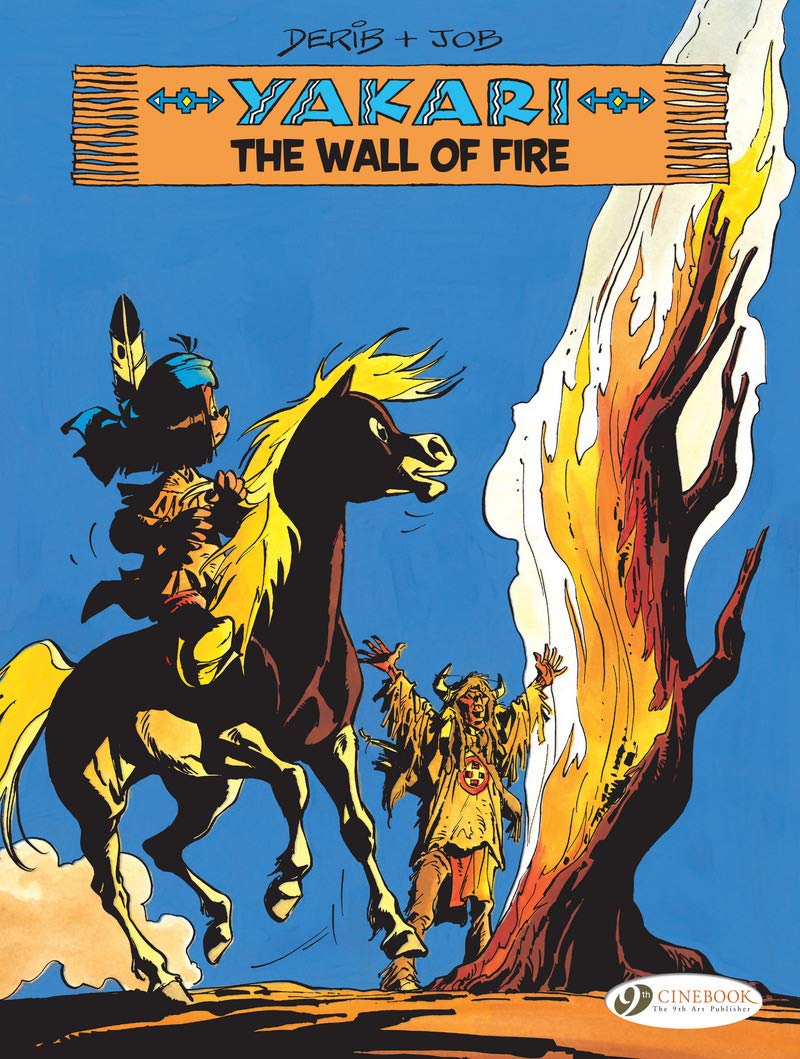
Yakari and the White Buffalo (volume 2)


By Derib & Job, translated by Erica Jeffrey (Cinebook)
ISBN: 978-1-90546-004-5 (Album PB)

Children’s magazine Le Crapaud à lunettes was founded in 1964 by Swiss journalist André Jobin who then wrote for it under the pseudonym Job. Three years later he hired fellow French-Swiss artist Claude de Ribaupierre AKA “Derib”. The illustrator had launched his own career as an assistant at Studio Peyo (home of Les Schtroumpfs), working on The Smurfs strips for venerable weekly Le Journal de Spirou. Together they created the splendid Adventures of the Owl Pythagore before striking pure comics gold a few years later with their next collaboration.

Derib – equally au fait with enticing, comically dynamic “Marcinelle” cartoon style yarns and devastatingly compelling meta-realistic action illustrated action epics – went on to become one of the Continent’s most prolific and revered creators. It’s a crime that groundbreaking strips such as Celui-qui-est-né-deux-fois, Jo (the first comic ever published dealing with AIDS), Pour toi, Sandra and La Grande Saga Indienne) haven’t been translated into English yet, but we still patiently wait in hope and anticipation…

Many of Derib’s stunning works over the decades feature his cherished Western themes; magnificent geographical backdrops and epic landscapes. Yakari is considered by fans and critics to be the strip which first led him to deserved mega-stardom.

Debuting in 1969, Yakari follows the life of a young Oglala Lakota boy on the Great Plains; set sometime after the introduction of horses by the Conquistadores but before the coming of modern Europeans.

The series – which has generated two separate TV cartoon series and a movie release – has achieved 40 albums: a testament to the strip’s evergreen vitality and brilliance of its creators, even though originator Job has moved on and Frenchman Joris Chamblain assumed the writer’s role in 2016.

Overflowing with gentle whimsy and heady compassion, young Yakari enjoys a largely bucolic existence: at one with nature and generally free from privation or strife. For the sake of our delectation, however, the ever-changing seasons are punctuated with the odd crisis, generally resolved without fuss, fame or fanfare by a little lad who is smart, brave… and can – thanks to the boon of his totem guide the Great Eagle – converse with all animals …

Yakari et le bison blanc was the second collected European album, published in 1976 as the strip continued rapidly rising to huge prominence and critical acclaim.

Transformed to English, Yakari and the White Buffalo begins one cold day on the plains with winter snows still heavy on the ground. With spring delayed, animals and humans are going hungry and when the boy and his pinto mount Little Thunder return to camp, they find his father Bold Gaze has decreed they will move south in search of better prospects.

As they progress across the prairie the buffalo that should form the major part of their diet are nowhere to be found…

Then one day scout Grey Wolf furiously rides in. He has seen the herd. Soon they will all be enjoying the nourishment of Great Spirit Wakonda‘s gift. That night the braves dance in honour of the moving mountains they will soon hunt. Not permitted to join the men, Yakari wanders off with his pony and meets totem spirit Great Eagle in a lush clearing. The noble bird warns him the hunt will not go the way it should and the glum boy heads home with Little Thunder buckling under the weight of firewood the worried yet diligent lad has gathered…

Far away, the braves are baffled and still without meat. The night sky is riven with terrifying lightning and a furious storm. Back at camp, Yakari is scared and worried but soon soothed by elderly Quiet Rock. Eventually, the boy sleeps and is again visited by prophetic dreams. After tracking the buffalo over boiling sandy wastes and through a strange horn-like rock formation, the vision ends with him leading the herd and a great white bull back to the people…

As his mother wakes him in the morning, elsewhere the braves have reached a great desert and, with no sign of the great herd, are forced to split into small scouting parties. With little to do, Yakari and Little Thunder race with boisterous older boy Buffalo Seed and gentle Rainbow. The chase takes them to the top of a hill where he sees the rocky prominence of his dream…

His friends cannot deter Yakari from riding right out into the vast, empty plain and before long both boy and pony suffer the harsh trials of scorching heat and burning thirst. Determined to go on, both are near death when Great Eagle arrives and teaches them the secret of getting water out of the tall cacti around them.

Fortified and reinvigorated, they push on into sandy wastes and the next day are confronted by a towering wall of rock. Unable to climb the forbidding massif, Yakari discusses the problem with his pony and the wise steed suggests that every fence has an opening somewhere…

At last, their patient search reveals a deliciously refreshing waterfall and a tunnel into a lush hidden oasis where the missing buffalo herd is grazing in total secrecy…

As they innocently approach the massive ruminants a young bull furiously attacks, but his charge is intercepted by an immense white buffalo who takes the intruders aside for a quiet chat.

The wise beast explains the nature of the hidden pasture and listens with great care to the tale of woe that has left the Sioux starving. The beast understands the role of all creatures in the grand scheme of life and was already preparing to lead the migration back to the plains when Yakari arrived…

By the time horse and rider have led the herd to the spring plains, the hunters have returned home, but the snowy bovine mountain sagely advises Yakari and Little Thunder to ride away before the braves can arrive to fulfil their role in the eternal cycle of life and death of the plains…

The saga of the valiant little brave who can speak with animals and enjoys a unique place in an exotic world is a decades-long celebration of joyously gentle, moving and inexpressibly entertaining adventures honouring and eulogising an iconic culture with grace, wit, wonder and especially humour. These tales are a masterpiece of kids’ comics literature and Yakari is a series no fan of graphic literature should be without.
Original edition © 1977 Le Lombard/Dargaud by Derib + Job. English translation 2005 © Cinebook Ltd.

Papyrus volume 6: The Amulet of the Great Pyramid


By Lucien De Geiter, coloured by B. Swysen: translated by Jerome Saincantin (Cinebook)
ISBN: 978-1-84918-240-9 (Album PB)

Papyrus is the astoundingly addictive magnum opus of Belgian cartoonist Lucien de Gieter. Launched in 1974 on the pages of legendary weekly Le Journal de Spirou, it has run to 35 albums and spawned a wealth of merchandise, a TV cartoon series and video games.

Born in 1932, the author studied at Saint-Luc Art Institute in Brussels before going into industrial design and interior decorating. In 1961 he made the jump to sequential narrative, first via ‘mini-récits’ (half-sized, fold-in booklet inserts) for Spirou, starring his jovial cowboy ‘Pony’, and later by writing for art-star regulars such as Kiko, Jem, Eddy Ryssack and Francis.

He later joined Peyo’s studio as inker on ‘Les Schtroumpfs’ (The Smurfs), took over long-running newspaper strip ‘Poussy’ and launched mermaid fantasy ‘Tôôôt et Puit’ when Pony was promoted to Spirou‘s full-sized pages. Deep-sixing the Smurfs, de Gieter expanded his horizons by joining a select band contributing material to both Le Journal de Tintin and Le Journal de Mickey.

From 1972-1974 he worked with cartooning legend Berck on ‘Mischa’ for Germany’s Primo whilst perfecting his dream project: a historical fantasy which would soon occupy his full attention and delight millions of fervent fans for decades to come.

The annals of Papyrus encompass a huge range of themes and milieux, mixing Boy’s Own adventure with historical fiction, fantastic action and interventionist mythology. The Egyptian epics gradually evolved from standard “Bigfoot” cartoon style and content to a more realistic, dramatic and authentic iteration. Each tale also deftly incorporated breaking historical theories and discoveries into the beguiling yarns.

Papyrus is a fearlessly forthright young fisherman favoured by the gods who rises against all odds to become an infallible hero and friend to Pharaohs. As a youngster, the plucky Fellah was singled out and given a magic sword, courtesy of the daughter of crocodile-headed Sobek, before winning similar boons and blessings from many of the Twin Land’s potent pantheon.

The youthful champion’s first accomplishment was freeing supreme deity Horus from imprisonment in the Black Pyramid of Ombos and restoring peace to the Double Kingdom, but it was as nothing compared to current duty: safeguarding Pharaoh’s wilful, high-handed and insanely thrill-seeking daughter Theti-Cheri – a dynamic princess with an astounding knack for finding trouble …

The Amulet of the Great Pyramid was 6th-&-last-to-date Cinebook translation (the 21st album of the series, originally released in 1998 as Le Talisman de la grande pyramide). It’s an enthralling rollercoaster romp through living mythology and a spooky trial for the plucky chosen one which begins when Papyrus is dragged from the palace – and a rare reward from Theti-Cheri for saving her life and soul again – by spookily intelligent donkey Khamelot.

The savvy beast of burden belongs to court jester Puin and whenever it comes running in such a manner, it means the funny little man has found more trouble…

An eventful trip to the Giza plateau with its royal necropolis and great pyramids of Kheops, Khefren and Mykerinusresults in the daring lad finding not only his diminutive friend but also a desiccated yet extremely active mummy unearthed by tomb-robbers.

Puin has been hearing ghastly screams emanating from the tombs and convinces the boy-hero to stay and listen for them too. He never anticipated his bold friend to look for what made them…

The sinister sounds lead deep into the nobles’ grave fields, but as they proceed, the searchers stumble upon another acquaintance. The unconscious man is one of the three Pepi brothers charged with keeping the recently-restored Sphinx free of desert sands. Leaving the comatose victim in Puin’s care, Papyrus presses on. Before very long though, the eerie events prove too much and the panicked Professional Fool bolts. His pell-mell rush carries him down a passage far under the Kheops pyramid where he is confronted with the spirit of Seneb the Dwarf, magician and priest of that august and long-deceased pharaoh…

The garrulous ghost is in need of a favour and urges his terrified “guest” to carry his jewelled heart scarab to Papyrus who will know what to do with it…

Scrabbling out of the ancient passageway, Puin is eventually rescued by his donkey and impetuous Theti-Cheri – who again refused to be left out of any action and secretly followed her bodyguard into peril.

Papyrus, meanwhile, plunges deeper into the necropolis and is attacked by a pack of spectral jackals. Even his magic sword is no help and the malign mobbing only ends when Anubis himself calls a halt to it. The God of the Dead is angered by the sudden increase in grave-robbing and has abducted two of the caretaking Pepi brothers, thinking them desecrators.

Unfortunately, rather than admit a mistake, the jackal-headed judge demands Papyrus retrieve Kheops’ heart amulet in return for their liberty. Anubis needs it to weigh the king’s soul before he can remove all the wandering spirits of the region to a place where the living can no longer disturb them…

And thus ensues an astonishing race against time as the young champion has to scour the Great Pyramid from top to bottom (magnificently detailed and scrupulously explained in some of the best action illustration the author has ever produced); defeating deadly traps, defying spectral sabotage and godly interventions and solving the riddles of the dead to accomplish his mission.

However, even after more than satisfying the demands of Anubis, there’s still the murderously mundane menace of the real grave-robbers holding Theti-Cheri hostage to deal with before the canny champion can rest easy…

Epic, chilling, funny, fast-paced and utterly engaging, this is another amazing adventure to thrill and enthral lovers of wonder from nine to ninety-nine, confirming Papyrus to be a sublime addition to the family-friendly pantheon of Euro Stars who wed heroism and humour with wit and charm.

Any avid reader who has worn out those Tintin, Lucky Luke and Asterix albums would be wise beyond their years to add such classic chronicles to their bookshelves, and actively agitate the publishers to get on with releasing the rest of these too-long buried treasures.
© Dupuis, 1998 by De Gieter. All rights reserved. English translation © 2015 Cinebook Ltd.

Princess Knight volume 1


By Osamu Tezuka, translated by Maya Rosewood (Vertical)
ISBN: 978-1-935654-25-4 (PB)

Osamu Tezuka revolutionised the Japanese comics industry during the 1950s and 1960s. A devoted fan of the films of Walt Disney, he performed similar sterling service in the country’s fledgling animation industry.

Many of his earliest works were aimed at children, but right from the start his expansive fairy tale stylisations – so perfectly seen in this splendid romp – harboured more mature themes and held hidden treasures for older readers…

Ribon no Kishi or “Knight of the Ribbon” is a series which Tezuka returned to repeatedly during his life and one continued in the 21st century by his disciples. The simple tale has been turned into TV anime seen all over the world (generally known as some variation of “Choppy and the Princess”) and in 2006 became a stage musical.

The serial originated in Kodansha’s Shoujo Korabu (Shōjo Club), running from January 1954 to January 1956, with a generational sequel appearing in Nakayoshi magazine from January 1958 to June 1959. The original tale was updated and revised in 1963-1966, forming the basis of the version in this magnificent tome, translated from the Tezuka Osamu Manga Zenshu Edition 1977.

In 1967-1968, to tie-in with a television adaptation, Tezuka reconfigured the tale with science fiction overtones. Limned by Kitano Hideaki, it ran for a year in Shōjo Friend.

The series is a perennial favourite and classic of the medium and this volume is part of a 2-volume softcover (or digital) English-language edition, containing the first 16 episodes in vibrant monochrome.

‘Once Upon a Time’ opens in Heaven where junior angels are busy with soon-to-be-born souls, installing either blue boy hearts or pink girl hearts to the ante-natal cherubs in their care. Unfortunately, easily distractible Tink (AKA “Choppy” in many foreign iterations) cocks up and one proto-baby gets both…

Tink is dispatched to Earth to retrieve the superfluous metaphysical organ and lands in the feudal kingdom of Silverland, where a most important child is about to be born. The King and Queen desperately desire their imminent first-born be a boy, for no female can rule the country. Should the child be a princess, then vile Duke Duralumin‘s idiot and nastily maladjusted boy Plastic will become heir-apparent.

Thus, due to a concatenation of circumstances, a baby girl with a dual nature spends her formative years pretending to be a prince…

Fifteen years pass before ‘Flowers and Parades’ resumes the saga. Tink has been lax in his mission and Prince Sapphirehas become the darling boy of the kingdom. Duralumin and crafty henchman Sir Nylon have spent the intervening years certain the gallant boy is actually a useless girl, but have been unable to prove it. In that time, Sapphire has grown into a dutiful, beautiful – if androgynous – specimen skilled in riding, sports and all arts martial, but passionately yearns to openly wear the dresses and make-up which are her family’s most intimate secret. When Tink finally reveals himself and exposes the heir’s hidden nature, Nylon overhears…

‘The Carnival’ sees gorgeous Prince Franz Charming pay a royal visit from neighbouring Goldland. Sapphire, aided by her mother and nurse, dons a blonde wig and party frock to clandestinely give vent to her true nature, turning all heads and captivating her regal guest. When she returns to her public identity, all Franz can talk about is the mysterious girl with flaxen hair, blind to the fact that she is sitting beside him…

In ‘The Tournament’, the evil Duke turns a fencing exhibition to his advantage, killing the King and framing Franz for the deed, after which the ‘Prisoner Prince’ is helped to escape by his Flaxen maid. Heir Sapphire accedes to the throne in ‘Coronation’, only to have it all snatched away as the Duke’s latest scheme succeeds beyond all his wildest dreams. Sapphire is publicly exposed as a girl, and her recently widowed mother is accused of betraying the nation by concealing the fact…

Reviled and shunned, mother and daughter are imprisoned with ghastly hunchback jailer Gammer in ‘Sapphire in Coffin Tower’, wherein the distraught girl befriends the vermin of the Keep just as Gammer gets his orders to dispose of his charges. Meanwhile, Tink has been searching high and low for Sapphire…

Narrowly escaping being murdered, the princess becomes a masculine masked avenger of wrongs in ‘Phantom Knight’s Debut’, punishing the wicked men who have ruined her nation since Plastic was enthroned by Duralumin.

In the Palace, the villains look for ways to control the increasingly off-kilter Plastic in ‘The Idiot King’s Bride’. Little do they know that Briar Rose, the fetching companion they’ve acquired, is Sapphire, on an infiltration mission…

When she is inevitably caught, Sapphire’s life takes an even more dramatic turn in ‘Devil’s Whisper’ when terrifying witch Madame Hell materialises, offering her untold wealth and power if she will sell her female heart and nature. Luckily Tink’s angelic power drives the horror off, but is unable to prevent the princess being sentenced to a life of penal servitude in ‘Two by the Quarry’.

Here she again meets Franz, who has long believed Sapphire responsible for his frame-up and imprisonment in Silverland’s dungeons. Nevertheless, the Prince helps Sapphire escape, almost dying in the effort. Soon after the girl is transported to ‘The Witch’s Lair’ and meets Hell’s daughter Hecate, who violently opposes her mother’s scheme to marry her off to Franz. That young worthy, however, has meanwhile recovered from his wounds and is still searching for the flaxen-haired girl, oblivious to her true identity and nature…

Hecate does not want Sapphire’s girlish heart and frees the Princess Knight by turning her into a ‘Grieving Swan’ who is captured by Franz and added to the Royal Flock. The Prince too is being pressured to marry and beget an heir, so when Madame Hell arrives with a huge bribe and a now compliant Hecate the boy’s uncle is keen to cement the nuptial alliance until the ensorcelled swan Sapphire exposes their true natures with Tink’s angelic assistance…

Just as Franz begins to finally notice the similarity of his flaxen dream girl to the freshly restored Sapphire in ‘Two Hearts’ she and Tink are fleeing – right into the clutches of Nylon who is keen to wipe out any loose ends. At the worst possible moment, the angel completes his long mission and reclaims the boy-heart, leaving her helpless, but cannot betray his friend and returns it, consequently losing his place in Heaven…

Together again the pair attempt to rescue Sapphire’s mother from Coffin Tower but are too late. The Queen and Gammer have been taken to Sea Snake Island where vengeful Madame Hell’s dark magic has transformed her into a petrified ‘Stone Queen’.

The drama pauses with Sapphire and Tink adrift on the ocean and encountering brilliant, dashing, gloriously charismatic ‘Captain Blood, Pirate’ who instantly penetrates the princess’ manly disguise, seeing a woman he must marry at all costs…

Princess Knight is a spectacular, riotous, rollicking adventuresome fairy tale about desire, destiny and determination which practically invented the Shoujo (“Little Female” or young girl’s manga) genre in Japan and can still deliver a powerful punch and wide-eyed wonder on a variety of intellectual levels. Still one of the best and most challenging kid’s comics tales ever, it’s a work that all fans and – especially parents – should know.

© 2011 by Tezuka Productions. Translation © 2011 by Mari Morimoto and Vertical, Inc. All rights reserved.

The Windy Day


By Tony Sandoval, translated, designed & edited by Mike Kennedy (Cub House/Lion Forge – Magnetic Press)
ISBN: 978-1942367987 (HB)

Spring’s here: time for a walk…

Antonio Sandoval hails from Mexico and lives in Barcelona these days. He was born in 1973 and has a sweet tooth for the childishly macabre as can be seen in such works as Nocturno and Johnny Caronte – Zombie Detective. Let’s hope we see those in English soon.

This charming hardback and digital delight was originally published in 2014 as Le Jour de vent; introducing another cool and feisty little girl who won’t let anyone or thing get in the way of her living her life.

Narrated in the first person, The Windy Day details how our proud warrior makes a kite and overcomes her fears of the deep, dark woods to see it fly. Her brother is useless and wants to play with his toy soldiers, while the chickens just want to wander about pecking the dirt…

So off she goes, ignoring the hideous stares of the mean monsters lurking in the shadows and finds the perfect clearing to launch her beautiful construction. Just as it’s all going great, goblins riding pirate clouds attack her and snatch at her kite, Luckily, a giant wolf-dog is sheltering in the trees and is ready to help. She thankfully names him “Courage”…

Wonderfully enthralling and painted in a truly enchanting manner, this is a pure joy for youngsters with a message we can all embrace and share.
Le Jour de vent © 2014 BELG Prod Sàrl www.groupepaquet.net. All rights reserved.

Supergirl: Cosmic Adventures in the 8th Grade


By Landry Q. Walker, Eric Jones & various (DC Comics)
ISBN: 978-1-7795-0670-2 (

As a rule, superhero comics don’t generally do whimsically thrilling anymore. They especially don’t do short or self-contained. The modern narrative drive concentrates on extended spectacle, major devastation and relentless terror and trauma. It also helps if you’ve come back from the dead once or twice and wear combat thongs and thigh boots…

Although there’s nothing intrinsically wrong with that – other than the inappropriateness of striving to fix wedgies during life-or-death struggles – sometimes the palate just craves a different flavour.

Once such continued cosmic cataclysm was the exception, not the rule, and this enchanting re-issue from 2009 – available on paperback and digital formats – harks back to simpler days of complex plots, solid characterisation and suspenseful fun by way of an alternative take on Superman’s cousin Kara Zor-El, late of Argo City and Earth’s newest alien invader…

After a few intriguing test-runs, Supergirl began as a future star of the expanding Superman pocket universe in Action Comics #252 (May 1959). Superman’s cousin Kara had been born on a city-sized fragment of Krypton, hurled intact into space when the planet exploded. Eventually, Argo turned to Kryptonite like the rest of the detonated world’s debris, and Kara’s dying parents, observing Earth through their scopes, sent their daughter to safety even as they perished.

Landing on Earth, she met the Action Ace, who subsequently created the cover-identity of Linda Lee and hid her in an orphanage in bucolic Midvale whilst she learned of her new world and mastered her powers in secrecy and safety.

In 2009 much of that treasured back-history was joyously reinstated for a superb miniseries for younger readers with Saturday morning animation sensibilities. As reimagined by Landry Walker (Clash of Kings, Red Lanterns, Teenage Mutant Ninja Turtles) and Eric Jones (Scary Larry, Little Gloomy, Batman: The Brave and the Bold), here Kara Zor-El is recast as a plucky 12-year-old whose world is suddenly turned upside down: a decidedly ordinary kid forced to adapt to and cope with impossible changes at the craziest time of her life…

It all begins as Superman and Lex Luthor indulge in another life-and-death duel. The battle ends suddenly as the evil genius’ war machine is wrecked by a gleaming rocket, from which emerges a dazed girl in a knock-off Man of Steel outfit. Panicked by the press pack that converges on her, the waif jumps back and suddenly catapults into the air.

Soon, however, Superman catches and calms the careering child and explanations ensue. She’s his cousin Kara from Argo City, which escaped the destruction of Krypton by a fantastic fluke: being hurled by the blast unharmed and entire into another dimension…

The Argoans thrive in their pocket reality and watch baby Kal-El become a mighty hero. In fact, it’s a message-probe aimed at him that Kara sneaked onto before being accidentally sent to Earth and a horrific shock to learn Superman has no idea how to get her back to them…

Marooned on a weird, primitive planet with powers she doesn’t understand and cannot control is bad enough, but discovering her cousin has no time or space to look after her is the worst. Soon, wearing a pair of awful glasses, orphan “Linda Lee” begins a new life at Stanhope Boarding School…

The lessons are dull or baffling; nobody likes her, Principal Pycklemyer is a snide, snarky ass and worst of all, Kara’s powers keep turning off and on without any rhyme or reason. The first week is sheer hell, but ends on an up note as, after another fruitless attempt to get home, Linda heads back to the girls’ dormitory and finds a present waiting: a super-phone which can reach her mum and dad…

The Pre-Teen Powerhouse is still screwing up in class and her troubles multiply in detention when an odd green mineral interacts with a light projector in the science lab and creates an evil doppelgang.

Smug, arrogant Superiorgirl calls herself Belinda Zee and is instantly more popular with everybody. She also determined to make Linda’s life an unending succession of petty aggravations and annoyances…

However, Belinda’s greatest scheme to humiliate Linda is foiled by a new transfer student. High-maintenance misfit Lena Thorul is a scary genius who takes an instant liking to fellow outcast Linda and saves the day with a mind-control helmet she whipped up. Soon the weird pair are dorm-mates, even though Lena is a bit clingy and rather aggressive. She might even be preventing other students befriending Linda…

Life is never quiet and when Supergirl intercepts a glowing red meteor in space the fallout scatters scarlet debris all over Stanhope. The effect is amazing, as almost everybody develops superpowers…

Naturally Linda can’t reveal her own hidden abilities, so she and a few pitiful others are quickly relegated to a remedial class for the “super-heroically challenged”. When her powers suddenly fade, Supergirl is kept busy saving students from their own youthful follies and is astonished to later discover the power drain was caused by Lena…

And that’s when things get truly complicated, as her solution to the on-going problem gives Supergirl the ability to time-travel and the notion that she can warn her earlier self to respond differently to the crisis…

Another day, and another disaster dawns as Linda’s experiments with Green Kryptonite – in hopes of finding a cure – instead grant an alley cat superpowers. As Streaky stalks the halls of Stanhope, Lena reveals her true nature and Superiorgirl is forced to choose sides…

The adventure concludes on ‘Graduation Day’. Chaos reigns and the real reason for all the incredible events Linda has endured are finally revealed. Luthor escapes jail, Streaky returns, Belinda becomes queen of Bizarro Zombies, Fifth Dimensional Sprites attack and Supergirl meets Supragirl before ending with a new trusty companion – Comet the Superhorse. Sadly, he’s not enough to aid Linda as she strives to prevent the destruction all there is…

With Reality unravelling, Supergirl needs a little help, and it comes from the last person she expects…

Joyous, thrilling, warm-hearted and supremely entertaining, this festival of Fights ‘n’ Tights fun is a delightful romp for youngsters and a fabulous tribute to DC’s Silver Age, and fans can also enjoy bonus features including sketch sections on ‘Redesigning Supergirl’, lovely pencil roughs and a full cover gallery.

Also included is a tantalising preview taste of Diana: Princess of the Amazons by Shannon & Dean Hale, illustrated by Victoria Ying: a similarly intentioned reinvention for the smaller set focusing on the school days of the peerless Princess of Power…

Some characters are clearly capable of surviving seemingly infinite reinvention and the Girl of Steel is certainly one of those. Here in this charming, engaging, inspiring yarn you can enjoy a pure and primal romp: simultaneously action-packed and funny as it perfectly demonstrates how determination, smarts and courage trump superpowers and cosmic omnipotence every time.

© 2009, 2020 DC Comics. All Rights Reserved