
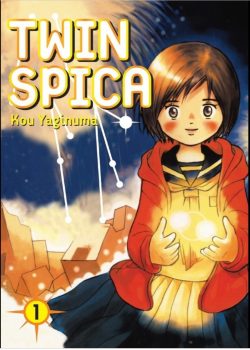
By Kou Yaginuma, translated by Maya Rosewood (Vertical)
ISBNs: 978-1-934287-84-2 (Tank?bon vol. 1), 978-1-939130-25-9 (vol. 1 Digital edition) & 978-1-934287-86-6 (Tank?bon vol. 2) 978-1-939130-26-6 (vol. 2 Digital edition)
It’s Bonfire Night in Britain and these are the only fireworks – other than the verbal and online political rockets still “bursting in air” across the pond today – that me and the cat care about. Please think of pets, the nervous and all those who don’t care for bangs of any size or volume, and keep everybody safe and untroubled over the forthcoming pyrotechnic pandemonium. In fact, why not read some comics instead?
It’s long past time to revisit this astounding manga series and get a whole new generation (one not consisting of Arsehole Billionaires) all fired up about space again…
The mystery and imagination of space travel, so much a component of immediate post-World War II industrial society, revived and returned in all its resplendent wonder and glory for this manga series from Kou Yaginuma. He first stormed to public attention with the poignant short story ‘2015 Nen no Uchiage Hanabi’ (‘2015: Fireworks’, published in Comics Flapper magazine in June 2000) before turning the subject, themes and characters into a longer epic combining hard science and fiction with lyrical mysticism and traditional school days growth pangs.
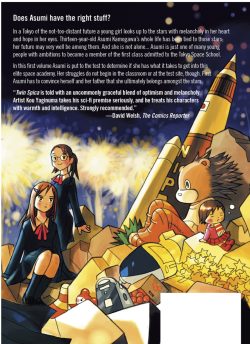
2024 AD: Asumi Kamogawa is a teenaged girl who has always dreamed of going into space. From her earliest moments the lonely child gazed up at the stars with her imaginary friend Mr. Lion, staring at the heavens, and especially at the twinkling, beguiling glow of Virgo and alluring binary star Spica. An isolated, serious child, Asumi lives with her father, a labourer who was once highly placed in the consortium which built the rockets for Japan’s Space Program.
Back in 2010, when Asumi was a year old, the first Japanese space launch ended in utter disaster when the ship designated Shishig? (“The Lion”) exploded and crashed to Earth on the city of Yuigahama. Hundreds of people were killed and injured, including Asumi’s mother. Maimed and comatose, she took years to die whilst the trauma broke her grieving husband and utterly traumatised their infant child. In response to the disaster Japan founded an astronaut and space sciences training school and as the first volume opens Asumi discusses with her imaginary friend the best way to tell her father that she has secretly taken the entrance exam.
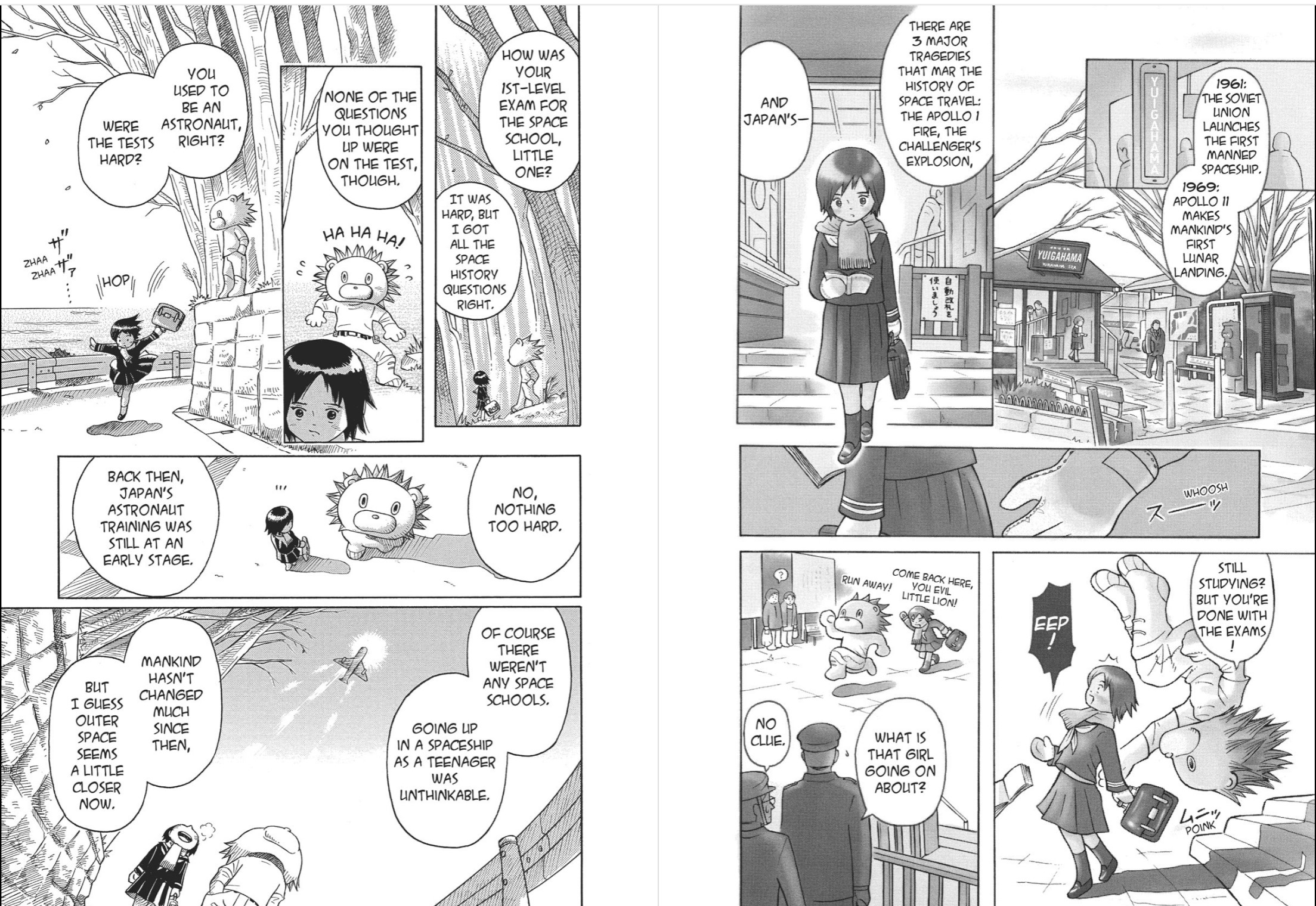
Tomoro Kamogawa is a no fan of the space program, having lost his wife, his engineering job and his pride to the quest for space. He has subsequently raised his daughter alone by working two – and often three – menial jobs at a time for over a decade. The problem is taken out of Asumi’s hands when he opens her results letter and sees that she has been accepted for the next intake for the Tokyo National Space School…
After initial resistance Tomoro surprises her by not only allowing Asumi to attend the school, but also by giving her all his savings to pay her expenses. Arriving in Tokyo, Asumi moves into the dilapidated campus dormitory with a few other students too poor to live in private lodgings. A further surprise comes when she discovers that Shinnosuke Fuchuya, the boy who teased and bullied her all through school, has also been accepted for the Astronaut course. When questioned, he grunts that he’d rather do anything other than run the family fireworks business…
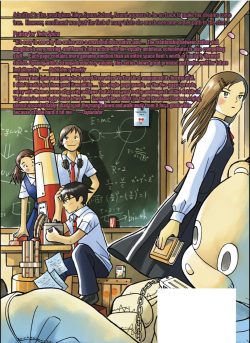
The training course is heavily over-subscribed, so candidates are winnowed out by spending the first week in an adaptability stress scenario: three to a room in complete isolation, taking a range of mental and physical tests to determine how they would cope with conditions similar to an extended stay in a space capsule. Tiny Asumi (only 4 feet, 8inches tall) is placed with jolly Kei Oumi and chilly, acerbic Marika Ukita whilst Fuchuya’s team is cursed with spooky, ultra-cool style-icon Shu Suzuki…
It quickly becomes clear that the tutors are being deliberately devious and their tests are designed to measure not just their survival capabilities but also an ability to get on in a crisis. As the week progresses, tempers fray and Asumi suffers a flashback to the aftermath of The Lion’s crash…
Only 13 teams make it through the introductory program. Moreover, even though she is a survivor, worse is to come for the young Asumi…
The first volume includes that painfully powerful, wistful graphic vignette ‘Fireworks: 2015’: first of a quintet of introductory stories Yaginuma produced for Seinen publication (older readers’ manga – mostly males aged 18-30) Comics Flapper. Asumi is a troubled little girl: always running away and even stealing the ashes of her mother, who has just died after years in a coma following the crash of a space vessel onto Yuigahama city. On her travels the little girl meets a man with a lion’s head, who seems to know her teacher Suzinari. Despite her deep concerns for Asumi, Suzinari has problems of her own. She still desperately misses her fiancé, who piloted The Lion and died in the tragic explosion 5 years previously…
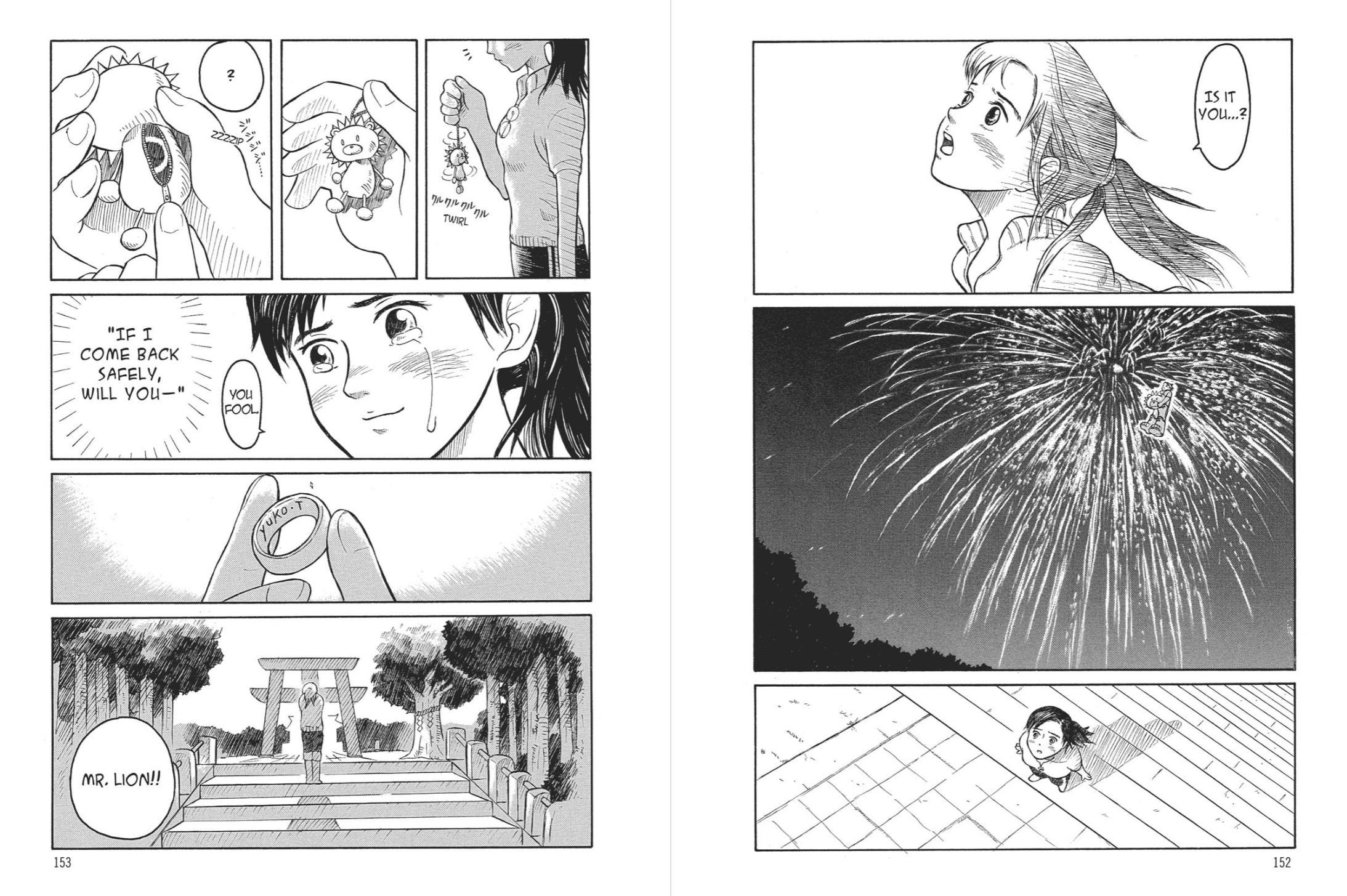
‘Asumi’ is another prequel, showing the miserable, melancholic period immediately following the disaster. Bullied in elementary school, the little stargazer runs away and gets lost in the wild woods before chief miscreant Fuchuya heroically saves her from drowning. Were the people Asumi met on the run simply hallucinations of an oxygen-starved brain or something far more meaningful and miraculous…?
The first book ends with spin-off vignette ‘Another Spica’ wherein wannabe manga artist Yaginuma works part-time on a soft-drink stand one Christmas and revolves around when he sees a little girl who twinkled like the stars accompanied by a man with a lion’s head…
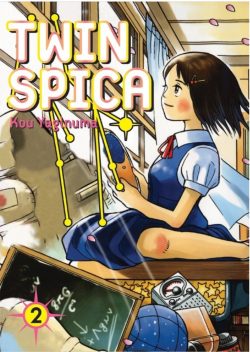
Twin Spica volume 2
The follow-up tome resumes reviewing space cadet Asumi as she adjusts to life in Tokyo: moving into women’s dorm “The Seagull”: making friends, starting classes and scraping by on her meagre funds. An assiduous student, she nevertheless endures unprovoked hostility from astrophysics lecturer Professor Sano. Unknown to her, Sano has bad history with her father and will seemingly do anything to crush her dreams…
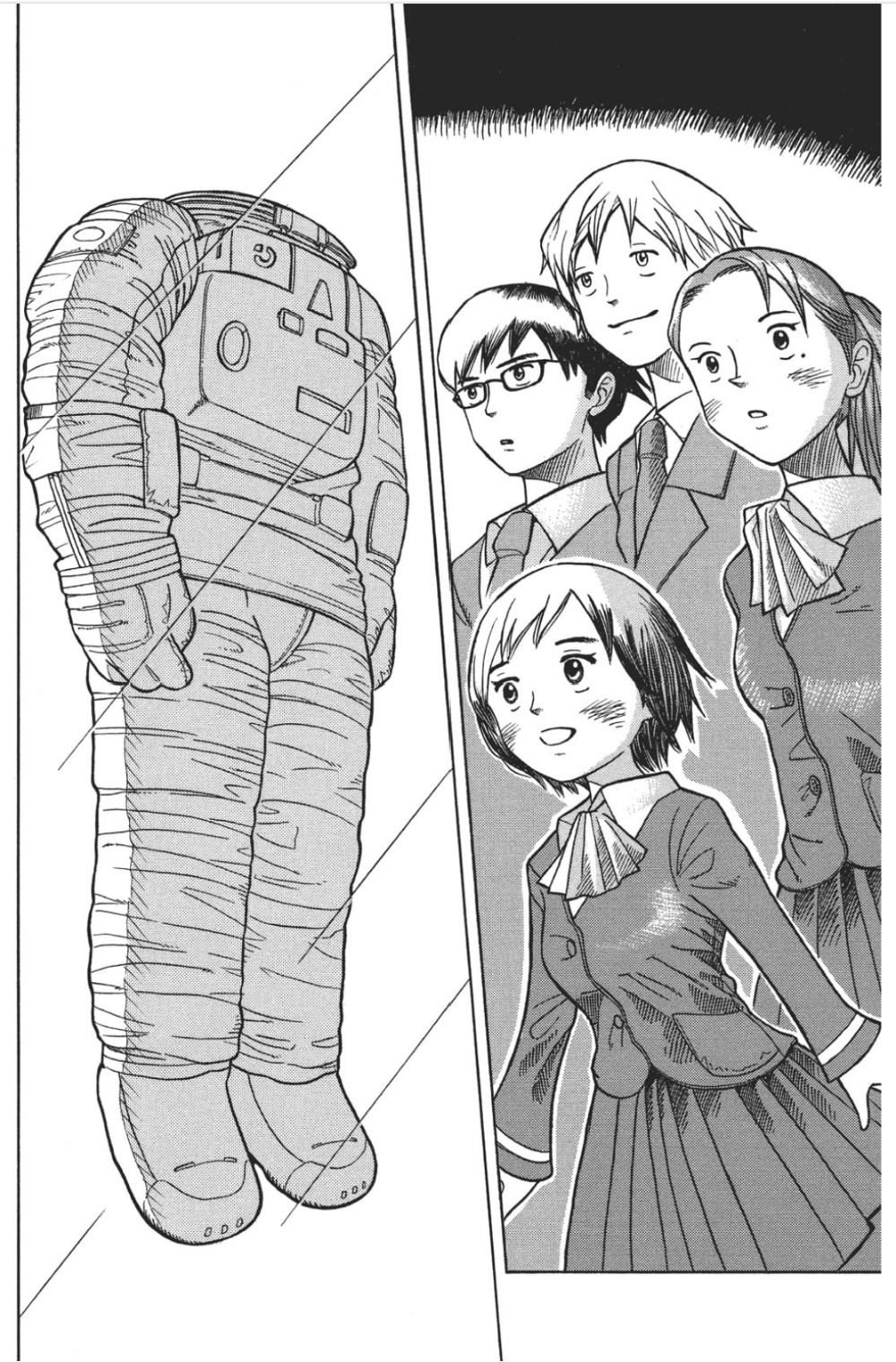
Asumi is far smaller than the other candidates and although determined to succeed in the arduous physical and mental training, incurs real problems in the swimming classes due to her near-drowning as a child. Moreover, her size means she will need a custom-made pressure suit; giving Sano opportunity to force her out by citing budget restrictions. When this doesn’t work, he steps up his campaign, really turning the screws on unsuspecting Asumi, before revealing a shocking secret about her father…
This volume also contains prequel stories of Asumi’s early life. ‘Campanella’s Forest‘ (referencing author Kenji Miyazawa’s novel Night on the Galactic Railroad) explores the past of the astronaut who piloted The Lion and highlights school teacher Suzinari’s relationship with him. Meanwhile, Asumi has got lost again and stumbled upon something wonderful in the woods…
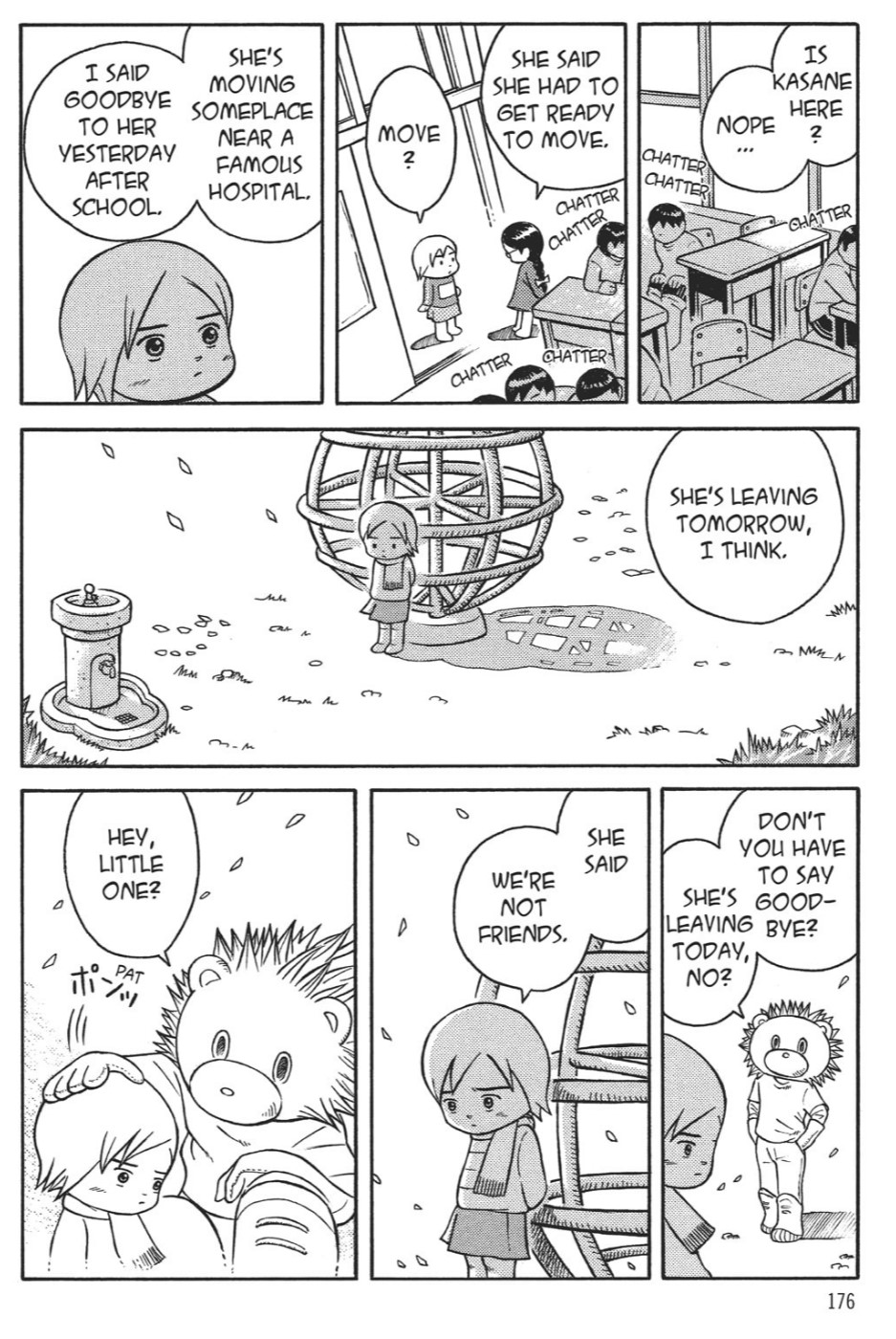
Tomoro Kamogawa is the tragic star of ‘Our Stars, Leaf Stars’. In the wake of the Lion disaster Asumi’s dad was assigned by the corporation who built the ship as head of the reparations committee. Guilt-wracked and himself bereaved, the devastated engineer had to visit and personally apologize to each and every survivor or victim’s grieving family… During this period, little Asumi found a new friend, another little girl forever scarred by the crash.
…And as always, faithfully attendant Mr. Lion looks sadly on…
The volume concludes with a second ‘Another Spica’ episode as our cartoonist relates that time he worked in a shopping mall and had to dress up in a monkey suit, just as that little girl and that lion-headed guy simply looked on and mocked…
The texts are also augmented by context- enhancing Notes on the Translation, should the gloriously fine and empathetic artwork and clearcut storytelling not be enough…
Twin Spica ran for eight enchanting years (September 2001 to August 2009): filling 16 volumes that captivatingly traced the trajectory of Asumi and her friends from starry-eyed students to fulltime astronauts. The saga spawned both anime and live action TV series, but this delightful comicbook epic has everything already: plenty of hard science to back up the savvy extrapolation; a believable, likable cast; enduring mystery; tender moments; isolation and teen angst and dawning true friendships, all wrapped up in a joyous coming-of-age drama with supernatural overtones and gobs of pure sentiment.
This tale reinvigorated the magical allure of the Wild Black Yonder for a new generation and is a treat no imagineer with head firmly in the clouds can afford to miss…
© 2010 by Kou Yaganuma/Media Factory. Translation © 2010 Vertical, Inc. All Rights Reserved.